Euphorbia canuti Care

About Euphorbia canuti

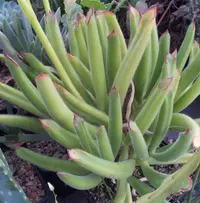
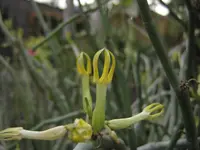
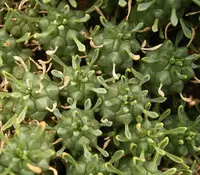
Euphorbia canuti is a small, shrubby succulent spurge known for its thick, often branching stems and small leaves that may appear seasonally. It forms a compact, architectural clump that suits collectors and growers who appreciate unusual drought-tolerant plants.

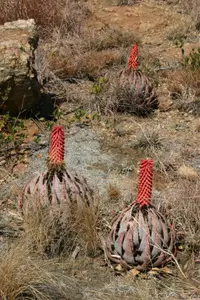
This species is believed to originate from dry, rocky habitats, where it survives strong light and lean, fast-draining soils. Its main challenge is sensitivity to excess moisture, which can quickly cause root problems under poorly drained or constantly wet conditions.

Those who want to know how to care for Euphorbia canuti should focus on bright light, sparse watering, and a gritty mineral mix. With stable warmth and good airflow, it is generally manageable for patient growers.

Main Plant Requirements

Care Difficulty

Moderate Care

Light Preference

Partial Sun

Water Requirements

Moderate Water

Temperature Preference

Warm Climate

Hardiness Zone

Unknown

Soil Texture

Loamy

Soil pH

Slightly acidic (6.5–7.0)

Soil Drainage

Well-drained

Fertilization

Minimal (feed rarely)

Get Personalized Care Plan

Scan your plant to receive care tips personalized for your specific plant

Available on iOS and Android

How to Care for the Euphorbia canuti

This drought-tolerant succulent prefers bright, mostly indirect light with limited harsh midday sun.

  • Provide 4–6 hours of direct morning sun with bright, filtered light the rest of the day, especially in hotter regions.
  • Tolerates light, dappled shade, but stems may stretch and lose compact form if light stays below about 3–4 hours of sun daily.
  • In summer, protect from intense afternoon sun to prevent scorch; in winter, choose the sunniest exposure available to support compact growth.

Watering should mimic arid conditions, allowing the soil to dry well between soakings.

  • Let the top 3–5 cm of soil dry completely before watering, then soak thoroughly so excess drains away from the root zone.
  • In spring and summer, expect to water more often during active growth; in cooler or low-light months, extend intervals and water sparingly.
  • Watch for shriveling stems as a sign of underwatering and soft, yellowing, or splitting stems as possible overwatering, and always use sharply drained, gritty soil.

This species prefers warm, stable conditions and is sensitive to frost.

  • Aim for 65–80°F (18–27°C) during active growth for steady development and reduced stress.
  • Protect from temperatures below 40°F (4°C); prolonged exposure near freezing or any frost can cause tissue damage or death.
  • Handles short heat spells up to about 95°F (35°C) if shaded from harsh sun and given slightly increased airflow and watering attention.

This species handles typical indoor humidity well and rarely needs special adjustments.

  • Target 30–50% humidity to match its native dry, airy conditions.
  • Dry household air is usually tolerated; prolonged levels below 25% can slow growth slightly.
  • Low humidity stress appears as dull, slightly shriveled stems; address this by improving light and watering correctly rather than misting.

This plant needs very fast-draining, mineral-rich soil to avoid root and stem rot.

  • Use a sandy, gritty mix such as 50–60% inorganic material (pumice, coarse perlite, or grit) with the rest cactus potting mix.
  • Aim for slightly acidic to neutral pH around 6.0–7.0, which supports nutrient availability without encouraging rot.
  • Improve aeration by avoiding fine peat-heavy substrates that compact and hold water around the roots.
  • Avoid dense, moisture-retentive garden soil or mixes with a lot of compost, which keep roots wet for too long and damage Euphorbia canuti.

This species is very suitable for container growing due to its compact, drought-tolerant root system.

  • Choose a pot that is wider than it is deep to accommodate shallow, spreading roots and improve stability.
  • Select unglazed terracotta if extra evaporation is needed in humid or cooler climates to reduce waterlogging risk.
  • Add a deep, coarse drainage layer only if the pot has slightly restricted holes, preventing fine particles from clogging exits and slowing runoff.

This species grows in lean soils and usually needs minimal feeding in garden settings.

Pruning is mainly corrective and for safety, as this Euphorbia has irritating sap.

  • Carry out light pruning in late winter or early spring before active growth resumes.
  • Remove dead, damaged, or crossing stems to maintain an open, balanced framework.
  • Use clean, sharp bypass pruners and wear gloves and eye protection due to the latex sap.
  • Shorten overly long shoots to control size, but avoid heavy cuts that can stress the plant.

Container-grown plants benefit from infrequent but careful transplanting to maintain root health.

  • Check for roots circling the pot, crowding drainage holes, or unexplained slow growth as signs to move Euphorbia canuti.
  • Plan to repot every 3–4 years in late spring, when active growth supports recovery.
  • Shift to a pot only 2–5 cm wider, using a very free-draining, gritty mix to prevent root rot.
  • Minimize root disturbance, keep the rootball slightly dry for a few days, then resume light watering to reduce stress.

Propagation is usually done by stem cuttings, with attention to sap handling and hygiene.

  • Take 7–10 cm semi-ripe stem cuttings in late spring or early summer using sterile tools.
  • Rinse off milky latex, then allow cut surfaces to dry and callus for 1–2 days before planting.
  • Insert cuttings into a coarse, fast-draining medium and keep slightly warm and barely moist.
  • Grow in bright, indirect light with good airflow to limit rot while roots establish over several weeks.

This plant prefers mild, dry winters and may need protection in colder climates.

  • In-ground plants in marginal zones benefit from a 5–8 cm layer of dry mulch around, but not touching, the crown.
  • Avoid winter wet by ensuring excellent drainage and slightly sloped planting sites.
  • Move container plants under cover or indoors before hard frost, providing bright, cool, dry conditions.
  • Do not cut back living stems in fall; wait until after winter to remove any frost-damaged growth.

Care Tips

Handle Sap Safely

Always wear gloves and avoid touching your face or eyes when pruning or repotting, as the milky latex is irritating and can cause skin or eye reactions.

Use Mineral Mulch

Top-dress the pot with a thin layer of coarse gravel or pumice to keep the stem base dry, reduce splash on the crown, and stabilize the plant in its container.

Rotate For Symmetry

Turn the pot 90° every 2–3 weeks so the plant receives light from different directions, which helps maintain even, upright growth instead of leaning strongly toward one side.

Targeted Pest Checks

Inspect closely where stems branch and along ribbed sections every few weeks, since mealybugs and scale often hide in these sheltered spots on Euphorbia species.

Cool-Season Rest

During late fall and winter, keep growth slow by combining a slightly cooler, brighter spot with reduced disturbance, which supports a stable rest period when growing Euphorbia canuti.

Common Pests and Diseases

Spider mites

This pest often appears on stressed, very dry plants and causes fine stippling, dulling, and webbing on stems and leaves. Symptoms include slow decline, yellowing patches, and a dusty appearance on the plant surface.

Solution

Rinse stems and any leaves under a firm, lukewarm water stream and repeat every few days, then allow the plant to dry quickly in bright, airy conditions. If mites persist, apply insecticidal soap or a neem-oil-based spray to all plant surfaces, keeping the plant slightly more humid and well watered but never waterlogged to reduce future outbreaks when caring for Euphorbia canuti.

Mealybugs

These insects hide in stem joints and roots, appearing as white cottony clumps and causing stunted growth and deformation of new tissue. This pest feeds on plant sap and excretes sticky honeydew that can lead to sooty mold.

Solution

Isolate the plant, then dab visible insects with cotton swabs dipped in 70% isopropyl alcohol and repeat weekly until no new clusters appear. For heavier infestations, use a systemic insecticide labeled for succulents or multiple applications of insecticidal soap, and check the root zone when repotting to remove any mealybugs in the soil mix.

Powdery mildew

This disease produces a white, powdery film on stems and any remaining leaves, especially under warm, stagnant air and high humidity. Symptoms include slowed growth and a generally weakened plant if not controlled early.

Solution

Improve airflow around the plant, avoid overhead watering, and keep it in bright, indirect light while allowing the soil to dry properly between waterings. Remove heavily affected tissue if practical and apply a sulfur-based or potassium bicarbonate fungicide labeled for ornamentals, repeating as directed until no new spots form.

Corking and sunscald

Symptoms include tan to brown, rough, corky patches on the sunny side of stems after sudden exposure to intense light or heat. This physiological disorder can be mistaken for disease but results from tissue damage rather than infection.

Solution

Move the plant gradually into higher light, increasing exposure over 7–10 days instead of changing conditions abruptly. Damaged tissue does not reverse but stabilizes if the plant is kept in stable bright light, protected from midday sun behind a sheer curtain or with light shade cloth outdoors.

Viral mosaic symptoms

This disease causes irregular mottling, streaking, or distortion of stems and any leaves, usually spreading slowly and often associated with prior insect activity or use of non-sterile cutting tools. Symptoms include persistent pattern changes that do not match simple nutrient issues or sun stress.

Solution

There is no cure, so the best approach is to isolate and monitor the plant, then discard it if symptoms worsen or spread to other Euphorbia specimens. Always disinfect cutting tools with alcohol between plants, control sap-sucking insects such as aphids and mealybugs, and avoid propagating from plants that show suspicious mosaic patterns.

Interesting Facts

Poorly documented species

Euphorbia canuti is a little-documented species within the large spurge genus, and reliable, peer‑reviewed information on its natural range, morphology, and ecology is currently very limited in mainstream scientific and horticultural literature.

Taxonomic uncertainty

Available references suggest that this species’ exact taxonomic position and relationships within Euphorbia are not fully clarified, and it may be subject to future revision as more herbarium material and molecular data become available.

Scarce horticultural use

Euphorbia canuti is rarely mentioned in horticultural sources and appears to have minimal use in mainstream ornamental trade, so most practical Euphorbia canuti plant care guidance is extrapolated from related species rather than from direct cultivation studies.

FAQs about Euphorbia canuti

Poor flowering usually comes from insufficient light, excessive nitrogen fertilization, or stress from recent repotting or pruning. Ensure stable conditions, a balanced fertilizer, and an appropriate cool, dry rest period if the species’ native climate suggests seasonal dormancy.

Grow Healthy Plants with Botan Care

Keep your plants happy and healthy with plant identification, disease detection, and easy care guidance.

Botan plant care app — identify plants on mobile

Explore More Plants