Bell Pigsear Care (Cotyledon campanulata)

Also known as: Dwarf Cotyledon
Bell Pigsear

About Bell Pigsear

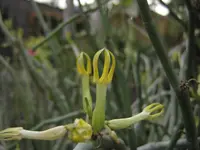
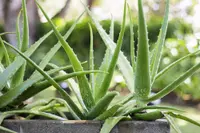
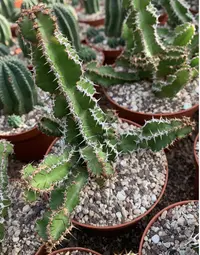
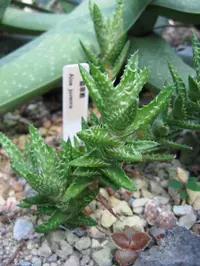
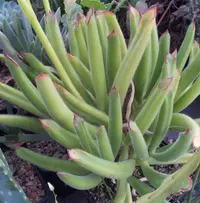
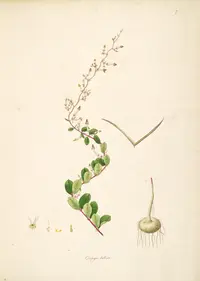
Bell pigsear (Cotyledon campanulata) is a compact, shrubby succulent known for its fleshy, spoon-shaped leaves and nodding, bell-like flowers on upright stems. It forms a tidy clump and usually stays relatively small, which suits containers and small garden spaces.

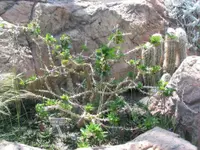
This species is native to arid regions of South Africa, where it grows in rocky, well-drained habitats with strong light and low rainfall. Its drought tolerance and slow to moderate growth rate make it suitable for growers who prefer low-maintenance plants.

Once its basic needs are understood, it is straightforward to care for Bell Pigsear, especially in bright, dry indoor or patio conditions with gritty, fast-draining soil.

Main Plant Requirements

Care Difficulty

Moderate Care

Light Preference

Full Sun

Water Requirements

Low Water

Temperature Preference

Tropical / Frost Sensitive

Hardiness Zone

10–11

Soil Texture

Sandy, Loamy, Rocky

Soil pH

Slightly acidic (6.5–7.0), Neutral (7.0)

Soil Drainage

Well-drained

Fertilization

Minimal (feed rarely)

Get Personalized Care Plan

Scan your plant to receive care tips personalized for your specific plant

Available on iOS and Android

How to Care for the Bell Pigsear

This succulent prefers bright, dry conditions with protection from harsh midday sun.

  • Provide 4–6 hours of direct morning sun, then bright filtered light or light shade in the afternoon to prevent scorched leaves.
  • Cotyledon campanulata tolerates light partial shade, but elongated, pale growth indicates insufficient light and the plant should be moved gradually to a brighter spot.
  • In very hot summers, especially in dry climates, give Bell Pigsear afternoon shade, while in winter ensure maximum sun exposure, such as a south-facing position.

This species stores moisture in its leaves and requires infrequent but thorough watering.

  • Allow the top 3–5 cm of soil to dry completely before watering, then soak the root zone and let excess water drain away fully.
  • During active growth in spring and early summer, expect to water more often, reducing frequency in late summer and very sparsely in winter dormancy.
  • Use a fast-draining, gritty soil and watch for signs of stress: soft, yellowing, translucent leaves suggest overwatering, while wrinkled, deflated leaves suggest underwatering for Cotyledon campanulata.

This succulent prefers warm, dry air and is sensitive to frost and prolonged damp cold.

  • Aim for daytime temperatures of 65–80°F (18–27°C) during active growth, with slightly cooler nights around 55–65°F (13–18°C).
  • Protect the plant from frost; growth stops below about 45°F (7°C), and damage occurs near 32°F (0°C) or with cold, wet soil.
  • In hot periods above 90°F (32°C), give afternoon shade and good airflow, and avoid overhead watering late in the day to reduce rot risk.

This succulent tolerates typical indoor humidity and does not need added moisture.

  • Aim for 30–50% air humidity, similar to most heated or air-conditioned homes.
  • Dry air is rarely harmful, but combined with heat it can speed leaf shriveling if watering is too infrequent.
  • If leaf tips wrinkle while soil stays moist, reduce drafts from vents or fans rather than adding humidifiers for Bell Pigsear.

Soil for this species must be very fast-draining and airy to prevent root rot.

  • Use a gritty mix such as 50–60% cactus mix blended with coarse sand, pumice, or perlite for Cotyledon campanulata.
  • Structure should be loose and granular, not compact, so roots receive plenty of oxygen between waterings.
  • Aim for slightly acidic to neutral pH (6.0–7.0), which most commercial cactus mixes naturally provide.
  • Avoid heavy, peat-dense or clay soils that stay wet; lighten them with extra mineral grit before planting.

This species grows very well in containers when drainage and stability are managed carefully.

  • Choose a pot only 2–3 cm wider than the root ball so the mix dries evenly between waterings.
  • Select a heavy terracotta or ceramic pot if stems become top-heavy, to reduce tipping outdoors.
  • Elevate the pot on feet or a stand so water drains freely from the holes and does not reabsorb from saucers.

This succulent has modest nutrient needs, but light feeding supports healthy growth when caring for Bell Pigsear.

  • Use a balanced liquid fertilizer (around 10-10-10 or 20-20-20) diluted to 25–50% strength for container plants.
  • Feed every 4–6 weeks during the active growing season in spring and summer only.
  • Avoid high-nitrogen lawn or houseplant formulas that encourage weak, soft growth.
  • Stop feeding in fall and winter when growth slows and soil stays cooler.

Pruning Cotyledon campanulata is mainly cosmetic and keeps the plant compact and tidy.

  • Carry out light pruning in late winter or early spring before strong new growth starts.
  • Remove dead, shriveled, or damaged stems and any leggy, stretched shoots to improve shape.
  • Thin crowded branches slightly to increase airflow and light penetration into the center of the plant.
  • Use clean, sharp scissors or pruning snips and let cut surfaces dry and callus to reduce rot risk.

This species grows slowly and prefers infrequent repotting in a stable, well-drained container environment.

  • Check for roots circling the pot drainage holes, soil drying extremely fast, or slowed growth as signs repotting is needed.
  • Plan to repot every 2–3 years in late winter or early spring, just before vigorous growth resumes.
  • Choose a pot only 2–5 cm wider with drainage holes and use a gritty cactus–succulent mix to limit root rot.
  • Gently loosen the root ball, remove old compacted soil, and water lightly after repotting to reduce stress.

This succulent is most often propagated from stem or leaf cuttings rather than by seed in home settings.

  • Take healthy stem or large leaf cuttings in late spring or early summer when growth is active.
  • Allow cuttings to dry and form a callus for 3–7 days in a warm, shaded place before planting.
  • Place cut ends into a barely moist, gritty cactus mix and keep at 70–80°F with bright, indirect light.
  • Water sparingly until roots develop, then gradually increase light and shift to normal care once growth appears.

This succulent is frost sensitive and needs protection in regions with cold winters or freezing nights.

  • Keep outdoor plants in zones with mild winters; avoid exposure below about 30°F for extended periods.
  • Move container plants indoors to a bright, cool, dry spot before the first hard frost.
  • Reduce watering sharply in winter so soil dries well between waterings and roots do not sit in cold moisture.
  • In mild climates, a light gravel mulch around the base improves drainage and insulates the root zone.

Care Tips

Seasonal light shift

Move the plant slightly farther from intense windows in summer and closer in winter to prevent leaf scorch while maintaining compact growth and flowering potential.

Targeted stem support

For heavy, top-leaning flowering stems, insert a slim, rust-proof stake just outside the root zone and loosely tie stems with a soft tie to prevent breakage without restricting natural movement.

Rotating for symmetry

Rotate the pot 90° every 2–3 weeks so all sides receive similar light, which helps maintain an even rosette shape and prevents the plant from stretching strongly in one direction.

Dry-air pest management

Check leaf undersides and stem joints every month, especially in dry indoor air, and remove early mealybug or scale with a cotton swab dipped in 70% isopropyl alcohol before infestations build up.

Dormancy adjustment

If growth slows and leaves thicken and harden, reduce watering frequency and stop repotting or propagating during this semi-dormant phase, then resume normal care when new soft growth appears, which supports healthier long-term growing Bell Pigsear.

Common Pests and Diseases

Mealybugs

This pest commonly hides in leaf axils and along stems, sucking sap and causing leaf yellowing, distortion, and sticky honeydew. Symptoms include slowed growth and a cottony buildup on sheltered parts of the plant.

Solution

Isolate the plant, then dab visible insects with cotton swabs dipped in 70% isopropyl alcohol and gently wipe away the cottony masses. Repeat weekly until no new insects appear and improve air movement and light levels, as healthier plants resist mealybug infestations better.

Aphids

These insects feed on tender new growth and flower stalks, leading to curling leaves, misshapen shoots, and honeydew that can encourage sooty mold. Colonies often cluster on the undersides of young leaves and at growing tips.

Solution

Rinse the plant thoroughly with a strong but gentle stream of water to dislodge insects, then apply insecticidal soap or a dilute neem oil spray to all leaf surfaces, including undersides. Repeat every 5–7 days for several cycles and avoid overfertilizing, which promotes the soft growth aphids prefer.

Soft scale

This pest appears as small, rounded or oval bumps fixed to stems and leaf midribs, feeding on sap and weakening the plant over time. Symptoms include sticky honeydew, yellowing foliage, and gradual decline in vigor.

Solution

Scrape or gently pry off individual scale with a fingernail or soft tool, then wipe stems with a cloth lightly moistened with 70% isopropyl alcohol. For persistent infestations, follow with several rounds of horticultural oil spray, thoroughly coating stems and leaf bases while keeping the plant in bright, indirect light during treatment.

Powdery mildew

This disease can develop on crowded or poorly ventilated plants, producing white, powdery patches on leaves and sometimes stems. Symptoms include dull, distorted foliage and premature leaf drop if not managed.

Solution

Increase air circulation and avoid overhead watering so leaves dry quickly, then remove the most heavily affected leaves and discard them. Treat the remaining foliage with a sulfur-based fungicide or a potassium bicarbonate spray, applying according to label directions until new growth appears clean, which supports good Cotyledon campanulata plant care.

Leaf spot

This disease shows as small tan, brown, or dark spots on leaves that can merge into larger patches, especially in humid or poorly ventilated conditions. Symptoms include cosmetic damage at first, but severe cases can lead to leaf yellowing and drop.

Solution

Remove and discard affected leaves promptly and keep foliage dry by watering at the soil level rather than from above. Improve airflow around the plant and, if spots continue to spread, apply a copper-based fungicide lightly to both upper and lower leaf surfaces, following label guidance and avoiding repeated unnecessary applications.

Interesting Facts

Bell-shaped leaf rosettes

This species forms compact rosettes of thick, bell-shaped leaves that hang slightly downward, a growth form that helps limit direct sun exposure on the leaf surface in its bright native habitats.

Seasonal flowering pattern

It produces tubular, pendulous flowers in loose clusters mainly in the warmer months, providing nectar for pollinating insects adapted to dry, rocky environments in South Africa.

Powdery leaf coating

The leaves carry a fine, waxy bloom called epicuticular wax, which reduces water loss and reflects intense sunlight, an adaptation typical of succulents from arid regions.

FAQs about Bell Pigsear

Lack of flowering usually relates to insufficient light, excessive nitrogen fertilizer, or the plant being too young. Cool, bright, dry winter conditions help set buds. Avoid frequent repotting, which can divert energy into roots and foliage instead of flowers.

Grow Healthy Plants with Botan Care

Keep your plants happy and healthy with plant identification, disease detection, and easy care guidance.

Botan plant care app — identify plants on mobile

Explore More Plants