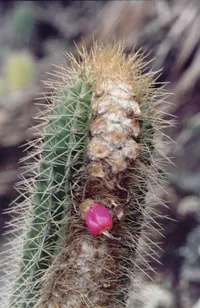
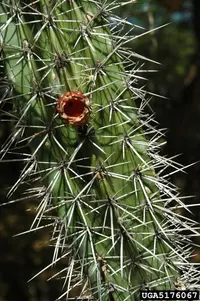
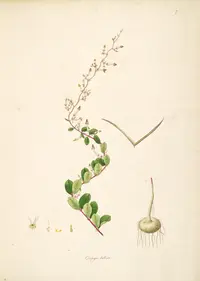
heartleaf sandmat Care (Euphorbia cordifolia)

heartleaf sandmat

About heartleaf sandmat

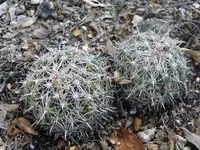
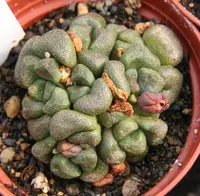
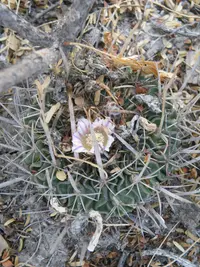
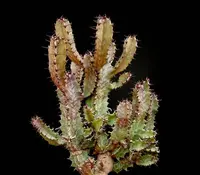
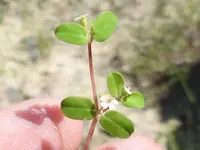
Heartleaf sandmat (Euphorbia cordifolia) is a small, low-growing euphorbia known for its compact, mat-forming habit and rounded, heart-shaped leaves. It often develops a dense, ground-hugging carpet of foliage with small, understated flowers.

This species is native to dry, rocky or sandy habitats, where it copes well with sun, heat, and limited water. Its drought tolerance and modest size make it a candidate for rock gardens, xeriscapes, or containers in warm regions.

Understanding how to care for heartleaf sandmat starts with providing bright light, very well-drained soil, and careful watering that avoids prolonged wetness around the roots.

Main Plant Requirements

Care Difficulty

Moderate Care

Light Preference

Full Sun

Water Requirements

Low Water

Temperature Preference

Warm Climate

Hardiness Zone

9–11

Soil Texture

Sandy, Loamy, Rocky

Soil pH

Slightly acidic (6.5–7.0), Neutral (7.0)

Soil Drainage

Well-drained

Fertilization

Minimal (feed rarely)

Get Personalized Care Plan

Scan your plant to receive care tips personalized for your specific plant

Available on iOS and Android

How to Care for the heartleaf sandmat

This sun-loving Euphorbia performs best with bright, mostly direct light in warm climates.

  • Provide 4–6 hours of direct morning sun with light afternoon shade; in coastal areas it can handle sun most of the day.
  • Heartleaf sandmat tolerates light or dappled shade, but growth becomes looser and flowering decreases if it receives under 3–4 hours of direct light.
  • In very intense summer sun, especially above 90°F (32°C), protect from harsh midafternoon exposure to reduce leaf scorch and excessive drying.

This drought-tolerant species prefers infrequent, deep watering and fast-draining soil.

  • Allow the top 3–5 cm of soil to dry fully before watering; in sandy ground this often means longer gaps between waterings than in heavier soil.
  • During hot, active growth, water when stems begin to look slightly less plump; in cooler months, reduce watering sharply and only irrigate to prevent shriveling.
  • Ensure sharply drained soil or raised beds; yellowing, mushy stems or a sour smell around the roots indicate overwatering and possible rot in Euphorbia cordifolia.

This species thrives in warm, arid conditions and dislikes frost or prolonged cold.

  • Aim for 70–90°F (21–32°C) for strongest growth, with good air movement to reduce fungal problems.
  • It tolerates brief dips to about 30–32°F (-1–0°C) if dry, but repeated frosts can scar or kill tender growth, especially young plants.
  • In heat above 95°F (35°C), it copes well if soil is very free-draining; light afternoon shade and slightly increased watering help prevent stress.

This species handles typical indoor humidity well and rarely needs special moisture in the air.

  • Target 30–50% relative humidity; it remains comfortable in most heated or air-conditioned homes.
  • Dry air is usually tolerated, but extreme drafts from heaters can increase water loss and cause slight leaf curl in heartleaf sandmat.
  • If edges brown or foliage shrivels despite correct watering, raise humidity slightly with a nearby pebble tray rather than misting.

Use a sharply draining, gritty mix that dries quickly around the roots.

  • Choose a sandy or gritty substrate with a loose, open structure to prevent water from lingering around Euphorbia cordifolia roots.
  • Aim for slightly acidic to neutral pH, around 6.0–7.0, which suits most general-purpose cactus and succulent mixes.
  • Blend 2 parts cactus mix with 1 part coarse sand or fine gravel and 1 part perlite or pumice to improve drainage and aeration.
  • Avoid heavy clay, peat-dominant, or compacted mixes that stay wet, as these conditions quickly lead to root and stem rot.

This species is well suited to container growing due to its compact, drought-tolerant root system.

  • Select a wide, shallow pot to match the relatively shallow roots and limit water pooling in deep soil columns.
  • Use heavy terracotta or a weighted base if the plant sprawls, to keep the container stable and prevent tipping.
  • Choose a pot material that breathes, such as unglazed clay, to help excess moisture evaporate between waterings.

Euphorbia cordifolia grows well in lean soil and needs only light feeding for healthy growth.

  • Use a balanced, low-strength liquid fertilizer at 1/4–1/2 label rate during the active growing season.
  • Apply every 4–6 weeks in spring and summer, always onto moist soil to reduce root burn risk.
  • Do not fertilize in winter or dormancy; excess nutrients can cause weak, leggy growth.
  • For caring for heartleaf sandmat in the ground, a thin layer of compost in spring is usually sufficient.

Euphorbia cordifolia benefits from occasional light pruning to maintain shape and remove stressed growth.

  • Schedule pruning for late winter or early spring, before strong new growth starts.
  • Use clean, sharp hand pruners to cut out dead, damaged, or diseased stems at the base.
  • Thin crowded or crossing shoots to improve air flow and keep a compact, balanced form.
  • Avoid heavy cutting into old woody tissue, and wear gloves to avoid contact with the milky sap.

This species is usually planted in the ground, but container plants or young specimens may need infrequent transplanting.

  • Look for roots circling the pot, water running straight through, or slowed growth as signals to move up a size.
  • Plan repotting or transplanting in spring, allowing the plant a full warm season to re-establish.
  • Expect to repot containers about every 2–3 years into a slightly larger pot with fast-draining, gritty soil.
  • Handle the root ball gently, keep roots shaded, water lightly after planting, and avoid heavy feeding for 2–3 weeks to limit stress.

This plant is commonly propagated from stem cuttings and sometimes from seed under warm, bright conditions.

  • Take non-flowering stem cuttings in late spring or early summer, using a clean, sharp blade.
  • Allow cut ends to dry and callus for 1–2 days, then place in a very well-drained, slightly moist mix.
  • Keep cuttings in bright, indirect light at 70–80°F, with good air circulation to prevent rot.
  • Sow seeds on the surface of gritty mix, barely cover, and maintain gentle warmth until germination.

Euphorbia cordifolia is not very frost tolerant and benefits from simple winter protection in cooler climates.

  • In regions with frost, grow Euphorbia cordifolia in containers that can be moved indoors before temperatures drop below 40°F.
  • Outdoors in mild climates, apply a 5–8 cm dry mulch around the root zone, keeping it off the stems.
  • Provide a bright, cool indoor spot with minimal watering in winter, allowing the soil to dry well between waterings.

Care Tips

Handle Sap Safely

Wear gloves and avoid touching your face when pruning or repotting, as the milky latex sap can irritate skin and eyes and should be washed off immediately with plenty of water if contact occurs.

Encourage Compact Form

Pinch back soft stem tips lightly in early spring to promote branching and a denser, more compact plant rather than long, weak shoots.

Rotate For Even Growth

Turn the pot 90° every 2–3 weeks so all sides receive similar light, which keeps the plant balanced and reduces leaning or one-sided growth.

Prevent Root Disturbance

When repotting, move the plant only one pot size up and keep the root ball as intact as possible, since rough handling of the brittle roots can slow recovery and growth.

Monitor For Mealybugs

Inspect stem joints and leaf undersides monthly for white, cottony clusters, and if found, isolate the plant and wipe affected areas with a cotton swab dipped in 70% isopropyl alcohol to prevent a larger infestation while caring for heartleaf sandmat.

Common Pests and Diseases

Spider mites

This pest often appears on Euphorbia species grown in warm, dry indoor or greenhouse conditions, causing fine stippling and dull, dusty-looking foliage. Symptoms include very fine webbing on stems and along leaf undersides, with leaves gradually yellowing and dropping.

Solution

Rinse stems and leaf surfaces thoroughly with a strong but controlled stream of lukewarm water, then increase humidity around the plant and improve air movement. For persistent infestations, use repeated applications of insecticidal soap or horticultural oil, ensuring good coverage of leaf undersides while keeping the plant out of strong sun during treatment.

Mealybugs

These insects hide in stem joints and along ribs, producing white, cotton-like masses and sucking sap from Euphorbia tissues. Symptoms include sticky honeydew, weak new growth, and distorted or yellowing stems and leaves.

Solution

Remove visible clusters with a cotton swab dipped in 70% isopropyl alcohol, then wash the plant gently to dislodge remaining insects. Isolate the plant and repeat alcohol spot treatments or use insecticidal soap every 7–10 days until no new mealybugs appear, monitoring closely around nodes and hidden crevices as part of routine Euphorbia cordifolia plant care.

Scale insects

This pest forms small, hard, brown or tan bumps on stems and leaf midribs, often blending with the plant’s surface. Symptoms include gradual decline, stunted growth, and sticky honeydew that can lead to sooty mold on nearby surfaces.

Solution

Gently scrape or lift off individual scales with a fingernail or soft brush, then wipe affected areas with a cloth lightly moistened with 70% isopropyl alcohol. Follow with several rounds of horticultural oil or insecticidal soap at 10–14 day intervals, focusing on stems and undersides of leaves, and keep the plant separated from others during control.

Powdery mildew

This disease can develop in Euphorbia collections kept in humid air with poor airflow, producing white, powdery patches on leaf surfaces. Symptoms include dull, grayish foliage, distorted new growth, and premature leaf drop if the infection becomes heavy.

Solution

Improve air circulation, avoid overhead watering, and promptly remove heavily affected leaves to reduce spore load. In early stages, treat with a sulfur-based fungicide or a bicarbonate-based product labeled for powdery mildew, applying in thin, even coats and repeating as directed until new growth emerges clean.

Stem canker

This disease appears as sunken, darkened lesions on stems that may ooze slightly and cause sections of the plant to shrivel and collapse above the affected area. Symptoms include localized stem softening, cracking, and eventual dieback if infection spreads around the stem circumference.

Solution

Cut out affected stem sections well below the visible lesion with a sterile, sharp blade, then discard infected material and sterilize tools between cuts. Keep the plant in a bright, airy position, avoid wetting stems when watering, and allow the substrate surface to dry between waterings to limit further infection and encourage healthy regrowth.

Interesting Facts

Latex sap defense

This species produces a milky latex sap typical of spurges, which quickly seals wounds and deters many herbivores due to its irritant chemistry.

Heart-shaped leaf trait

The specific epithet cordifolia means heart-leaved and refers to its characteristically heart-shaped foliage, a key feature used by botanists to distinguish it from closely related species.

Dry habitat adaptation

It is naturally associated with relatively dry, open habitats, where its growth form and water-conserving tissues help it tolerate periodic drought and intense sunlight.

FAQs about heartleaf sandmat

Sparse or absent flowering often comes from insufficient light, excess nitrogen fertilizer, or stress from recent repotting or pruning. Ensure bright conditions, moderate feeding, and stable care; flowers are naturally small and can be easy to overlook.

Grow Healthy Plants with Botan Care

Keep your plants happy and healthy with plant identification, disease detection, and easy care guidance.

Botan plant care app — identify plants on mobile

Explore More Plants