Furcraea cabuya Care

Furcraea cabuya

About Furcraea cabuya

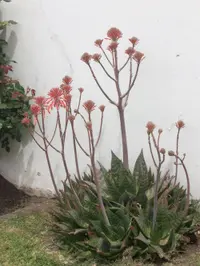
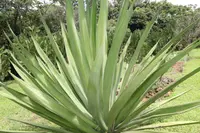
Furcraea cabuya is a large, rosette-forming succulent traditionally grown as a fiber plant and ornamental accent. It develops long, stiff, sword-shaped leaves that can form an impressive architectural clump over time.

This species is native to highland regions of South America and is now cultivated in warm, frost-free areas worldwide. It is slow to flower but produces a tall flowering stalk when mature.

The plant is generally drought tolerant and prefers strong light, good drainage, and relatively poor, sandy or rocky soil. Understanding how to care for Furcraea cabuya mainly involves controlling moisture and giving it enough space to develop safely.

Main Plant Requirements

Care Difficulty

Easy Care

Light Preference

Full Sun

Water Requirements

Low Water

Temperature Preference

Warm Climate

Hardiness Zone

9–11

Soil Texture

Sandy, Loamy, Rocky

Soil pH

Slightly acidic (6.5–7.0), Neutral (7.0)

Soil Drainage

Well-drained

Fertilization

Minimal (feed rarely)

Get Personalized Care Plan

Scan your plant to receive care tips personalized for your specific plant

Available on iOS and Android

How to Care for the Furcraea cabuya

This species prefers strong light and thrives in open, exposed sites.

  • Provide 6–10 hours of direct sun daily; full sun suits mature Furcraea cabuya in dry, well-drained ground.
  • Allow light partial shade in very hot regions, especially from intense afternoon sun, to reduce leaf scorch and bleaching.
  • In cooler months, maximize sun exposure by avoiding shade from buildings or trees, as low winter light can slow growth and produce weak, elongated leaves.

This plant is highly drought-tolerant and prefers infrequent, deep watering.

  • Allow soil to dry at least in the top 5–8 cm before watering, then soak thoroughly so water drains freely away from the roots.
  • In warm, active growth periods, water when leaves start to lose slight firmness; in cooler seasons, reduce watering to prevent root rot.
  • Watch for pale, soft leaves or a sulfur smell in soil as signs of overwatering, and crisp leaf tips or folding leaves as signs of underwatering.

This species prefers warm, arid to semi-arid conditions with minimal cold stress.

  • Aim for 65–85°F (18–29°C) for best growth, with steady warmth and strong light during the growing season.
  • Protect from frost; avoid exposure below 30°F (-1°C), since repeated or hard freezes can damage or kill the rosette.
  • In hot climates, it tolerates up to 100°F (38°C) if soil drains very well, but provide some airflow to limit heat buildup around the crown.

This species tolerates typical indoor humidity and does not need extra moisture control.

This succulent prefers sharply drained, mineral-rich soil to prevent root rot.

  • Use a gritty mix such as 50% cactus potting mix with 50% coarse sand, pumice, or fine gravel.
  • Aim for slightly acidic to neutral pH around 6.0–7.0, avoiding strongly acidic or alkaline substrates.
  • Ensure water runs through quickly and the pot never holds standing water, especially in cool conditions.
  • Avoid dense clay, peat-heavy, or compacted mixes that stay wet and limit root aeration for Furcraea cabuya.

This species is suitable for container growing, especially in cooler climates or small spaces.

  • Choose a wide, heavy container to counterbalance the tall, top-heavy rosette and prevent tipping in wind.
  • Select thick-walled clay or concrete pots to reduce moisture retention and keep roots slightly drier.
  • Leave a 2–4 in gap between the rosette base and pot rim so stiff leaves do not press against or damage the container edge.

This drought-tolerant succulent needs only light feeding to support slow, steady growth.

  • Use a balanced, low-nitrogen succulent fertilizer or diluted 10-10-10 during the warm growing season.
  • Feed Furcraea cabuya every 6–8 weeks from late spring to late summer if growth is active.
  • Apply at 1/2–1/4 strength on already moist soil to avoid root burn.
  • Stop feeding in fall and winter when growth slows, especially in cooler indoor conditions.

Pruning focuses on safety and cleanliness rather than shaping this structural succulent.

  • In late winter or early spring, remove dead, dried, or damaged leaves at the base using clean, sharp pruners.
  • Cut back broken or diseased tissue promptly to limit rot and maintain plant health.
  • Thin out crowded, ground-touching leaves if they trap debris or pests, preserving the plant’s natural rosette form.
  • Wear sturdy gloves and handle carefully, as Furcraea cabuya leaves can be sharp and heavy.

This large, slow-growing succulent is usually transplanted infrequently due to its eventual size and long lifespan.

  • Plan transplanting for late spring or early summer when temperatures are stable and growth is starting.
  • Look for roots circling the pot, bulging containers, or very slow growth as signs it has outgrown the space.
  • Move to a container or ground site only 1 size larger, using sharply draining, gritty soil to limit waterlogging.
  • Handle the root ball gently, keep roots shaded and slightly moist during the move, and water lightly afterward to reduce transplant shock in Furcraea cabuya.

Propagation is typically done from offsets or bulbils, which form naturally on mature plants.

  • Detach offsets or bulbils in late spring or early summer once they are firm and show small roots.
  • Allow cut surfaces to dry and callus for 2–3 days before planting in a gritty, free-draining mix.
  • Set pieces shallowly, keep in bright, indirect light, and water sparingly until firm rooting occurs.
  • Seed propagation is possible but slow; sow fresh seed on the surface of a sandy mix and keep just slightly moist.

Cold sensitivity means this species needs thoughtful winter handling in most temperate climates.

  • Furcraea cabuya is damaged by hard frost; avoid exposure below about 28–30°F where possible.
  • In-ground plants benefit from a dry, gritty soil and a 5–8 cm gravel mulch to insulate the root zone.
  • For expected freezes, wrap the rosette loosely with breathable frost cloth to limit leaf damage.
  • Move container plants under cover or indoors to a bright, cool, dry place before sustained cold arrives.

Care Tips

Container weight planning

Use a wide, heavy container or add stones to the pot base to counterbalance the rosette’s top weight and reduce the risk of the plant tipping as it gains size.

Safe handling routine

Handle the plant with sturdy gloves and long sleeves, and use tongs or a folded towel to move leaves during repotting or cleanup to avoid skin irritation from sap and sharp leaf margins.

Controlled pup removal

Detach offsets with a clean, sharp knife only when they have several strong roots, then allow the cut surfaces to dry for 2–3 days before replanting to reduce rot risk when you grow Furcraea cabuya.

Salt and wind tolerance

In coastal or exposed sites, position plants where they receive airflow but are slightly shielded from the strongest prevailing winds to prevent leaf tearing while still taking advantage of their salt tolerance.

Rock mulch strategy

Apply a thin layer of coarse gravel or small rocks around the base instead of organic mulch to keep the crown dry, discourage weeds, and maintain the arid conditions this species prefers.

Common Pests and Diseases

Agave weevil

This pest bores into the base of the rosette and crown, causing collapse of leaves and internal tissue decay. Symptoms include wilting, yellowing, and a foul smell from the plant core.

Solution

Remove and destroy heavily infested plants, including roots, to prevent spread. For nearby plants, inspect the crown regularly, remove any soft or damaged tissue, and use a systemic insecticide labeled for agave weevils in spring as a preventative treatment around the base and in the soil.

Scale insects

These insects attach to leaves and stems, sucking sap and causing yellow patches, reduced vigor, and sticky honeydew that can lead to sooty mold. Infestations often appear as small, tan or brown bumps along leaf margins and midribs.

Solution

Physically remove scales with a cotton swab dipped in alcohol or by gently scrubbing with a soft brush and soapy water, then rinse well. For persistent problems, apply a horticultural oil or insecticidal soap thoroughly to leaf surfaces, repeating at 7–14 day intervals until new growth is clean as part of general Furcraea cabuya care.

Aloe mite (eriophyid mite)

This pest causes distorted, swollen, or blistered growth, especially near the leaf bases and developing shoots. Symptoms include abnormal galls and rough, corky areas on leaves.

Solution

Cut out and discard all affected tissue well below visible damage, and dispose of it in the trash, not compost. If distortion returns, remove the entire plant to protect nearby succulents, and avoid overhead watering and crowding to reduce mite spread.

Leaf spot

This disease produces small, brown to black lesions on leaves that may expand and form dry, sunken patches. Symptoms include cosmetic damage and, in severe cases, premature leaf dieback from the tips inward.

Solution

Trim and discard affected leaves or leaf sections, cutting back into healthy tissue, and keep the plant in a dry, well-ventilated position. Avoid overhead watering, keep leaves dry whenever possible, and if the problem persists in outdoor plantings, use a copper-based fungicide labeled for ornamental succulents according to the product directions.

Bacterial soft rot

This disease leads to rapid softening and water-soaked areas at the base or within the rosette, often with a strong unpleasant odor. Symptoms include plant collapse and slimy, discolored tissue inside the crown or along the stem base.

Solution

Immediately remove and dispose of affected plants and any surrounding contaminated debris to prevent spread. Improve drainage, avoid water collecting in the rosette, and sterilize cutting tools between plants; in container specimens, discard the old soil and replant only healthy offsets in fresh, well-draining mix.

Interesting Facts

Traditional cabuya fiber

Furcraea cabuya has long been cultivated in the northern Andes for its strong leaf fibers, known locally as cabuya, which are traditionally processed into ropes, sacks, and coarse textiles.

Once-in-a-lifetime flowering

This species is monocarpic, meaning the rosette flowers only once after many years of vegetative growth, then dies after sending up a tall flowering stalk with many greenish-white blooms.

Plantlets on flower stalk

After flowering, the inflorescence often produces numerous bulbils, or tiny plantlets, along the spent flower stalk, which can drop to the ground and root, helping the species spread vegetatively in suitable climates.

Botan icon

Did you know?

In some Andean regions, cabuya plantations of Furcraea cabuya historically played a similar economic role to sisal plantations elsewhere, forming a local fiber industry used for agricultural twines, coffee sacks, and other utilitarian products before synthetic fibers became widespread.

FAQs about Furcraea cabuya

Yellowing usually comes from excess moisture around the roots, poor drainage, or prolonged cold. Check that the pot or planting site drains freely, reduce watering, and inspect roots for rot or damage, trimming any mushy sections.

Grow Healthy Plants with Botan Care

Keep your plants happy and healthy with plant identification, disease detection, and easy care guidance.

Botan plant care app — identify plants on mobile

Explore More Plants