Encourage Compact Color
Pinch back overly long stems in late spring to keep the plant low, full, and encourage stronger red coloration on new growth.

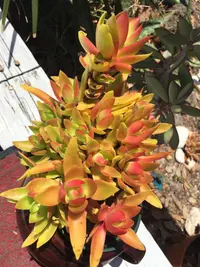
Crassula capitella 'Campfire' is a compact, low-growing succulent known for its bright lime green leaves that turn vivid orange-red in strong light. It forms dense, trailing mats or mounded clumps, making it suitable for containers, rock gardens, and hanging planters.
This species comes from South Africa, where it grows in sunny, dry habitats with well-drained, gritty soil. Its drought tolerance and relatively slow growth make it manageable for beginners who want to learn how to care for Crassula capitella 'Campfire'.
The plant thrives with plenty of light, minimal watering, and good air circulation, which helps prevent rot and maintains its strong color.

Care Difficulty
Easy Care

Light Preference
Full Sun

Water Requirements
Low Water

Temperature Preference
Tropical / Frost Sensitive

Hardiness Zone
10–11

Soil Texture
Sandy, Loamy, Rocky

Soil pH
Slightly acidic (6.5–7.0), Neutral (7.0)

Soil Drainage
Well-drained

Fertilization
Minimal (feed rarely)
Scan your plant to receive care tips personalized for your specific plant
Available on iOS and Android
This sun-loving succulent needs strong light to maintain its compact shape and red coloring.
This plant prefers infrequent, deep watering that allows the roots to dry between soakings.
Consistent warmth supports compact growth and healthy foliage color.
This succulent handles typical indoor humidity well and rarely needs special adjustment.
Use a very fast-draining, mineral-based mix to keep roots of this succulent dry between waterings.
This species is well suited to container growing when excess moisture is controlled carefully.
This succulent needs only light feeding to stay compact and colorful during active growth.
Pruning helps maintain a dense mat and encourages fresh, colorful growth on this low succulent.
This plant prefers slightly tight conditions and only needs occasional repotting or transplanting.
Crassula capitella 'Campfire' is commonly propagated to create dense, colorful clusters or new pots.
This succulent is frost sensitive and needs protection in regions with cold winters.

Plant Health Check
Not sure what's wrong with your plant? Check your plant's health inside the app.
The foliage shifts from light green to vivid orange-red when exposed to strong light and mild drought stress, a response linked to increased production of protective pigments called anthocyanins that help shield the tissues from excess sunlight.
The plant forms stacked, propeller-like rosettes along its stems, and these compact layers help minimize water loss by shading lower leaves and reducing direct sun exposure on the stem surface.
In suitable conditions it develops many branching stems that root as they spread, allowing the plant to form low, dense mats that stabilize sandy or rocky substrates in its native southern African habitat.

In habitat and long-established plantings, its bright coloration and low, spreading form make it a useful visual indicator of microclimate, with more intensely red patches often marking the hottest, most sun-exposed spots in a rock garden or dry landscape.
Brown leaf tips or patches usually result from intense sun scorch, prolonged underwatering, or fertilizer burn. Check recent light exposure, watering gaps, and feeding strength. Remove badly damaged leaves and correct the specific stress; new growth should appear healthier.
Keep your plants happy and healthy with plant identification, disease detection, and easy care guidance.