Gold Stonecrop Care (Crassula dichotoma)

Gold Stonecrop

About Gold Stonecrop

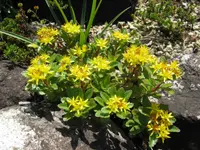
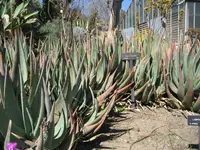
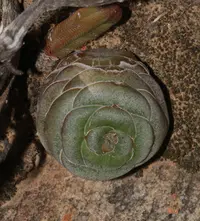
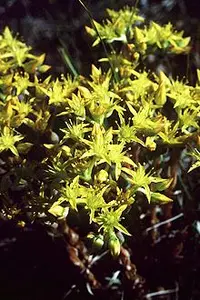
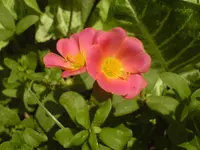
Gold stonecrop, Crassula dichotoma, is a small, branching succulent shrub with thick, fleshy leaves and clusters of tiny star-shaped flowers. It usually forms low, tidy mounds that stay compact in containers or rock gardens.

This species is native to South Africa, where it grows in sunny, dry habitats with very well-drained, often rocky soils. Its drought tolerance and slow, compact growth make it relatively easy to manage, especially for those who prefer low-maintenance plants.

Understanding how to care for Gold Stonecrop mainly involves providing strong light, avoiding excess moisture, and using gritty, fast-draining soil to protect the roots from rot.

Main Plant Requirements

Care Difficulty

Easy Care

Light Preference

Full Sun

Water Requirements

Low Water

Temperature Preference

Warm Climate

Hardiness Zone

9–11

Soil Texture

Sandy, Loamy, Rocky

Soil pH

Slightly acidic (6.5–7.0), Neutral (7.0)

Soil Drainage

Well-drained

Fertilization

Minimal (feed rarely)

Get Personalized Care Plan

Scan your plant to receive care tips personalized for your specific plant

Available on iOS and Android

How to Care for the Gold Stonecrop

This compact succulent needs bright light to stay dense and colorful.

  • Provide 4–6 hours of direct morning sun with bright indirect light the rest of the day; in very hot regions, protect Gold Stonecrop from harsh afternoon sun to prevent leaf scorch.
  • Outdoors, place in an open, sunny spot; it tolerates light, dappled shade but stems stretch and color fades if light stays low for many weeks.
  • In winter, shorter days slow growth; move pots or choose positions with maximum sun exposure, avoiding deep shade from buildings or trees.

This drought-tolerant plant prefers thorough but infrequent watering.

  • Water only when the top 2–4 cm of soil are completely dry, then soak the root zone and let excess drain away; shallow sips encourage weak roots.
  • Use very free-draining, gritty soil so water moves through quickly; prolonged soggy conditions cause soft, translucent leaves and root rot in Crassula dichotoma.
  • In cool seasons reduce watering sharply; wrinkles or slight leaf shriveling indicate underwatering, while yellowing, mushy foliage signals overwatering and the need to dry the soil.

This species prefers warm, frost-free conditions with moderate seasonal variation.

  • Aim for 65–80°F (18–27°C) during active growth; brief peaks up to 90°F (32°C) are tolerated if soil drains well and roots are not waterlogged.
  • Protect from frost; growth slows below 50°F (10°C), and extended exposure under 40°F (4°C) can damage or kill stems and roots.
  • In hot summers, good air movement and some afternoon shade reduce heat stress, while in cooler months a bright, sheltered position helps maintain stable temperatures and healthy growth.

This succulent thrives in dry indoor air and does not need added humidity.

  • Keep relative humidity around 30–50%, which suits its arid-adapted foliage.
  • Dry air is well tolerated; avoid placing the plant near humidifiers or terrariums.
  • Too much humidity can cause soft, pale stems and fungal spots; improve airflow and allow the potting mix to dry more between waterings if Gold Stonecrop looks stressed.

Crassula dichotoma prefers a lean, sharply drained, mineral-based substrate.

  • Use a sandy, gritty mix such as 50–60% cactus mix blended with coarse perlite or pumice for strong aeration.
  • Aim for slightly acidic to neutral pH around 6.0–7.0, avoiding strongly acidic or alkaline substrates that limit nutrient uptake.
  • Increase drainage by adding 0.5–1 in of coarse gravel at the bottom of the pot, ensuring it does not stay waterlogged.
  • Avoid heavy, peat-dense or clayey mixes that stay wet, as these promote root rot and stem base collapse.

This species is very suitable for container growing.

  • Choose a shallow but wide pot so the spreading root system and stems have lateral space without excess wet depth.
  • Select unglazed terracotta if extra evaporation is needed, as it helps counter occasional overwatering in compact indoor spaces.
  • Place the container where it cannot be easily knocked, since the branching, somewhat top-heavy form can make small pots unstable.

Crassula dichotoma grows well with light feeding during its active season in spring and summer.

  • Use a balanced liquid fertilizer (around 10-10-10 or 20-20-20) diluted to 25–50% strength for caring for Gold Stonecrop.
  • Apply every 4–6 weeks in the growing season on already moist soil to prevent root burn.
  • Skip fertilizing in late fall and winter when growth slows or stops.
  • Organic compost or a low-dose slow-release product can be used sparingly in container or rock garden plantings.

Crassula dichotoma benefits from occasional light pruning to maintain a compact, tidy form.

  • Best time is late winter to early spring, just before strong new growth begins.
  • Remove dead, damaged, or very leggy stems with clean, sharp scissors or small pruning shears.
  • Thin crowded shoots to improve light penetration and air flow through the clump.
  • Tip-pinching young stems encourages branching and denser foliage, which supports better flowering display.

This species prefers slightly tight conditions and only needs repotting or transplanting occasionally.

  • Check for roots circling the pot, emerging from drainage holes, or noticeably slowed growth as signs it needs a larger container.
  • Plan repotting or transplanting in spring, every 2–3 years for containers or when clumps outgrow their space in the garden.
  • Use a shallow, well-drained container or raised bed with gritty, sandy soil to limit waterlogging and root rot risk.
  • Minimize root stress by handling the root ball gently, watering lightly after transplanting, and shading from strong sun for 3–5 days.

Crassula dichotoma is commonly propagated by stem cuttings and sometimes by seed for larger batches of plants.

  • Take 5–8 cm semi-firm stem cuttings in spring or early summer, removing lower leaves.
  • Allow cut ends to dry and callus for 1–2 days before planting into a gritty, well-drained mix.
  • Keep the medium barely moist, with bright indirect light and warm temperatures around 68–75°F to support rooting.
  • For seed propagation, sow on the surface of a sandy mix, keep lightly moist, and maintain gentle warmth until germination.

Crassula dichotoma has limited frost tolerance and benefits from basic winter protection in colder regions.

  • In mild climates, a very light mulch around the root zone buffers brief dips near freezing without trapping excess moisture.
  • In areas with hard frost, grow in containers that can be moved indoors or into a cool, bright greenhouse.
  • Indoors, keep winter temperatures around 50–60°F with very good light and sharply reduced watering.

Care Tips

Compact growth control

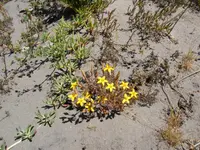
Pinch or clip soft stem tips once or twice a year to keep the plant compact and encourage denser branching instead of tall, weak, stretched shoots.

Targeted stem propagation

When stems become leggy, cut 5–8 cm tip cuttings, let them callus for 2–3 days, then root them in a separate tray of dry, gritty mix to produce replacement plants or fill gaps in the pot.

Clustered pot strategy

Plant several small, rooted cuttings in one shallow, wide container to create a fuller clump and reduce the risk of overwatering a single large root ball.

Strategic rotation

Rotate the pot 90° every 2–3 weeks during active growth so stems receive even light and develop uniform, upright habit instead of bending toward one direction.

Dry cold rest

In cooler months, give the plant a pronounced dry rest by watering very lightly and less often, which helps prevent root loss and supports long-term success when growing Gold Stonecrop.

Common Pests and Diseases

Mealybugs

This pest appears as small white cottony clusters lodged in leaf joints and along stems, often causing stunted, distorted growth. Symptoms include sticky honeydew and sooty mold developing on the plant surface.

Solution

Isolate the plant, then dab visible mealybugs with cotton swabs soaked in 70% isopropyl alcohol and repeat weekly until no new insects appear. Increase airflow, avoid overfertilizing, and use a light horticultural soap spray on all plant surfaces, including under leaves and along stem crevices.

Soft scale

These insects form small, rounded, tan to brown bumps firmly attached to stems and older leaves, leading to gradual yellowing and weakened growth. This pest also produces honeydew that can support black sooty mold on the foliage.

Solution

Gently scrape or wipe off individual scales with a fingernail or soft cloth dipped in 70% isopropyl alcohol, then treat the plant with an insecticidal soap or horticultural oil, ensuring full coverage of stems and leaf undersides. Repeat treatment every 7–10 days for several cycles and keep the plant slightly drier to reduce stress.

Aphids

These insects cluster on tender shoot tips and flower stems, sucking sap and causing puckered, curled, or misshapen new growth. Sticky honeydew may appear on nearby surfaces and can attract ants.

Solution

Rinse colonies off with a firm stream of water, then apply insecticidal soap to young stems and the undersides of leaves, repeating after 5–7 days if insects reappear. Prune heavily infested soft tips and reduce excess nitrogen fertilizer, which encourages lush, aphid-prone growth.

Edema

Symptoms include small corky, blister-like spots on leaves where cells have ruptured from absorbing more water than they can use, especially after irregular watering. This physiological disorder is common when a plant grown in dry conditions is suddenly overwatered or exposed to high humidity with cool roots.

Solution

Allow the potting mix to dry more thoroughly between waterings, then water deeply but less often, and ensure bright light and good air movement around the plant. Use a fast-draining, gritty succulent mix and avoid sudden changes from very dry to very wet soil conditions to reduce future damage.

Stem and leaf rot

This disease shows as dark, soft, water-soaked patches at the base of stems or on lower leaves, which eventually collapse and detach. Symptoms include a foul odor in severe cases and rapid decline if the plant is kept in cool, wet conditions.

Solution

Remove and discard all affected tissue with a sterile tool, then let remaining healthy segments callus before replanting in a fresh, sharply draining succulent mix. Reduce watering, keep the plant in warmer, bright conditions, and use pots with ample drainage to discourage fungal and bacterial pathogens associated with Crassula dichotoma care.

Interesting Facts

Namaqualand winter grower

This species is native to the arid Namaqualand region of South Africa and naturally grows during the cool, moist winter months, then slows or goes almost dormant in the hot, dry summer.

Clustered branching habit

The plant forms tight, branching clumps with opposite, often somewhat cylindrical or club-shaped leaves that reduce surface area and help limit water loss in its dry habitat.

Shallow rocky specialist

In nature it is often found rooted in very shallow, stony soils or rock crevices, where fast drainage and brief moisture pulses match its succulent water-storing tissues.

FAQs about Gold Stonecrop

Lack of flowering often relates to insufficient light, overly rich or wet soil, or excess nitrogen fertilizer. Mild stress, such as lean, well-drained substrate and strong light, usually promotes tighter growth and more reliable flowering in this species.

Grow Healthy Plants with Botan Care

Keep your plants happy and healthy with plant identification, disease detection, and easy care guidance.

Botan plant care app — identify plants on mobile

Explore More Plants