Echeveria gigantea Care

Echeveria gigantea

About Echeveria gigantea

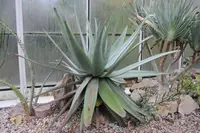
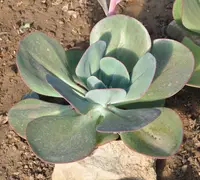
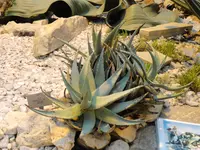
Echeveria gigantea is a succulent rosette-forming plant valued for its large, fleshy leaves and strong architectural shape. It typically grows as a low mound with broad, overlapping leaves that store water. Native to arid regions of Mexico, it is adapted to bright light, infrequent rain, and well-drained, rocky soils.

The plant’s slow growth, drought tolerance, and compact habit make it relatively straightforward for patient growers. Understanding how to care for Echeveria gigantea mainly involves providing strong light, avoiding overwatering, and using a gritty, free-draining potting mix.

Main Plant Requirements

Care Difficulty

Easy Care

Light Preference

Full Sun

Water Requirements

Low Water

Temperature Preference

Tropical / Frost Sensitive

Hardiness Zone

10–11

Soil Texture

Sandy, Loamy, Rocky

Soil pH

Slightly acidic (6.5–7.0), Neutral (7.0)

Soil Drainage

Well-drained

Fertilization

Minimal (feed rarely)

Get Personalized Care Plan

Scan your plant to receive care tips personalized for your specific plant

Available on iOS and Android

How to Care for the Echeveria gigantea

This large rosette succulent needs bright, mostly direct sun to stay compact and well colored.

  • Provide 6–8 hours of sun daily, with strong morning sun and light afternoon shade in hot, dry climates to avoid leaf scorch.
  • In very hot regions, give filtered light or 30–40% shade cloth during midafternoon, especially for young Echeveria gigantea plants.
  • Watch for signs of low light such as stretched stems and pale leaves, and gradually increase sun exposure over 1–2 weeks to prevent sunburn.

This drought-tolerant succulent prefers deep, infrequent watering with thorough drying between soakings.

  • Water only when the top 3–5 cm of soil are completely dry; in hot growing seasons this may be every 7–14 days outdoors.
  • Use very fast-draining, gritty soil and a slope or raised area so water never pools around the crown or roots.
  • Reduce watering sharply in cool seasons; soft, translucent, or yellowing leaves suggest overwatering, while wrinkled, thin leaves indicate it is time to water.

This species prefers warm, dry conditions and does poorly in prolonged cold or frost.

  • Aim for 65–80°F (18–27°C) during active growth, with good air movement to reduce rot risk in humid regions.
  • Protect plants whenever temperatures approach 32°F (0°C), as foliage is easily damaged by frost and prolonged cold, especially in wet soil.
  • In heat above 95°F (35°C), provide afternoon shade and avoid overhead watering during the hottest hours to limit stress and sunburn.

This succulent prefers dry air and usually does best in 30–50% humidity.

  • Tolerates typical indoor dryness well and should not be placed in very humid rooms like bathrooms.
  • Watch for edema, soft patches, or fungal spotting on leaves as signs humidity is too high.
  • Increase air movement with a small fan rather than misting, which can trap moisture in the rosette of Echeveria gigantea.

Use a very fast-draining, mineral-rich mix to prevent root rot.

  • Choose a gritty, sandy mix with coarse particles that feels loose and never stays soggy.
  • Combine roughly 50–70% inorganic materials (pumice, perlite, coarse sand) with 30–50% cactus potting mix for structure and nutrients.
  • Aim for slightly acidic to neutral pH, about 6.0–7.0, which suits Echeveria gigantea and most other succulents.
  • Avoid peat-heavy, compacted, or water-retentive mixes; add extra perlite or pumice if water takes longer than a few minutes to drain through.

This species is well suited to container growing when drainage and stability are managed carefully.

  • Select a wide, shallow pot that matches the rosette’s spread to support the leaf weight without crowding the roots vertically.
  • Choose unglazed terracotta if extra evaporation is needed, especially in cooler or shaded outdoor positions.
  • Place the container where wind cannot easily tip it, since the broad rosette acts like a sail and can destabilize lightweight pots.

Light feeding supports compact, healthy growth in Echeveria gigantea without causing weak, stretched tissue.

  • Use a balanced liquid succulent fertilizer (around 10-10-10 or 5-5-5) diluted to 25–50% strength.
  • Feed every 4–6 weeks during spring and summer, only on moist soil, then allow to dry lightly.
  • Avoid slow-release pellets that may release excess nutrients in hot, dry conditions.
  • Stop feeding in fall and winter when growth slows, to prevent soft, frost-prone leaves.

Pruning Echeveria gigantea is minimal and mainly focused on hygiene and maintaining a neat rosette.

  • Best time is during active growth in spring, after checking that leaves are firm and healthy.
  • Remove dried lower leaves, dead flower stalks, or damaged tissue with clean, sharp scissors.
  • Clearing crowded, shriveled leaves at the base improves airflow and reduces rot risk.
  • Avoid cutting into the central rosette, which can distort future growth and flowering.

Container-grown Echeveria gigantea benefits from occasional repotting to refresh soil and manage root health.

  • Repot every 2–3 years or when roots circle the pot, drainage slows, or growth becomes stunted.
  • Choose late spring for repotting, when temperatures are stable and new roots form readily.
  • Use a shallow container with drainage and a gritty succulent mix to limit water retention.
  • Gently loosen roots, remove old compacted soil, and keep watering light for 5–7 days to reduce stress.

Propagation of Echeveria gigantea is commonly done from offsets and leaf cuttings under warm, bright conditions.

  • Take offsets or healthy lower leaves in late spring or early summer for best success.
  • Allow cut surfaces to callus for 2–5 days in a dry, shaded place to prevent rot.
  • Place callused pieces on barely moist, gritty mix in bright, indirect light until roots form.
  • Seed propagation is slower; provide warmth (68–75°F), consistent slight moisture, and strong light.

Winter care for Echeveria gigantea focuses on avoiding frost and excess moisture around the roots.

  • Treat it as frost sensitive; aim to keep temperatures above 35–40°F.
  • Move containers indoors or into a bright, cool, frost-free area before hard freezes.
  • Water sparingly in winter, letting soil dry almost completely between light waterings.
  • In mild climates, use a gritty, fast-draining bed and a light gravel mulch to keep crowns dry.

Care Tips

Rosette stabilization

Place heavier terracotta top-dressing stones around the rosette base to keep the plant stable as leaves enlarge and to reduce soil movement during top watering.

Flower stalk management

Cut old or misshapen flower stalks at the base with a clean blade once blooms fade to redirect energy into leaf and root growth and to keep the rosette form compact.

Controlled offset removal

When offsets have at least 4–5 leaves and visible roots, gently twist or cut them away, allow the cut surface to dry for 2–3 days, then pot into a separate container to prevent crowding of the mother plant.

Salt buildup control

Every 2–3 months, flush the potting mix with plain water until it drains freely, then allow it to dry fully to reduce fertilizer salt accumulation that can burn thick leaves and roots.

Winter light adjustment

In winter, move the plant to the brightest possible window or under a grow light set for 10–12 hours daily to prevent rosette stretching, which is one of the main challenges when growing Echeveria gigantea in low-light homes.

Common Pests and Diseases

Mealybugs

This pest feeds on the fleshy leaves and rosettes, often hiding in leaf axils and under lower leaves. Symptoms include white cottony clusters, sticky honeydew, and distorted or stunted growth.

Solution

Isolate the plant, then remove visible insects with a cotton swab dipped in 70% isopropyl alcohol and gently wipe leaf crevices. Improve light and airflow, repeat alcohol swabs weekly until no new insects appear, and use an insecticidal soap or horticultural oil labeled for succulents for heavier infestations.

Vine weevils

These insects damage Echeveria gigantea mainly as larvae, which chew on roots and the stem base, causing sudden wilting or collapse. Adults may leave notched bite marks along leaf edges at night.

Solution

Inspect the root zone for C-shaped white larvae and remove them by hand, then repot into fresh, well-draining succulent mix and discard heavily infested soil. In outdoor or greenhouse setups, use beneficial nematodes targeted at vine weevil larvae and reduce dark, damp hiding spots where adults shelter during the day.

Aphids

These insects cluster on young leaves, flower stalks, and buds, sucking sap and causing curling or distortion. Honeydew and sooty mold may appear on the waxy leaf surface during warm, soft growth flushes.

Solution

Rinse the plant with a firm stream of water to dislodge aphids, then apply insecticidal soap or a light horticultural oil to all leaf surfaces, including undersides and flower stalks. Monitor every few days, repeating treatment as needed, and avoid high nitrogen fertilization that encourages lush, aphid-prone growth when growing Echeveria gigantea outdoors or in containers.

Powdery mildew

This disease appears as white, powdery patches on leaves, especially in crowded rosettes with poor air movement. Symptoms include dull, blotchy foliage and reduced vigor, particularly in humid, mild conditions.

Solution

Increase spacing and airflow around plants, avoid overhead watering, and remove badly affected leaves to reduce spore load. Use a sulfur-based fungicide or a potassium bicarbonate product labeled for ornamentals, applying to dry foliage and repeating according to label directions until new growth stays clean.

Edema

This physiological disorder occurs when roots absorb water faster than leaves can transpire, causing corky, blister-like spots on the thick leaf surface. Symptoms include rough, tan or brown patches, usually on the lower or shaded side of leaves, without signs of active pests or pathogens.

Solution

Adjust watering so the soil dries fully between waterings, especially in cool or low-light conditions, and ensure the potting mix drains very quickly. Improve light intensity and gentle airflow to balance water uptake and loss, and remove only the most unsightly leaves as new, healthier growth develops under better conditions.

Interesting Facts

Massive rosette size

This species forms unusually large rosettes for an Echeveria, often exceeding 30–40 cm across under optimal conditions, with thick, broad leaves that give it a distinctive, plate-like appearance.

Powdery leaf coating

The leaves are covered in a bluish waxy bloom called epicuticular wax, which helps reduce water loss and protects the tissue from intense sunlight in its native dry habitats.

Native Mexican endemic

Echeveria gigantea is native to specific regions of Mexico, where it grows on rocky slopes and well-drained terrain, adapted to strong light and periodic drought typical of its local environment.

FAQs about Echeveria gigantea

Lack of flowers usually comes from insufficient light, too much nitrogen fertilizer, or no cool, dry rest period in winter. Mature rosettes bloom more reliably; young plants or recently repotted ones may skip a season.

Grow Healthy Plants with Botan Care

Keep your plants happy and healthy with plant identification, disease detection, and easy care guidance.

Botan plant care app — identify plants on mobile

Explore More Plants