Dyckia floribunda Care

Dyckia floribunda

About Dyckia floribunda

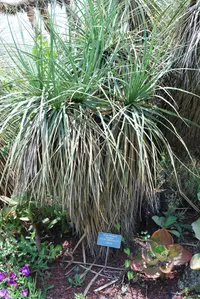
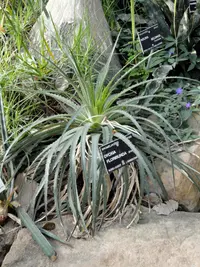
Dyckia floribunda is a terrestrial bromeliad, related to pineapples but adapted to dry, sunny habitats. It forms dense rosettes of stiff, spiny, often silver-tinged leaves. In nature it grows in rocky, exposed areas of South America, where it tolerates strong light, heat, and limited moisture. Its hard, architectural foliage and colorful flower spikes make it attractive for containers and rock gardens. This species is generally tough and forgiving if given sharp drainage and plenty of light, but the spines require careful handling. Understanding how to care for Dyckia floribunda mainly involves managing sun exposure, well-drained soil, and modest watering.

Main Plant Requirements

Care Difficulty

Moderate Care

Light Preference

Full Sun

Water Requirements

Low Water

Temperature Preference

Warm Climate

Hardiness Zone

9–11

Soil Texture

Sandy, Loamy, Rocky

Soil pH

Acidic (5.5–6.5), Slightly acidic (6.5–7.0)

Soil Drainage

Well-drained

Fertilization

Minimal (feed rarely)

Get Personalized Care Plan

Scan your plant to receive care tips personalized for your specific plant

Available on iOS and Android

How to Care for the Dyckia floribunda

This species prefers bright, intense light similar to arid, open habitats.

  • Provide 6–10 hours of direct sun daily, favoring strong morning and midday exposure in cooler climates.
  • In hot, inland areas, give full sun until early afternoon, then light shade or filtered light to limit leaf scorch and bleaching.
  • If leaves stretch, lose color, or rosettes open loosely, increase light; if tips crisp or silver coating burns, add partial shade, especially in summer.

Watering should mimic an arid climate with brief soakings and thorough drying between them.

  • Allow the top 3–5 cm of soil or the upper root zone in the ground to dry completely before watering again.
  • Use sharply draining, gritty soil; water deeply, then let excess drain away to reduce root rot risk in Dyckia floribunda.
  • In spring and summer, expect more frequent watering; in fall and winter, water sparingly, watching for shriveling leaves as a sign of underwatering.

Temperature tolerance is broad, but growth is strongest under warm, stable conditions.

  • Aim for 70–90°F (21–32°C) during active growth, with slightly cooler nights to support healthy rosettes.
  • The plant can survive brief drops to about 25–28°F (-4 to -2°C) if dry, but repeated frost damages foliage and crowns.
  • In extreme heat above 100°F (38°C), ensure airflow and some afternoon shade, and avoid watering during the hottest part of the day to limit stress.

This plant prefers dry to moderately dry air and rarely needs humidity adjustment in typical homes.

  • Aim for 30–50% humidity, avoiding persistently damp rooms such as enclosed bathrooms.
  • Plant in a very fast-draining, gritty mix so excess moisture around the rosette evaporates quickly in low humidity.
  • Watch for soft, pale leaf bases or crown rot, which indicate excess ambient moisture rather than dryness.

This species requires a very fast-draining, mineral-based mix that mimics rocky, arid habitats.

  • Use a coarse, sandy mix with about 60–80% inorganic material such as pumice, grit, or coarse sand, plus a small amount of lean compost or fine bark.
  • Aim for slightly acidic to neutral pH, around 6.0–7.0, which suits most Dyckia floribunda cultivated in containers.
  • Create strong drainage and aeration by using large, open pores in the mix; avoid peat-heavy, compact, or water-retentive substrates.
  • Never allow the soil to stay waterlogged; if water pools on the surface or the pot feels heavy for long, increase the proportion of gritty components.

This species adapts well to container growing when its drought-tolerant roots and heavy rosette are considered.

  • Choose a low, wide pot to balance the weight of the spiny rosette and reduce the risk of tipping in wind or when handled.
  • Select unglazed terracotta if extra evaporation is desired in wetter climates, but use a more moisture-retentive material in very hot, dry zones.
  • Leave a narrow gap between the plant’s outer leaves and the rim so air can circulate while still shielding the crown from heavy runoff.

This drought-tolerant bromeliad benefits from light feeding but grows acceptably even with minimal fertilizer.

  • Apply a balanced, low-salt liquid fertilizer at 1/4–1/2 strength every 4–6 weeks in spring and summer for Dyckia floribunda.
  • Use a balanced NPK or slow-release granular product formulated for succulents, avoiding high-nitrogen lawn fertilizers.
  • Water lightly before feeding to prevent root burn, and keep fertilizer off leaves and rosettes to reduce scorch risk.
  • Stop or greatly reduce feeding in fall and winter when growth slows, resuming only as new growth appears.

Pruning focuses on removing old or damaged tissue to maintain a compact, healthy rosette.

  • Best timing is late winter to early spring, before strong new growth begins.
  • Use long-handled, sharp scissors or pruners and sturdy gloves, as leaf spines are rigid and sharp.
  • Cut away dead, dried, or heavily damaged leaves at the base, and thin crowded offsets only if needed for space.
  • Removing old flower stalks after blooming tidies the plant but does not significantly change growth or flowering vigor.

This species tolerates tight containers, so repotting is infrequent and mainly done for space or health reasons.

  • Plan to repot every 3–5 years, or when roots circle the pot, drainage slows, or growth becomes noticeably cramped.
  • Choose late spring as the preferred time, when active growth helps the plant recover from root disturbance.
  • Move into a slightly wider pot with very fast-draining, gritty mix, keeping the plant at the same soil level.
  • Handle roots gently, remove only rotten or excessively tangled roots, and keep soil just slightly moist for 1–2 weeks afterward.

New plants are most often produced from offsets, though seed is also possible with more time and attention.

  • Divide offsets in late spring or early summer, when plants are actively growing and night temperatures are mild.
  • Wearing gloves, cut or twist pups away once they have several leaves and a small root system.
  • Plant offsets in a gritty, free-draining mix, keep in bright light, and water lightly until well rooted.
  • For seed, surface-sow on barely moist mix, provide warmth (70–80°F) and bright, indirect light, and keep humidity moderate.

This plant is moderately cold tolerant when dry but still benefits from basic winter management in many climates.

  • Most forms handle brief dips near 25°F if soil is sharply drained and foliage is dry.
  • In-ground plants in marginal zones benefit from a light gravel or coarse mulch layer to insulate the root zone.
  • Move containers under cover or indoors to a bright, cool, dry spot before hard freezes are forecast.
  • Reduce watering significantly in winter, keeping the root zone almost dry to avoid rot in cold conditions.

Care Tips

Safe handling

Use thick gloves and tongs or folded newspaper when repotting or dividing the plant to avoid injury from the rigid spines and to keep the rosette intact.

Offset management

Inspect the base once or twice a year and remove or separate overcrowded offsets with a clean, sharp knife so each rosette has space and airflow, which reduces rot risk and maintains an attractive clump.

Rock mulch use

Apply a 1–2 cm layer of coarse gravel or small stones around the base to stabilize the plant, keep the crown dry, and mimic its natural rocky habitat.

Cold rain protection

In climates with cool, wet winters, move container plants under a roof overhang or use a simple clear cover during extended cold rain to prevent waterlogged crowns and freeze damage.

Container anchoring

When growing Dyckia floribunda in tall or lightweight pots outdoors, place a heavy stone at the bottom or use a wider, heavier container to prevent the spiky rosette from tipping over in strong winds.

Common Pests and Diseases

Scale insects

This pest feeds on leaf bases and along the rosette, sucking sap and weakening the plant over time. Symptoms include small, dome-shaped brown or gray bumps that feel hard and do not rub off easily, sometimes accompanied by sticky honeydew.

Solution

Remove infested leaves or pups if heavily covered, then gently scrub remaining scale with a soft brush or cotton swab dipped in isopropyl alcohol, taking care not to damage the stiff leaves. Improve light and air movement, avoid frequent overhead misting, and repeat spot treatments weekly until no new insects appear; use a labeled systemic insecticide only if manual control fails.

Mealybugs

These insects hide deep in the leaf axils and around the base of the rosette, where they suck sap and stunt growth. Symptoms include white, cottony clusters, distorted new leaves, and occasionally sooty mold growing on their sugary secretions.

Solution

Flush the rosette and crown with a strong but controlled stream of water to dislodge visible colonies, then dab remaining mealybugs with a cotton swab soaked in isopropyl alcohol. Keep the plant on the dry side between waterings, inspect offsets before separating or sharing, and if needed apply a systemic insecticide labeled for succulents and bromeliads to reach hidden insects.

Fungal leaf spot

This disease appears in overly humid or poorly ventilated conditions, especially when water sits in the rosette for long periods. Symptoms include small dark or tan spots on leaves that may enlarge and coalesce, sometimes with a purplish or yellow halo.

Solution

Trim and discard affected leaves, cutting back into healthy tissue and disinfecting tools between cuts. Allow the rosette to dry thoroughly between waterings, avoid wetting foliage late in the day, increase air circulation, and in persistent cases use a copper- or chlorothalonil-based fungicide according to label directions.

Crown rot

This disease develops when the crown stays wet and cool for extended periods, often in dense or water-retentive substrates. Symptoms include a soft, collapsing center, foul odor at the base, and leaves that pull away easily from a mushy crown.

Solution

At the earliest signs, unpot the plant, cut away all soft and discolored tissue, and let healthy offsets or firm sections callus for 2–3 days before replanting in a very gritty, fast-draining mix. After replanting, water sparingly, keep the plant warm with good airflow, and avoid letting water sit trapped in the crown, which is central to effective Dyckia floribunda care instructions.

Interesting Facts

Rocky outcrop specialist

This species is native to rocky slopes and exposed outcrops in Brazil, where it anchors in shallow crevices and tolerates intense sun and seasonal drought better than many bromeliads.

Rosette with spinose leaves

It forms dense, ground-hugging rosettes with narrow, strongly spined leaves that provide mechanical protection from herbivores and help shade the plant’s own root zone.

Showy branching inflorescences

Mature plants produce tall, branched inflorescences bearing numerous small, brightly colored flowers that are adapted for pollination by flying insects in their native habitat.

FAQs about Dyckia floribunda

Lack of flowering usually comes from insufficient light, overly rich or wet soil, or plants that are still immature. This species often needs several years of strong light, lean substrate, and seasonal temperature variation to flower well.

Grow Healthy Plants with Botan Care

Keep your plants happy and healthy with plant identification, disease detection, and easy care guidance.

Botan plant care app — identify plants on mobile

Explore More Plants