Heath Stonecrop Care (Crassula ericoides)

Heath Stonecrop

About Heath Stonecrop

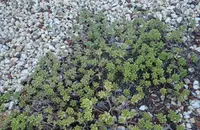
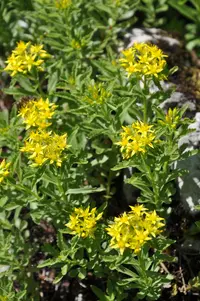
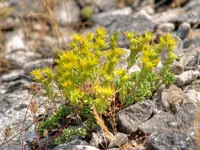
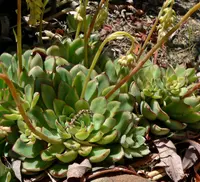
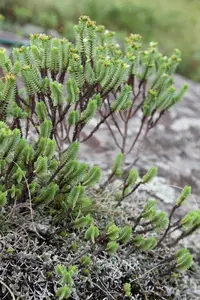
Crassula ericoides, commonly called heath stonecrop, is a small succulent shrub from the dry regions of South Africa. It has many fine, upright stems densely covered with tiny, narrow leaves that give it a heather-like look. In cultivation it stays compact and slow-growing, making it suitable for containers, rock gardens, and bright indoor spots. The plant stores water in its leaves and stems, so it tolerates short dry spells but dislikes prolonged wet soil. Overall it is considered moderately easy, as long as light is strong, soil drains very well, and watering is conservative. Learning how to care for Heath Stonecrop mainly involves avoiding overwatering and low light.

Main Plant Requirements

Care Difficulty

Moderate Care

Light Preference

Full Sun

Water Requirements

Low Water

Temperature Preference

Tropical / Frost Sensitive

Hardiness Zone

10–11

Soil Texture

Sandy, Loamy, Rocky

Soil pH

Slightly acidic (6.5–7.0), Neutral (7.0)

Soil Drainage

Well-drained

Fertilization

Minimal (feed rarely)

Get Personalized Care Plan

Scan your plant to receive care tips personalized for your specific plant

Available on iOS and Android

How to Care for the Heath Stonecrop

This small succulent prefers bright, direct light for compact, healthy growth.

  • Provide 4–6 hours of direct sun daily, ideally with morning sun and light afternoon shade, especially in hotter regions.
  • Heath Stonecrop tolerates light partial shade, but growth becomes looser and stems may stretch if it receives under 3–4 hours of sun.
  • In summer, introduce plants gradually to stronger sun to avoid leaf scorch; in winter, prioritize the brightest, least-obstructed spot available.

This species stores water in its stems and leaves and needs infrequent but thorough watering.

  • Water when the top 3–5 cm of soil are completely dry, then soak the root zone so excess drains away quickly.
  • Crassula ericoides prefers sharply draining, gritty soil; standing water, a sour smell, or mushy stems indicate overwatering and possible root rot.
  • In spring and summer, drying intervals shorten; in fall and winter, extend them, watching for slight leaf wrinkling as a sign to water.

This drought-tolerant succulent prefers mild, frost-free conditions for best performance.

  • Ideal growing temperatures are 65–80°F (18–27°C), with slightly cooler nights promoting sturdy, compact growth.
  • Protect from frost; brief dips to 30–32°F (-1–0°C) may be survived if dry, but tissue damage is likely below this range.
  • In hot spells above 90°F (32°C), give afternoon shade and airflow to reduce heat stress and prevent sunburn on exposed stems.

This succulent thrives in relatively dry indoor air and does not need elevated humidity.

  • Aim for 30–50% humidity, similar to most heated or air-conditioned homes.
  • It tolerates drier air well; limp, pale, or shriveling leaves usually indicate watering issues rather than humidity stress in Heath Stonecrop.
  • If air is extremely dry and leaves wrinkle despite adequate watering, group succulents together away from direct heater vents to slightly raise local humidity.

Crassula ericoides needs very fast-draining, gritty soil to prevent root rot.

  • Use a cactus/succulent mix amended with extra mineral grit, such as coarse sand, fine gravel, or pumice, to create an open, airy structure.
  • Aim for a slightly acidic to neutral pH around 6.0–7.0, which suits most commercial succulent substrates.
  • Ensure water runs through the mix within seconds; if it lingers or the surface stays dark and soggy, add more mineral components and reduce peat content.
  • Avoid heavy, compacted, or clay-based soils, which hold water around the roots and quickly lead to stem rot.

This species is well suited to container growing due to its compact, shrubby habit.

  • Choose a shallow, wide pot to match its fibrous root system and allow surface spreading without deep, unused soil that stays wet.
  • Select unglazed clay if extra evaporation is needed in humid or cool climates, as it helps the gritty mix dry more evenly.
  • Place the container where it cannot be easily knocked over, since dense top growth on one side can gradually make the pot unstable.

This small succulent Heath Stonecrop needs only light feeding to support compact, healthy growth in pots or lean garden soils.

  • Use a balanced liquid fertilizer (around 10-10-10) diluted to 25–50% strength for container plants.
  • Feed once every 4–6 weeks during spring and summer, only when plants are actively growing.
  • Skip fertilizer in late fall and winter when growth slows and the plant rests.
  • In very poor soil, a small amount of slow-release succulent fertilizer in spring is sufficient.

Pruning Crassula ericoides is mainly used to maintain shape and remove weak growth rather than to control size strongly.

  • Best time for pruning is late winter to early spring before active growth resumes.
  • Snip off dead, damaged, or crossing stems with clean, sharp scissors or small pruners.
  • Light tip-pruning encourages bushier branching and a denser, neater mound.
  • Avoid heavy cuts into old, woody stems, as regrowth from bare wood is limited.

This compact, shallow-rooted succulent prefers infrequent repotting and minimal disturbance of its root system.

  • Repot every 2–3 years or when roots circle the pot base, growth slows, or soil stays wet too long.
  • Choose late winter or early spring, using a slightly larger pot and fast-draining cactus or succulent mix.
  • Gently loosen circling roots but avoid tearing; preserve as much root ball as possible to limit stress.
  • After repotting, water lightly once, then let the mix dry partly before returning to a normal watering schedule.

Crassula ericoides is commonly propagated from stem cuttings, which root well in warm, dry, bright conditions.

  • Take non-flowering stem cuttings in late spring or early summer, 5–8 cm long.
  • Remove lower leaves and let cut ends dry for 1–2 days to form a callus that reduces rot risk.
  • Insert cuttings into a gritty, well-drained mix and keep slightly moist, not wet.
  • Place in bright, indirect light at 68–75°F until roots develop over several weeks.

This succulent tolerates only light frost and benefits from simple winter precautions, especially in colder climates.

  • In regions colder than about 25–30°F, grow in containers and move indoors before hard frost.
  • Provide a cool, bright indoor spot and keep soil almost dry during winter dormancy.
  • Outdoors in mild climates, use a very gritty mix and avoid winter waterlogging around roots.
  • Do not cover foliage with heavy mulch; if needed, mulch lightly around, not on, the stems.

Care Tips

Pinch For Density

Lightly pinch or cut back the soft tips of stems in early spring to encourage bushier, denser growth rather than tall, sparse shoots.

Rotate For Symmetry

Turn the pot 90° every 1–2 weeks during active growth so all sides receive similar light exposure and the plant develops a compact, even shape instead of leaning to one side.

Root Zone Monitoring

Lift the pot occasionally to feel its weight and slide the plant partly out once or twice a year to check that fine feeder roots are firm and white, intervening early if you see brown, mushy tissue that suggests overwatering damage.

Pebble Mulch Layer

Add a 0.5–1 in layer of clean mineral grit or small pebbles on the soil surface to keep stems dry at the base, reduce algae and fungus gnat issues, and visually support a tidy, rocky-habitat look when growing Heath Stonecrop.

Cool Rest Period

Provide a cooler, bright, and very dry rest period around 50–60°F in winter to maintain compact growth and reduce the risk of leggy, weak shoots forming in low light conditions.

Common Pests and Diseases

Mealybugs

This pest appears as small white cottony clusters along stems and in leaf joints, often causing yellowing and slowed growth. Symptoms include sticky honeydew and sooty mold on nearby surfaces.

Solution

Isolate the plant, then dab visible insects with cotton swabs dipped in 70% isopropyl alcohol and repeat weekly until no new clusters appear. Increase light and airflow, and for heavier infestations use an insecticidal soap or neem oil spray, making sure to coat stem joints and the undersides of leaves.

Aphids

These insects cluster on new growth and flower buds, sucking sap and causing distorted, stunted tips. Symptoms include sticky honeydew and sometimes a trail of ants.

Solution

Rinse stems and foliage under a gentle but firm stream of water to remove colonies, then apply insecticidal soap or neem oil to tender shoots and repeat every 5–7 days until populations decline. Limiting excess nitrogen fertilizer also helps reduce soft, aphid-prone growth when caring for Heath Stonecrop.

Spider mites

This pest thrives in hot, dry conditions and causes fine webbing, tiny pale speckles on leaves, and gradual leaf drop. Symptoms include dull, tired-looking foliage despite adequate light.

Solution

Increase humidity around the plant slightly, then wash stems and foliage thoroughly with lukewarm water, including the undersides of leaves. Follow with repeated applications of insecticidal soap or a horticultural oil every 5–7 days, and avoid placing the plant directly next to heat sources that create very dry air.

Soft scale

These insects appear as small, rounded brown or tan bumps firmly attached to stems, causing gradual yellowing and reduced vigor. Symptoms include honeydew deposits and occasional sooty mold on nearby surfaces.

Solution

Gently scrape or wipe off individual scales with a fingernail or cloth dipped in 70% isopropyl alcohol, then apply a thorough insecticidal soap or neem oil spray to all stems. Inspect regularly and repeat treatment as needed, and prune heavily infested stem tips to prevent reinfestation.

Fungal leaf spots

This disease presents as small brown or black spots on leaves that may coalesce, especially under cool, damp conditions or poor airflow. Symptoms include premature leaf drop on lower, shaded parts of the plant.

Solution

Remove and discard affected leaves and any fallen debris, then improve airflow and avoid overhead watering so foliage dries quickly. If spots continue to spread, use a labeled copper or sulfur-based fungicide on the foliage and maintain a brighter, drier environment with good spacing between plants.

Interesting Facts

Erica-like foliage

This species has tiny, needle-like leaves arranged densely along its stems, which gives it a heath or heather-like appearance that is unusual within the genus Crassula.

Fynbos specialist

Crassula ericoides is native to the winter-rainfall regions of South Africa’s Western Cape, where it grows in fynbos vegetation on well-drained, often rocky slopes.

Small but long-lived

Although it stays compact and shrub-like, this species forms woody, branching stems and can persist for many years in cultivation under stable, dry conditions, which is useful to know when planning long-term Crassula ericoides care.

FAQs about Heath Stonecrop

Poor flowering usually comes from insufficient light, nutrient-rich or constantly moist soil, or recent heavy pruning. Keep the plant slightly stressed in lean, gritty substrate, avoid frequent fertilizing, and allow a cool, bright rest period to set buds.

Grow Healthy Plants with Botan Care

Keep your plants happy and healthy with plant identification, disease detection, and easy care guidance.

Botan plant care app — identify plants on mobile

Explore More Plants