Sedum urvillei Care

Sedum urvillei

About Sedum urvillei

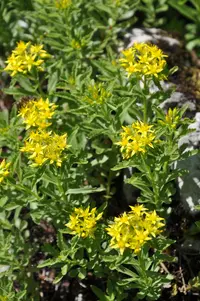
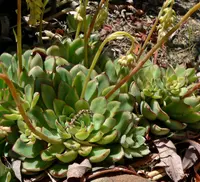
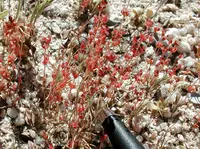
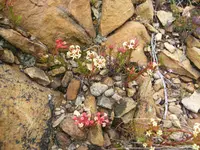
Sedum urvillei is a low-growing, mat-forming succulent often used as a groundcover or in rock gardens. It forms dense cushions of small, fleshy leaves that store water. In the right conditions it can produce clusters of star-shaped flowers that attract pollinators and add seasonal interest. This species is native to rocky, sun-exposed habitats in parts of Europe and western Asia. Its drought tolerance and modest nutrient needs make it a resilient choice for beginners who want to care for Sedum urvillei. It usually prefers full sun, sharply drained soil, and only occasional watering once established.

Main Plant Requirements

Care Difficulty

Easy Care

Light Preference

Full Sun

Water Requirements

Low Water

Temperature Preference

Cold Hardy

Hardiness Zone

5–9

Soil Texture

Sandy, Loamy, Rocky

Soil pH

Slightly acidic (6.5–7.0), Neutral (7.0)

Soil Drainage

Well-drained

Fertilization

Minimal (feed rarely)

Get Personalized Care Plan

Scan your plant to receive care tips personalized for your specific plant

Available on iOS and Android

How to Care for the Sedum urvillei

This low-growing succulent thrives in bright, open conditions with plenty of direct sun.

  • Provide 6–8 hours of direct sun daily; full sun is ideal in most temperate climates for compact growth and strong leaf color in Sedum urvillei.
  • Allow light afternoon shade in very hot, dry regions to reduce leaf scorch and excessive substrate drying, especially on south- or west-facing slopes.
  • In winter, ensure the site stays as bright as possible; heavy, dense shade leads to weak, stretched stems and poor flowering the following season.

This species prefers infrequent, deep watering and very fast-draining soil.

  • Water only when the top 3–5 cm of soil are completely dry; in most outdoor beds this means watering after prolonged dry spells rather than on a fixed schedule.
  • Use sharply draining, gritty soil or rocky ground so water runs through quickly; standing water or heavy clay greatly increases root and crown rot risk for Sedum urvillei.
  • In summer heat, watch for soft, translucent leaves as a sign of overwatering, and shriveled, wrinkled foliage as an indicator the plant can be watered soon.

This hardy succulent tolerates a wide temperature range but has clear limits for long-term health.

  • Optimal growing temperatures are around 60–80°F (16–27°C), when stems extend steadily and new rosettes form without stress.
  • Established plants typically survive down to about 0°F (−18°C) in well-drained soil; brief dips below this are possible but increase risk of winter damage, especially in wet conditions.
  • In summer, it copes with 85–95°F (29–35°C) if roots stay cool and soil drains quickly; prolonged extreme heat with high humidity raises risk of rot and leaf scorch.

This species tolerates a wide humidity range and rarely needs special humidity management indoors.

  • Target 30–50% humidity, typical of most heated and air-conditioned homes.
  • Dry indoor air is usually acceptable; leaves only shrivel if combined with prolonged underwatering.
  • If air is extremely dry and hot, reduce stress by keeping the plant away from heat vents and strong drafts.

Sedum urvillei prefers very fast-draining, mineral-rich soil that does not stay wet after watering.

  • Use a gritty mix: 50–70% inorganic material such as pumice, coarse sand, or small gravel, with 30–50% cactus/succulent mix.
  • Aim for a loose, open texture that allows water to drain through in seconds while leaving roots lightly anchored, not compacted.
  • Keep pH slightly acidic to neutral, roughly 6.0–7.5, which suits most commercial cactus and succulent mixes.
  • Avoid dense, peat-heavy, or clay-based soils; if using regular potting mix, cut it heavily with perlite and coarse sand to improve aeration.

This species is well suited to container growing due to its shallow, spreading root system.

  • Choose a wide, shallow pot to match the horizontal spread of stems and reduce unused, moisture-retentive depth.
  • Use unglazed terracotta if extra evaporation is needed in rainy or humid climates to keep roots drier.
  • Elevate the container or place on pot feet so drainage holes stay clear and water cannot pool under the pot.

This drought-tolerant succulent needs only light feeding to maintain compact, healthy growth.

  • Use a balanced, diluted liquid fertilizer (around 10-10-10 at 1/4 strength) or a thin layer of compost in spring for Sedum urvillei.
  • Feed once at the start of the growing season; a second light application in mid-summer is enough in poor soils.
  • Avoid high-nitrogen products that cause weak, leggy growth and reduce flowering.
  • Stop feeding in late summer; do not fertilize in fall or winter when growth is minimal.

Pruning is simple and mainly helps keep this low succulent tidy and flowering well.

  • In early spring, remove dead, winter-damaged, or mushy stems with clean, sharp scissors or snips.
  • After flowering, shear back spent flower stems to encourage a neater mat and possible light rebloom.
  • Thin congested areas by trimming crowded shoots, which improves air flow and reduces rot risk.
  • During the growing season, lightly shape Sedum urvillei by pinching back overly long, sprawling stems.

This species is usually grown in rock gardens or groundcover beds, with infrequent need for repotting.

  • Transplant or repot in spring when new growth starts and temperatures are mild.
  • Look for roots circling the pot, poor drainage, or very slow growth as signs that a container plant needs a larger, shallow pot.
  • Move the plant into gritty, fast-draining soil, handling roots gently and keeping them as intact as possible.
  • Water lightly after transplanting, then allow soil to dry between waterings to limit transplant shock for Sedum urvillei.

This plant is commonly multiplied to extend groundcover or refresh older patches.

  • Use stem cuttings in late spring or summer; let cut ends dry 1–2 days, then place on or in gritty, barely moist soil.
  • Divide mature clumps in spring, replanting firm, healthy sections at the same depth as before.
  • Leaf cuttings can root on well-drained mix in bright, indirect light with minimal watering.
  • Seeds may be sown on the surface of a sandy mix; keep lightly moist and bright until germination.

This cold-hardy succulent generally needs minimal winter care in the ground.

  • Established plants tolerate frost and snow, especially in sharply drained soil.
  • In colder regions, a light mulch of gravel or coarse sand around the crown helps keep the root zone drier.
  • Container plants are more exposed; move pots to a sheltered, unheated spot and avoid waterlogged soil.
  • Remove heavy, soggy leaf litter from around plants to reduce winter rot risk.

Care Tips

Rock crevice planting

Tuck stems into shallow gaps between rocks or in gravel pockets so roots stay cool and dry while the foliage receives maximum light and good air flow.

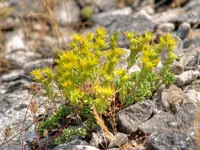
Segmented propagation

When rejuvenating an older mat, lift and gently break it into small rooted sections, then replant only the firm, non-woody pieces to keep the colony vigorous and uniform.

Winter drainage check

Before winter rain or snow, verify that raised beds, troughs, or rock gardens drain freely so stems do not sit in cold, saturated media that promotes rot.

Companion spacing strategy

Plant it at the sunny, well-drained edge of mixed beds or stone paths so taller neighbors do not shade it or drip excess water onto the foliage when irrigated.

Low-input weed control

Use a 2–3 cm layer of coarse gravel mulch around the plants to suppress weeds, keep stems clean, and stabilize the soil surface while still allowing excellent drainage when growing Sedum urvillei.

Common Pests and Diseases

Mealybugs

This pest appears as small white cottony clusters in leaf axils, on stems, and sometimes on roots, feeding on plant sap and stressing the plant. Symptoms include stunted growth, yellowing foliage, and sticky honeydew that can attract sooty mold.

Solution

Isolate the affected plant, then dab visible insects with cotton swabs dipped in 70% isopropyl alcohol and repeat weekly until no new pests appear. For larger infestations on outdoor clumps, use a firm water spray to dislodge insects, then apply an insecticidal soap labeled for succulents in the evening to avoid sunburn, and reduce excess nitrogen fertilization that promotes soft, vulnerable growth.

Aphids

These insects cluster on young shoots and flower stems, sucking sap and causing curling or distortion of new growth. Sticky honeydew and sooty mold can develop on heavily infested plants, especially during the flowering period.

Solution

Rinse colonies off with a directed stream of water, focusing on tender tips and flower stems, and repeat every few days as needed. If populations persist, apply insecticidal soap or a light horticultural oil in the early morning, ensuring thorough coverage of undersides of leaves and stems, and encourage natural predators such as lady beetles by avoiding broad-spectrum insecticides nearby.

Spider mites

This pest is more likely in hot, dry, sheltered positions and causes fine stippling or a dusty look on leaves, sometimes with delicate webbing between stems. Symptoms include dull, speckled foliage and gradual leaf drying, particularly during prolonged drought and heat.

Solution

Increase humidity around the plant slightly by occasional overhead rinsing in the morning, and spray foliage with a strong but gentle jet of water to remove mites and webs. For ongoing issues, use a miticide or horticultural oil specifically labeled for spider mites, applied in several rounds 5–7 days apart, and avoid prolonged water stress, which favors infestations when growing Sedum urvillei in containers or tight rock crevices.

Powdery mildew

This disease produces a white to gray powdery coating on leaves and stems, usually in warm, dry conditions with poor air circulation. Symptoms include dull or distorted foliage and reduced vigor, though the plant often survives with cosmetic damage.

Solution

Remove and discard heavily affected stems or leaves and avoid overhead watering late in the day to keep foliage dry at night. Improve airflow by thinning crowded clumps or adjacent plants, then apply a sulfur-based or potassium bicarbonate fungicide labeled for ornamentals if the problem recurs each season.

Leaf and stem spots

This disease group, often caused by fungi or bacteria, leads to small dark or water-soaked spots on leaves and lower stems, which may enlarge and cause localized dieback in humid or poorly drained conditions. Symptoms include patchy browning of foliage and sometimes collapse of individual stems while the rest of the clump remains healthy.

Solution

Cut out and discard affected stems and fallen debris to reduce inoculum, sterilizing cutting tools with alcohol between plants. Improve drainage and spacing, avoid waterlogging and frequent overhead watering, and if spots continue to spread each season, apply a broad-spectrum ornamental fungicide preventively in early spring when new shoots emerge.

Interesting Facts

Rocky Balkan native

This species is naturally distributed in rocky, mountainous habitats of the Balkans and parts of southeastern Europe, where it grows in shallow, mineral-rich soils and crevices exposed to strong sun.

Mat-forming growth habit

Plants form low, dense mats through short creeping stems and closely packed rosettes, an adaptation that helps stabilize thin soils on slopes and rock faces.

Cold-tolerant succulent

Unlike many succulents adapted to hot deserts, this species tolerates substantial frost in its native range, surviving cold winters in well-drained, exposed sites.

FAQs about Sedum urvillei

This species forms low, slowly spreading mats through short stems and occasional self-seeding. It is generally not considered aggressive. In well-drained, lean soils, spread remains controlled and it coexists well with other sun-loving rock garden plants.

Grow Healthy Plants with Botan Care

Keep your plants happy and healthy with plant identification, disease detection, and easy care guidance.

Botan plant care app — identify plants on mobile

Explore More Plants