Peninsular beargrass Care (Nolina cismontana)

Also known as: Chaparral Nolina, peninsular nolina, chaparral beargrass
Peninsular beargrass

About Peninsular beargrass

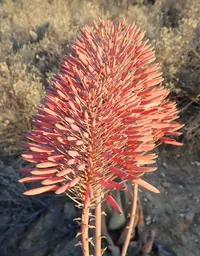
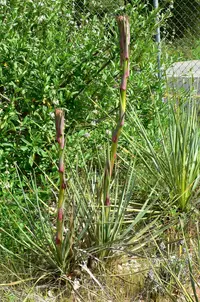
Peninsular beargrass (Nolina cismontana) is a tough, grasslike shrub native to rocky slopes and chaparral areas of southern California. It forms dense clumps of narrow, arching leaves that give a coarse, architectural look. Mature plants send up tall flowering stalks with many small, creamy-white blooms. This species is adapted to heat, drought, and poor, stony soils, which makes it a durable option in dry landscapes. It grows slowly but is long-lived when kept in well-drained soil and not overwatered. Understanding how to care for Peninsular beargrass starts with providing strong light, low to moderate moisture, and excellent drainage, similar to its wild habitat.

Main Plant Requirements

Care Difficulty

Moderate Care

Light Preference

Full Sun

Water Requirements

Low Water

Temperature Preference

Warm Climate

Hardiness Zone

8–10

Soil Texture

Sandy, Rocky, Loamy

Soil pH

Slightly acidic (6.5–7.0), Neutral (7.0)

Soil Drainage

Well-drained

Fertilization

Minimal (feed rarely)

Get Personalized Care Plan

Scan your plant to receive care tips personalized for your specific plant

Available on iOS and Android

How to Care for the Peninsular beargrass

Nolina cismontana thrives in bright, open conditions that mimic its native chaparral slopes.

  • Provide 6–8 hours of direct sun daily, with morning sun and some light afternoon shade ideal, especially in hotter inland areas.
  • Tolerates bright, open partial shade, but flowering and compact rosette form are best in full sun; long, floppy leaves indicate insufficient light.
  • In very hot regions, protect Peninsular beargrass from intense late-afternoon sun to reduce leaf scorch, especially during summer heat waves.

This drought-adapted shrub-like plant prefers deep, infrequent watering and fast-draining soil.

  • Outdoors in the ground, allow the top 5–8 cm of soil to dry completely before watering; in arid climates this often means long gaps between soakings.
  • Use sharply draining, gritty soil or a rocky slope so water runs off quickly; standing water or compacted clay greatly increases root rot risk.
  • In the growing season, leaves that curl and feel dry signal underwatering; yellowing, soft bases or a persistent soggy root zone suggest overwatering for Nolina cismontana.

This species is adapted to warm, dry climates with cool but not severe winters.

  • Optimal growth occurs around 65–85°F (18–29°C), typical of many warm temperate and Mediterranean-type regions.
  • Mature plants tolerate brief drops to about 20–25°F (-6 to -4°C); extended hard freezes below this can damage leaf tips and young crowns.
  • Handles dry heat up to 100–105°F (38–41°C) if soil is not soggy; avoid planting in frost pockets or low spots where cold air and moisture accumulate in winter.

Nolina cismontana handles typical indoor humidity well and rarely needs special humidity management.

  • Target 30–50% humidity, which matches most heated or air‑conditioned homes.
  • This species tolerates dry air, so use a humidifier or pebble tray only if leaf tips repeatedly brown without watering issues.
  • If Peninsular beargrass shows curled or crispy leaf margins despite adequate watering, move it away from heating vents or strong drafts.

Nolina cismontana prefers very well-drained, sandy, mineral soils that mimic dry, rocky slopes.

  • Use a mix of roughly 50–60% coarse sand or grit, 20–30% perlite or pumice, and 20–30% lean compost or fine bark.
  • Aim for slightly acidic to neutral pH, around 6.0–7.0, avoiding strongly alkaline or constantly wet substrates.
  • Increase aeration by using chunky particles (pumice, gravel, orchid bark) and avoiding dense peat-heavy or clay-based mixes.
  • Do not plant in compacted, water-retentive substrates, which promote root rot and weak, shallow rooting in Nolina cismontana.

This species is suitable for container growing when the pot is prepared to keep the root zone dry and stable.

  • Choose a deep, heavy container to balance the tall, grassy foliage and reduce tipping in wind or on balconies.
  • Select unglazed terracotta if extra evaporation is needed in humid or rainy climates to keep the mix drier.
  • Raise the pot on feet or bricks so drainage holes stay clear and excess water leaves the container quickly.

Nolina cismontana is adapted to nutrient-poor soils and needs only light, infrequent feeding in cultivation.

  • Use a low-dose, balanced NPK fertilizer (such as 10-10-10) or dilute liquid feed at 1/4 strength during spring–early summer.
  • Feed at most 1–2 times per growing season; excessive nutrients reduce drought tolerance and compact form.
  • Avoid fertilizing during fall and winter dormancy, especially for outdoor clumps of Peninsular beargrass.
  • On poor sandy soils, a very thin layer of compost once a year around, not on, the crown is sufficient.

Nolina cismontana has a naturally tidy form and benefits mainly from light, corrective pruning.

  • Best time is late winter to early spring before strong new growth begins.
  • Remove dead, browned, or damaged leaves by cutting them close to the stem with clean, sharp pruners.
  • Thin out severely crowded, crossing foliage only if airflow is poor or pests appear.
  • Limit pruning to cosmetic shaping; heavy cutting of the growing point can permanently distort the plant.

This species is usually grown in the ground, with transplanting done infrequently and only when necessary.

  • Plan moves for late winter or very early spring, when growth is slow and temperatures are mild.
  • Look for signs such as stunted growth, poor vigor in compacted soil, or roots circling a container if grown in a pot.
  • Dig widely around the root zone, keeping the fibrous roots intact, and replant at the same depth in well-drained soil.
  • Water deeply after transplanting, then keep soil slightly moist (not wet) for several weeks to limit root stress.

Nolina cismontana is most often propagated from seed, and this process is slow and suited to patient growers.

  • Collect ripe seeds from mature inflorescences in late summer and clean them well.
  • Sow in a gritty, well-drained mix, barely covering the seeds, and keep at 68–75°F with bright light.
  • Maintain lightly moist, not saturated, conditions; germination may take several weeks or longer.
  • Seedlings need strong light, low to moderate watering, and careful handling to avoid damaging fine roots.

This drought-adapted species is relatively cold hardy in its range and usually needs minimal winter care in the ground.

  • Established plants tolerate light frosts, but young or newly planted specimens benefit from extra attention.
  • In climates with freezes below about 20°F, apply a 5–8 cm mulch around, not touching, the crown to buffer soil temperature.
  • For container plants in colder regions, move pots to an unheated but frost-free, bright area and water sparingly.

Care Tips

Encourage clumping habit

Plant several young plants together in a wide, shallow bed or container to form a dense clump, which better mimics natural colonies and helps shade the root zone in hot, exposed sites.

Protect stem base

Apply a thin gravel or coarse sand mulch around, but not touching, the stem base to keep the crown dry, reduce splashback during rain or irrigation, and lower the risk of rot and fungal spotting when growing Peninsular beargrass.

Optimize air movement

Site plants where they receive consistent air flow, such as on a raised bench or open slope, to dry foliage quickly after rain and reduce mealybug and scale infestations on the leaf bases.

Manage hillside planting

On slopes, plant on slight terraces or behind small stones so water flows past rather than over the crown, which stabilizes the root zone and prevents soil erosion around the plant.

Inspect leaf axils

During routine checks, gently separate the narrow leaves and inspect the leaf axils and lower leaf sheaths, where debris, pests, and excess moisture can accumulate, removing dead material by hand or with clean snips to keep the rosette clean and healthy.

Common Pests and Diseases

Agave snout weevil

This pest attacks the base and crown, where adults chew and larvae tunnel inside the stem, causing collapse of the rosette. Symptoms include sudden yellowing, wilting, and a foul, rotting center despite previously normal growth.

Solution

Remove and dispose of any infested plants and surrounding soil to prevent spread, as internal damage is usually fatal. Avoid overhead and frequent shallow watering, keep plants in well-drained soil, and in areas with a history of infestation use physical inspection of crowns and targeted soil drenches with an appropriate systemic product according to label directions.

Scale insects

These insects attach to leaves and stems as small, dome-shaped or oval bumps, sucking sap and weakening the plant. Symptoms include yellowing, slowed growth, and sticky honeydew that may attract sooty mold.

Solution

Manually remove light infestations with a soft brush or cloth dipped in diluted alcohol, focusing on leaf bases and along the trunk. For heavier cases, use repeated applications of horticultural oil or insecticidal soap, ensuring full coverage of leaf undersides and crevices, and improve air circulation to reduce reinfestation.

Mealybugs

This pest appears as white, cottony clusters hidden in leaf bases and tight rosettes, where it sucks sap and stresses the plant. Symptoms include distorted new leaves, sticky residue, and occasional sooty mold growth on older foliage.

Solution

Isolate affected plants, then flush insects from the rosette with a firm stream of water and swab remaining clusters with alcohol on a cotton swab. Follow with several rounds of insecticidal soap or neem oil at 7–10 day intervals, and keep the plant in bright, open conditions to make monitoring easier when caring for Peninsular beargrass.

Leaf spot

This disease causes small tan, brown, or dark purple spots on leaves that may merge into irregular patches, often starting on older foliage. Symptoms include cosmetic damage and occasional premature leaf death under prolonged wet conditions.

Solution

Prune and discard affected leaves, avoiding healthy tissue as much as possible, and water at the soil level instead of over the foliage so leaves dry quickly. Improve spacing and airflow, and in persistent, wet climates consider a targeted fungicide labeled for ornamental monocots, applied according to directions during extended rainy periods.

Interesting Facts

California coastal endemic

This species occurs naturally only on the coastal side of southern California’s Transverse and Peninsular Ranges, making it a narrow regional endemic that does not extend into the desert like many related nolinas.

Serpentine soil specialist

Nolina cismontana often grows on serpentine and other ultramafic substrates, which are low in essential nutrients and high in heavy metals, indicating a strong adaptation to chemically challenging soils.

Fire‑resilient caudex

It develops a woody, swollen stem base (caudex) that allows the plant to resprout after wildfire or above‑ground damage, an important survival trait in its fire‑prone chaparral and coastal sage scrub habitats.

Botan icon

Did you know?

This species is considered rare and is listed by the California Native Plant Society as a plant of conservation concern, primarily because its limited habitat in southern California has been heavily impacted by urban development and land use change.

FAQs about Peninsular beargrass

This species forms clumps and slowly expands from the base, but it does not run or invade surrounding areas. It is generally considered non-aggressive and suitable for mixed dry plantings or rock gardens.

Grow Healthy Plants with Botan Care

Keep your plants happy and healthy with plant identification, disease detection, and easy care guidance.

Botan plant care app — identify plants on mobile

Explore More Plants