Phedimus selskianus Care

Phedimus selskianus

About Phedimus selskianus

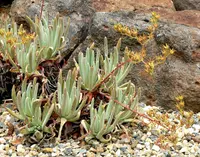
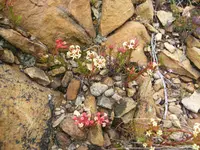
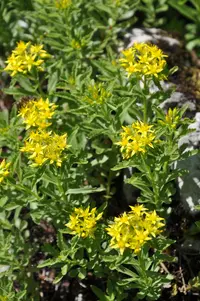
Phedimus selskianus is a low-growing, mat-forming perennial succulent often used as a groundcover in rock gardens and dry borders. It forms dense carpets of small, fleshy leaves that change slightly with the seasons and may produce clusters of star-shaped flowers.

This species is native to rocky, open habitats in parts of Eurasia, where it thrives in well-drained, often poor soils. Its tolerance of drought, sun, and lean substrates makes it a relatively easy plant for beginners, as long as excess moisture is avoided. Understanding how to care for Phedimus selskianus mainly involves providing sharp drainage and avoiding consistently wet conditions.

Main Plant Requirements

Care Difficulty

Easy Care

Light Preference

Full Sun

Water Requirements

Low Water

Temperature Preference

Cold Hardy

Hardiness Zone

4–8

Soil Texture

Sandy, Loamy, Rocky

Soil pH

Slightly acidic (6.5–7.0), Neutral (7.0)

Soil Drainage

Well-drained

Fertilization

Minimal (feed rarely)

Get Personalized Care Plan

Scan your plant to receive care tips personalized for your specific plant

Available on iOS and Android

How to Care for the Phedimus selskianus

This hardy groundcover succulent thrives in full sun but adapts to some shade in hot regions.

  • Provide 6–8 hours of direct sun daily, ideally with morning sun and light afternoon shade in hotter climates to limit leaf scorch.
  • Allow light dappled shade in summer if midday temperatures and sun are intense; foliage may become paler and less compact in deep shade.
  • In cooler seasons, maximize direct light exposure by avoiding shade from shrubs or structures, as low light reduces flowering in Phedimus selskianus.

This drought-tolerant perennial prefers infrequent, deep watering rather than frequent light applications.

  • Water only when the top 3–5 cm of soil feel completely dry, then soak the root zone and let excess drain away.
  • Use sharply drained, gritty soil on slopes or raised areas so water does not pool; persistent wetness causes root rot and yellow, mushy stems.
  • In cool or rainy seasons, watering may be unnecessary; in prolonged heat, slight leaf wrinkling or drooping tips signal the need for a thorough soak.

This cold-hardy succulent copes well with a wide temperature range when planted in open ground.

  • Support active growth with daytime temperatures around 60–75°F (16–24°C); plants tolerate typical outdoor fluctuations without issue.
  • Mature clumps tolerate winter cold down to about -20°F (-29°C) when soil drains well, though foliage dies back and regrowth starts in spring.
  • In hot summers above 90°F (32°C), growth may slow; provide afternoon shade and ensure fast-draining soil to prevent heat-stressed, shriveled leaves.

This succulent shrub is highly tolerant of dry air, so humidity control is rarely important indoors or outdoors.

This species prefers lean, fast-draining mineral soil that mimics rocky, open habitats.

  • Use a gritty mix such as 60% coarse sand or fine gravel with 40% cactus mix or loam to keep roots dry between waterings.
  • Aim for slightly acidic to neutral pH around 6.0–7.0, avoiding strongly acidic or alkaline substrates that can limit nutrient availability.
  • Improve aeration and drainage by blending in perlite or pumice rather than peat-heavy products that hold excess moisture.
  • Avoid compacted clay, waterlogged spots, or thick organic beds where roots stay wet and are prone to rot.

This plant is well suited to container culture on sunny patios, rock gardens, or balconies.

  • Choose a wide, shallow pot so the mat-forming roots can spread while the mix dries quickly between waterings.
  • Select unglazed terracotta if extra evaporation is needed, as it helps prevent the substrate from staying wet too long.
  • Ensure the container is heavy or low-profile so spreading stems do not make it unstable in wind or on raised ledges.

This drought-tolerant succulent needs only light feeding to maintain compact, healthy growth.

  • Apply a balanced, low-strength liquid fertilizer (for example 10-10-10 at 1/4–1/2 label rate) once in mid to late spring.
  • Optionally repeat a single light feeding in midsummer if growth appears weak or foliage pale.
  • Use compost or a slow-release granular fertilizer only in very lean, sandy soils.
  • Stop feeding Phedimus selskianus in late summer so new growth hardens before winter.

Light pruning helps keep Phedimus selskianus dense, tidy, and flowering well.

  • Cut back winter-damaged or dead stems in early spring using clean, sharp scissors or hand pruners.
  • Shear or pinch back leggy, sprawling shoots after flowering to encourage bushier new growth.
  • Remove crowded or crossing stems to improve air flow and reduce the risk of rot in humid conditions.
  • Avoid cutting into very old woody crowns; focus on soft, current-season growth.

This plant is usually grown as a groundcover and only needs transplanting or repotting occasionally.

  • Transplant in spring or early fall when weather is mild and soil is workable.
  • Move clumps when growth becomes crowded, patches thin in the center, or roots circle a container.
  • Lift carefully with a trowel, keeping a shallow root ball intact to limit transplant shock.
  • Replant into gritty, well-drained soil at the same depth, water once, then allow the surface to dry.

Phedimus selskianus is commonly propagated to expand groundcover mats or refresh older plantings.

  • Divide mature clumps in spring or early fall, replanting small sections with roots attached.
  • Take 5–8 cm stem cuttings in late spring, remove lower leaves, and press into gritty, barely moist mix.
  • Provide bright shade and good air flow while cuttings root; avoid overwatering to prevent rot.
  • Seeds can be sown shallowly in spring on well-drained soil and kept lightly moist until germination.

This hardy perennial usually needs minimal winter care in most temperate climates.

  • Established plants tolerate typical frost and snow once rooted in well-drained soil.
  • In colder regions, apply a thin mulch layer after the ground cools to buffer temperature swings.
  • For containers, move pots to a sheltered, unheated spot to reduce freeze–thaw stress on roots.

Care Tips

Encourage Dense Mats

Pinch back or lightly shear stems after flowering to encourage tighter, denser groundcover and reduce gaps where weeds can establish.

Rooting Stem Cuttings

Press healthy, non-flowering stems horizontally onto the soil surface and secure with small wire pins or bent paperclips so nodes contact the soil and root quickly, thickening the planting without buying more plants.

Winter Drainage Check

Before winter, check that planting areas are not in a low spot and, if needed, top-dress with a thin layer of gritty material like fine gravel to keep crowns from sitting in waterlogged soil during freeze–thaw cycles.

Rock Crevice Planting

Tuck small divisions into narrow rock crevices or between paving stones where roots can stay cool and dry while foliage spills over edges, which helps reduce stem rot in wet climates when growing Phedimus selskianus.

Controlled Spreading Edges

Install an edging strip or shallow root barrier at the boundary of beds and paths, then lift and replant any stems that creep past it so the plant forms a defined, tidy mat instead of overtaking nearby areas.

Common Pests and Diseases

Aphids

These insects feed on young stems and leaves, causing distortion, sticky honeydew, and sometimes sooty mold on this low sedum groundcover.

Solution

Rinse colonies off with a firm stream of water, then spot-treat remaining clusters with insecticidal soap or a ready-to-use neem oil product, repeating weekly until new growth appears clean; encourage natural predators such as lady beetles by avoiding broad-spectrum insecticides nearby.

Mealybugs

These pests appear as small white cottony clusters in leaf axils and along stems, weakening plants by sucking sap and stunting new growth in mat-forming clumps.

Solution

Remove visible clusters with a cotton swab dipped in alcohol, then treat the entire planting with insecticidal soap or neem oil, ensuring good coverage of stems and undersides of leaves and repeating every 7–10 days until no new insects are seen.

Spider mites

These pests favor hot, dry conditions on stonecrops and cause fine webbing, stippled foliage, and dull or bronzed leaves, especially in containers or wall plantings with reflected heat.

Solution

Increase humidity around the plants, spray foliage thoroughly with water to knock mites off, and follow with miticidal soap or a horticultural oil labeled for mites, treating both upper and lower leaf surfaces at 5–7 day intervals until damage stops spreading.

Powdery mildew

This disease can develop in dense, slightly shaded clumps with poor air movement and appears as a white to gray powdery coating on leaves, reducing vigor and ornamental value.

Solution

Remove and discard the most affected shoots, improve spacing and air circulation, avoid overhead irrigation late in the day, and, if needed, apply a sulfur or potassium bicarbonate fungicide labeled for powdery mildew at the first sign of new spots.

Leaf spot

Symptoms include scattered brown to black spots on leaves, often starting on older foliage in humid or poorly ventilated sites, which can lead to premature leaf drop on stressed mats.

Solution

Cut back and discard heavily spotted foliage, water at the base to keep leaves dry, improve drainage and airflow around the planting, and use a copper- or chlorothalonil-based fungicide if new spotting continues during wet weather as part of broader Phedimus selskianus care instructions.

Interesting Facts

Siberian riverbank specialist

This species naturally occurs along stony riverbanks and on rocky slopes in eastern Siberia and the Russian Far East, where it forms low, mat-like colonies that stabilize thin, shifting soils.

Summer-deciduous strategy

Unlike many sedums that stay leafy through summer, this plant often retreats to its underground parts in hot or dry weather, then resprouts with cooler, moister conditions.

Cold-hardy succulent foliage

Its fleshy, water-storing leaves tolerate strong temperature fluctuations and survive in regions with very cold winters, which is unusually robust for a small, ground-hugging succulent.

FAQs about Phedimus selskianus

This species forms low, slowly spreading mats through short stems and modest self-seeding. It usually stays where planted, filling gaps between stones or in borders without overwhelming neighboring plants under normal garden conditions.

Grow Healthy Plants with Botan Care

Keep your plants happy and healthy with plant identification, disease detection, and easy care guidance.

Botan plant care app — identify plants on mobile

Explore More Plants