Fragrant Crassula Care (Crassula fascicularis)

Also known as: Fragrant Stonecrop
Fragrant Crassula

About Fragrant Crassula

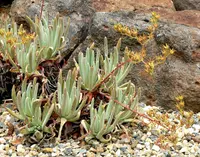
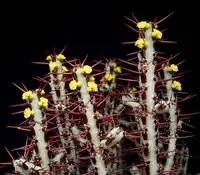
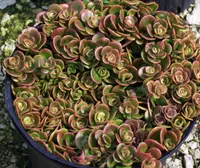
Fragrant crassula (Crassula fascicularis) is a compact succulent shrub from the winter-rainfall regions of South Africa. It forms tight clusters of narrow, upright leaves along slender stems. In season, it produces small, tubular white to cream flowers that are often sweetly scented, giving the plant its common name. The overall look is neat and architectural, making it suitable for containers and rock gardens. This species prefers bright light, very well-drained soil, and infrequent watering, which suits forgetful or busy plant owners. Understanding how to care for Fragrant Crassula mainly involves avoiding excess moisture and providing enough light to prevent weak, stretched growth.

Main Plant Requirements

Care Difficulty

Easy Care

Light Preference

Full Sun

Water Requirements

Low Water

Temperature Preference

Tropical / Frost Sensitive

Hardiness Zone

10–11

Soil Texture

Sandy, Loamy, Rocky

Soil pH

Slightly acidic (6.5–7.0), Neutral (7.0)

Soil Drainage

Well-drained

Fertilization

Minimal (feed rarely)

Get Personalized Care Plan

Scan your plant to receive care tips personalized for your specific plant

Available on iOS and Android

How to Care for the Fragrant Crassula

This compact succulent prefers bright, direct light but benefits from some protection during the hottest hours.

  • Provide 4–6 hours of direct morning sun, then bright filtered light or very light shade in early afternoon, especially in hot, dry climates.
  • Fragrant Crassula tolerates light afternoon shade, but stems may stretch and leaf color fades if grown in less than 4 hours of strong light.
  • In summer, watch for pale, scorched, or crispy leaf tips as a sign of excessive midday sun; in winter, move closer to the brightest window or open exposure to compensate for weaker light.

This species needs infrequent but thorough watering that fully wets the root zone, followed by a dry period.

  • Allow the top 3–5 cm of soil to dry fully before watering again; in warm active growth this may mean roughly every 7–14 days, but always check the soil first.
  • Use very well-drained, gritty soil so Crassula fascicularis does not sit in water; prolonged soggy soil leads to root rot, yellowing, and mushy leaves.
  • In winter or cool weather, extend drying periods, watering only when leaves just begin to soften slightly, and discard any standing water from saucers or outer containers.

This succulent prefers moderate warmth and is sensitive to hard frost and extreme temperature swings.

  • Aim for 65–80°F (18–27°C) during active growth for steady development and compact rosettes.
  • Protect from cold below 40°F (4°C); brief light frost may scar leaves, while sustained freezing can kill roots and stems.
  • In hot spells above 90°F (32°C), provide light afternoon shade and good air movement to limit heat stress, sun scorch, and shriveling of the narrow leaves.

This species handles typical indoor humidity well and rarely needs special adjustments.

  • Aim for 30–50% humidity; standard centrally heated homes are usually adequate for Fragrant Crassula.
  • Excess humidity combined with poor air movement encourages leaf spotting and stem rot.
  • If air is extremely dry and tips shrivel, move the plant away from heating vents rather than misting.

Crassula fascicularis prefers a very free-draining, mineral-rich substrate that dries quickly between waterings.

  • Use a gritty mix such as 50–70% inorganic materials (pumice, perlite, coarse sand) with 30–50% cactus potting mix.
  • Ensure the structure is loose and crumbly so water runs through in seconds, not minutes, after irrigation.
  • Keep pH slightly acidic to neutral, around 6.0–7.0, avoiding strongly alkaline mixes with large amounts of limestone.
  • Avoid dense peat-heavy or clay-based blends that hold water and reduce aeration, as these promote root rot.

This compact succulent is very suitable for container growing.

  • Choose a shallow but wide pot to accommodate its fibrous roots and allow spreading without deep, wet soil pockets.
  • Use unglazed terracotta if extra moisture loss is needed in cool or dim locations to prevent prolonged dampness around roots.
  • Elevate the pot on feet or a stand so drainage holes stay clear and excess water leaves the container rapidly after watering.

This succulent benefits from modest feeding to support compact growth and flowering in active seasons.

  • Use a balanced liquid fertilizer (around 10-10-10) diluted to 25–50% strength for caring for Fragrant Crassula in pots.
  • Apply every 4–6 weeks during spring and summer when growth is active, after watering the soil lightly first.
  • Avoid heavy organic compost; instead use low-salt cactus or succulent formulas that do not build up salts.
  • Stop feeding in fall and winter, or limit to 1 very light application if the plant remains in warm bright indoor conditions.

Pruning Crassula fascicularis is mainly used to keep stems compact and remove weak growth.

  • Plan light pruning in late winter or early spring, before the main growth flush.
  • Remove dead, damaged, or shriveled stems and any crowded shoots that shade the center of the plant.
  • Pinch or cut back leggy tips with clean scissors or small pruners to encourage branching and a fuller cushion shape.
  • After flowering, trim spent flower stalks at the base to direct energy back into leaves and roots.

Crassula fascicularis grows well slightly root-bound and only needs infrequent repotting.

  • Check for roots circling the pot, pushing through drainage holes, or noticeably slowed growth as signs it needs more space.
  • Plan repotting every 2–3 years in late winter or early spring, using a shallow pot with drainage and gritty succulent mix.
  • Water lightly 1–2 days before and after repotting to reduce root stress and help soil settle around the root ball.
  • Handle the root system gently, loosening only the outer roots, and keep the plant slightly shaded for 3–5 days after moving.

New plants are most often raised from stem cuttings, making Crassula fascicularis straightforward to multiply at home.

  • Take 5–8 cm non-flowering stem cuttings in spring or early summer, using a clean sharp blade.
  • Let cut ends dry and callus for 1–3 days to reduce rot risk, then place in barely moist, gritty succulent mix.
  • Provide bright indirect light, warm temperatures around 70–75°F, and very light watering until roots form.
  • Division of small clumps is also possible; separate offsets with intact roots and replant into individual pots.

This succulent dislikes prolonged frost and needs simple winter protection in cool climates.

  • Keep outdoor plants above about 30°F; brief light frost may mark leaves but harder freezes can kill tissue.
  • Move container-grown plants indoors to a bright, cool room before nights drop below freezing.
  • Use a thin layer of coarse grit or gravel around the crown to keep the base drier in wet winter regions.
  • Reduce watering markedly in winter, letting the mix dry well between light drinks to prevent root rot in cold soil.

Care Tips

Rotate For Symmetry

Turn the pot 90° every 2–3 weeks so all sides receive similar light, which keeps the narrow, upright stems evenly spaced and reduces leaning toward the window.

Stabilize Tall Stems

If stems elongate and become top-heavy, group several together with a soft plant tie near the base to prevent snapping and to keep the clump compact and upright.

Use Cool Night Drop

Provide slightly cooler nights (55–60°F) compared to daytime to encourage sturdier growth and more reliable flowering spikes rather than weak, stretched stems.

Controlled Summer Move

If moving the plant outdoors for summer, place it first in bright shade for 7–10 days, then very gradually shift it toward more direct sun to avoid bleaching the slender leaves.

Post-Flower Rejuvenation

After flower spikes fade, trim them off and lightly remove the oldest, bare stems at the base so new shoots receive better light and air, which supports long-term structure when caring for Fragrant Crassula.

Common Pests and Diseases

Mealybugs

This pest commonly settles in leaf axils and along stems, feeding on sap and causing stunted growth and leaf yellowing. Symptoms include cottony white clusters and sticky honeydew on the foliage.

Solution

Remove visible clusters with a cotton swab dipped in 70% isopropyl alcohol, then rinse the plant with a gentle water spray. Isolate the plant, repeat spot treatments weekly until no new insects appear, and improve light and airflow to support recovery when caring for Fragrant Crassula.

Aphids

These insects cluster on young shoots and flower stalks, sucking sap and causing distortion, curling, and sticky honeydew deposits. Sooty mold can develop on the honeydew, dulling the foliage surface.

Solution

Spray the plant with a strong but controlled stream of water to dislodge colonies, then apply insecticidal soap or a neem oil solution to all plant surfaces, including undersides of leaves. Repeat every 5–7 days for several cycles and reduce nitrogen-heavy fertilization that encourages soft, aphid-prone growth.

Spider mites

This pest thrives in warm, dry indoor conditions, causing fine stippling on leaves and a dull, dusty appearance. Symptoms include very fine webbing between stems and leaves and gradual leaf drop under heavy infestation.

Solution

Increase ambient humidity around the plant without keeping the soil wet, then rinse foliage thoroughly under lukewarm water to remove mites and webs. Follow with regular applications of insecticidal soap or neem oil to both upper and lower leaf surfaces, repeating every 4–7 days until new damage stops.

Edema

This disorder occurs when roots absorb water faster than the leaves can transpire, leading to water-soaked blisters that later turn corky or brown. Symptoms include rough, raised spots on older leaves, often after sudden changes in watering or humidity.

Solution

Allow the soil to dry more between waterings, especially in cooler or low-light periods, and ensure the pot has free drainage. Provide bright light, avoid sudden large waterings after a dry spell, and use a well-draining succulent mix to stabilize moisture levels.

Leaf spot

This disease appears as small yellow, tan, or dark spots on leaves that may enlarge, merge, and cause localized tissue death. Symptoms include cosmetic damage and occasional premature leaf drop, especially in plants kept in overly humid, stagnant air conditions.

Solution

Remove and discard affected leaves and any fallen plant material from the soil surface, then improve air circulation and avoid wetting the leaves during watering. If spotting continues to spread, apply a copper-based or sulfur-based fungicide labeled for succulents, following label directions and spacing treatments 7–14 days apart.

Interesting Facts

Native fynbos specialist

This species is naturally restricted to the winter-rainfall fynbos regions of the Western Cape in South Africa, where it grows among rocky slopes with very fast-draining, nutrient-poor soils.

Night-fragrant flowers

The tubular white to cream flowers are delicately scented, with fragrance that tends to be more noticeable in the evening, likely helping attract nocturnal or crepuscular pollinators.

Segmented leaf columns

Its narrow, pointed leaves are tightly packed in tiers along the stems, forming distinctive column-like rosettes that help shade lower tissues and reduce water loss in intense sun.

FAQs about Fragrant Crassula

Lack of flowering often comes from insufficient light, too much nitrogen fertilizer, or very warm, stagnant indoor air. Provide bright conditions, a cooler, drier rest in winter, and avoid heavy feeding to support bud formation.

Grow Healthy Plants with Botan Care

Keep your plants happy and healthy with plant identification, disease detection, and easy care guidance.

Botan plant care app — identify plants on mobile

Explore More Plants