Crassula humbertii Care

Crassula humbertii

About Crassula humbertii

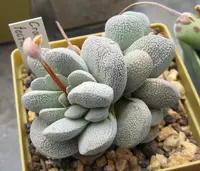
Crassula humbertii is a compact succulent shrub with small, fleshy leaves and a branching, somewhat woody habit. It stays relatively low and forms tidy clumps over time. Native to arid regions of southern Africa, it is adapted to strong light, lean soils, and irregular rainfall. This background makes it well suited to indoor containers and rock garden plantings where drainage is excellent. Growth is generally slow to moderate, and the plant tolerates brief neglect, which reduces the daily attention needed. Those looking to care for Crassula humbertii should focus on bright light, infrequent watering, and a gritty, fast-draining mix.

Main Plant Requirements

Care Difficulty

Easy Care

Light Preference

Full Sun

Water Requirements

Low Water

Temperature Preference

Tropical / Frost Sensitive

Hardiness Zone

10–11

Soil Texture

Sandy, Loamy, Rocky

Soil pH

Slightly acidic (6.5–7.0), Neutral (7.0)

Soil Drainage

Well-drained

Fertilization

Minimal (feed rarely)

Get Personalized Care Plan

Scan your plant to receive care tips personalized for your specific plant

Available on iOS and Android

How to Care for the Crassula humbertii

This compact succulent prefers bright, gentle sun that mimics open, rocky habitats.

  • Provide 4–6 hours of direct morning sun with bright, indirect light the rest of the day; shield from harsh midday and late afternoon sun, especially in hot summers.
  • Tolerates light partial shade, but growth becomes more open and leaves may lose color if light is below roughly 3–4 hours of strong brightness daily.
  • In strong summer sun, use filtered light or light shade cloth to prevent leaf scorch; in winter, move Crassula humbertii to the brightest frost-free position available.

Watering should stay on the dry side to protect this succulent’s fleshy roots and leaves.

  • Allow the top 3–5 cm of soil to dry fully before watering; in very fast-draining gritty soil, the entire root zone should approach dry between waterings.
  • Water more frequently in warm, active growth periods and much less in winter; slightly wrinkling leaves indicate thirst, while mushy, translucent leaves signal overwatering.
  • Use sharply draining soil with a high mineral content and avoid water pooling; never leave the root zone in standing water to reduce rot risk for Crassula humbertii.

This species prefers warm, dry conditions with protection from frost and extreme heat.

  • Aim for 65–80°F (18–27°C) during active growth, with cooler but still frost-free conditions at 55–65°F (13–18°C) in winter rest periods.
  • Protect from temperatures below 32°F (0°C); brief dips just above freezing may be tolerated but can cause scarring and tissue damage, especially in young growth.
  • In hot spells above 90°F (32°C), increase airflow and provide light shade to prevent heat stress, leaf shriveling, and accelerated soil drying.

This species handles typical indoor humidity well, so moisture in the air is rarely a concern.

This succulent needs a very fast-draining, mineral-based mix to protect its fine roots from rot.

  • Use a gritty, sandy mix such as 50–70% inorganic material (pumice, perlite, coarse sand) with 30–50% cactus potting mix.
  • Aim for slightly acidic to neutral pH around 6.0–7.0, avoiding strongly acidic or alkaline substrates.
  • Ensure the mix feels loose and crumbly; break up clumps and avoid peat-heavy soils that stay wet for long periods.
  • For heavy commercial mixes, blend in extra pumice or small lava rock to improve aeration and rapid drainage around the root zone.

This species is well suited to container growing, especially in small, shallow pots that dry quickly.

  • Choose a wide, low pot so the shallow root system can spread while the mix dries evenly between waterings.
  • Select unglazed terracotta if extra moisture loss is needed in humid or cool climates to prevent prolonged wetness.
  • Place the pot where excess water can drain away freely, preventing any contact between the drainage holes and standing water in saucers or cachepots.

This compact succulent has low nutrient needs but benefits from light feeding in active growth.

  • Use a balanced liquid fertilizer (around 10-10-10) diluted to 25–50% strength for Crassula humbertii in spring and summer.
  • Apply every 4–6 weeks during the main growing season if the plant is actively producing new stems and leaves.
  • Skip feeding in winter or when growth slows, as excess nutrients can cause weak, stretched growth.
  • Avoid heavy compost or rich slow-release pellets that hold moisture, which can raise rot risk in the root zone.

Pruning is mainly used to maintain shape and remove weak growth on this small succulent.

  • Carry out light pruning in late winter or early spring before strong new growth begins.
  • Use clean, sharp scissors or pruning snips to remove dead, damaged, or shriveled stems and leaves.
  • Shorten overly long or leggy stems to encourage a denser, more compact shape and branching.
  • Avoid cutting into thick, woody bases; leave some healthy nodes so trimmed stems can reshoot.

This species grows slowly and tolerates being slightly root bound in small containers.

  • Check for roots circling the pot, slow growth in good light, or rapid drying soil as signs it may need a larger container.
  • Plan to repot every 2–3 years in late winter or early spring, just before new growth starts.
  • Move Crassula humbertii only 1 pot size up using a gritty, fast-draining succulent mix with drainage holes.
  • Gently loosen circling roots, keep the root ball mostly intact, and water lightly after repotting to limit transplant stress.

This plant is commonly multiplied from stem or leaf cuttings rather than seeds in home settings.

  • Take short, firm stem cuttings or healthy leaves in late spring or early summer when growth is active.
  • Allow cut ends to dry and callus for 1–3 days to lower the risk of rot in the propagation medium.
  • Place cuttings on or in a barely moist, gritty mix, then keep in bright, indirect light with good air movement.
  • Water sparingly until roots form; once new growth appears, shift to standard Crassula humbertii care instructions.

This succulent is not very cold tolerant and needs protection from freezing conditions in most climates.

  • Keep temperatures above 40°F; prolonged exposure near or below freezing can damage leaves and stems.
  • Move container plants indoors or into an unheated but frost-free space with bright light during winter.
  • Water very lightly, allowing soil to dry almost completely between sips to avoid cold, wet roots.
  • Avoid drafts from single-glazed windows or doors that can cause localized chilling and tissue damage.

Care Tips

Rotate For Symmetry

Turn the pot 90° every 2–3 weeks so stems thicken evenly and the plant does not lean or twist toward a single light source.

Strategic Stem Pinching

Pinch or cut soft tips above a pair of leaves in spring or early summer to encourage low, branching growth and prevent overly long, weak shoots.

Targeted Pest Checks

Inspect stem joints and leaf undersides monthly with a hand lens, and isolate the plant for treatment at the first sign of mealybugs or scale to prevent colony buildup in tight crevices.

Controlled Pot Sizing

Use only a slightly larger pot when repotting, as modest root space helps keep growth compact and reduces the risk of roots sitting too long in moist substrate.

Dry Rest Management

In winter, allow a longer dry interval between waterings and keep the plant in a bright, cool position to support its natural semi-dormant phase and improve long‑term success when growing Crassula humbertii.

Common Pests and Diseases

Mealybugs

This pest feeds on succulent leaves and stems, often hiding in tight crevices and along the nodes. Symptoms include white cottony clusters, sticky honeydew, and slowed growth.

Solution

Remove visible insects with a cotton swab dipped in 70% isopropyl alcohol, then rinse the plant with a gentle water spray and let it dry thoroughly. For ongoing Crassula humbertii care, isolate the plant, repeat alcohol spot-treatments weekly for 3–4 weeks, and improve light and airflow to reduce reinfestation risk.

Soft scale

These insects appear as small, tan to brown bumps along stems and leaf undersides, where they suck sap. Symptoms include sticky residue, sooty mold growth, and gradual decline in vigor.

Solution

Gently scrape or wipe off adults with a cotton swab or soft cloth dipped in dilute alcohol, then wash the plant with lukewarm water. Keep the plant separate from others, repeat inspections weekly, and use a horticultural soap or oil spray labeled for succulents if new crawlers continue to appear.

Aphids

These insects cluster on new growth and flower stalks, extracting sap from tender tissues. Symptoms include distorted new leaves, sticky honeydew, and possible attraction of ants.

Solution

Rinse the plant under a firm but controlled stream of water to dislodge colonies, repeating every few days until populations drop. If needed, apply an insecticidal soap solution to the affected areas, avoid strong sun for 24 hours after treatment, and limit high-nitrogen fertilizer that encourages soft, aphid-prone growth.

Edema

This disorder occurs when roots take up water faster than leaves can transpire it, causing cells to burst. Symptoms include corky, raised spots or blister-like patches on leaves, often after sudden changes in moisture or temperature.

Solution

Allow the potting mix to dry more between waterings, use a very free-draining succulent mix, and avoid leaving the plant in water-filled saucers. Provide strong light, stable temperatures, and moderate, consistent watering rather than large, infrequent soakings.

Fungal leaf spots

This disease develops under prolonged humidity or poor airflow, causing small dark spots that may enlarge and coalesce on leaves. Symptoms include localized discoloration, occasional yellow halos, and premature leaf drop on lower, shaded parts of the plant.

Solution

Remove and discard affected leaves, then improve air circulation and avoid overhead watering or water sitting on leaves. Allow the soil surface to dry between waterings, and if spotting continues, apply a succulent-safe fungicide according to label directions while maintaining brighter light and drier leaf surfaces.

Interesting Facts

Madagascar rock specialist

This species is naturally restricted to rocky habitats in Madagascar, usually rooting in shallow crevices where only a thin layer of gritty substrate accumulates.

Miniature shrubby habit

Unlike many flat-leaved Crassula, this plant forms a compact, branched subshrub with tiny opposite leaves tightly spaced along the stems, an adaptation that helps reduce water loss in its dry native environment.

Rainfall-triggered growth

In habitat it experiences strongly seasonal rainfall, so its main active growth usually follows wet periods, with the plant remaining relatively compact and conservative during extended dry spells, a pattern that informs correct Crassula humbertii care instructions under cultivation.

FAQs about Crassula humbertii

This species adapts to both, but performs best outdoors in bright, dry, frost-free conditions. Indoors it stays smaller and needs strong light and very well-drained soil. Outdoor growth is usually denser and more compact in suitable climates.

Grow Healthy Plants with Botan Care

Keep your plants happy and healthy with plant identification, disease detection, and easy care guidance.

Botan plant care app — identify plants on mobile

Explore More Plants