Segmented repotting
When stems become long and tangled, cut and root the healthiest segments in a fresh pot, spacing them 2–3 in apart to create a denser, more compact plant over time.

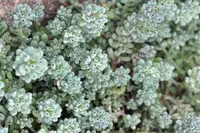
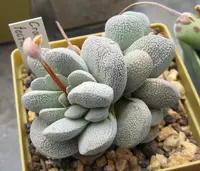
Graptopetalum pachyphyllum is a compact, clump-forming succulent known for its short, chubby leaves that range from blue-green to pinkish under strong light. Stems gradually trail or sprawl, making it suitable for containers, rock gardens, and hanging planters.
This species is native to arid, rocky areas of Mexico, where it has adapted to strong sun, good drainage, and infrequent rainfall. These traits make it relatively forgiving for beginners, as long as excess moisture is avoided.
In general, it prefers bright light, low to moderate watering, and gritty, fast-draining soil, which guides how to care for Graptopetalum pachyphyllum in home conditions.

Care Difficulty
Easy Care

Light Preference
Full Sun

Water Requirements
Low Water

Temperature Preference
Warm Climate

Hardiness Zone
9–11

Soil Texture
Sandy, Loamy, Rocky

Soil pH
Slightly acidic (6.5–7.0), Neutral (7.0)

Soil Drainage
Well-drained

Fertilization
Minimal (feed rarely)
Scan your plant to receive care tips personalized for your specific plant
Available on iOS and Android
This succulent needs bright light to maintain compact, colorful growth and firm leaves.
Watering should mimic a dry, rocky habitat with deep but infrequent soaking.
Stable, warm to hot conditions support strong growth and reduce stress on this succulent.
This species tolerates typical indoor humidity and prefers relatively dry air conditions.
This succulent needs a very fast-draining, gritty substrate that dries quickly between waterings.
This species is well suited to growing in containers, including shallow dishes and bowls.
This succulent has modest feeding needs but responds well to light nutrition during active growth.
Pruning is mainly cosmetic and health-focused for this compact succulent.
Repotting is infrequent but helpful when the plant becomes rootbound or the soil degrades.
This species is commonly propagated for new plants or to refresh older, leggy clumps.
Cold tolerance is limited, so winter care focuses on keeping tissue dry and above freezing.

Plant Health Check
Not sure what's wrong with your plant? Check your plant's health inside the app.
This species develops short, cylindrical, bead-like leaves that swell with stored water, an adaptation to the arid, rocky habitats of north-central Mexico where it naturally occurs.
Its glaucous blue-green leaves can turn pink to red on the tips when exposed to high light and mild drought stress, due to increased production of protective pigments called anthocyanins.
Instead of forming a single tight rosette, this plant produces many small rosettes along creeping or slightly trailing stems, allowing it to slowly spread and drape over rocks or pot edges in cultivation.
Leggy, stretched growth usually results from insufficient light, especially indoors. Stems elongate as the plant reaches for brighter conditions. Rotate pots regularly and move slightly closer to a bright window to maintain compact rosettes.
Keep your plants happy and healthy with plant identification, disease detection, and easy care guidance.