Aeonium hierrense Care

Aeonium hierrense

About Aeonium hierrense

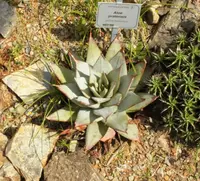
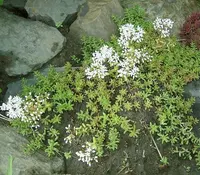
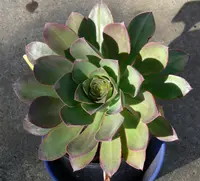
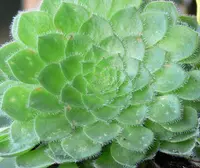
Aeonium hierrense is a rosette-forming succulent shrub from El Hierro in the Canary Islands. It grows on rocky slopes and cliffs in a mild, dry climate. The plant forms large open rosettes with pointed leaves that can show attractive color changes depending on sun exposure and season. Stems become woody with age, giving it a more architectural shape. This species is relatively easy to grow if kept in bright light, low to moderate moisture, and sharply draining soil. Understanding how to care for Aeonium hierrense helps prevent problems related to overwatering and low light, especially in indoor or container conditions.

Main Plant Requirements

Care Difficulty

Moderate Care

Light Preference

Full Sun

Water Requirements

Low Water

Temperature Preference

Tropical / Frost Sensitive

Hardiness Zone

10–11

Soil Texture

Sandy, Loamy, Rocky

Soil pH

Slightly acidic (6.5–7.0), Neutral (7.0)

Soil Drainage

Well-drained

Fertilization

Minimal (feed rarely)

Get Personalized Care Plan

Scan your plant to receive care tips personalized for your specific plant

Available on iOS and Android

How to Care for the Aeonium hierrense

This Canary Islands succulent prefers bright, direct sun with some protection during extreme heat.

  • Provide 6–8 hours of sun daily, ideally with strong morning sun and light afternoon shade in hotter climates to prevent leaf scorch.
  • In mild coastal or temperate zones, Aeonium hierrense can tolerate full sun all day, but in very hot inland areas use filtered light during 12–4 pm.
  • If rosettes stretch, lose color, or lean strongly toward windows or openings, light is too low; move to a brighter, sunnier position.

This species stores water in its leaves and needs infrequent but thorough watering in well-drained soil.

  • Water only when the top 3–5 cm of soil are completely dry; in active growth this may mean every 7–14 days, less often in cool seasons.
  • Use very free-draining, gritty soil so water runs through quickly, reducing the risk of root rot and stem collapse from overwatering.
  • Wrinkling or soft, folding leaves suggest underwatering, while yellowing, mushy, or translucent lower leaves indicate excess moisture and poor drainage.

This succulent prefers mild conditions and does best without hard frost or extreme heat.

  • Aim for 60–75°F (16–24°C) for active growth, with slightly cooler nights; this range supports strong rosette formation.
  • Tolerates brief dips to about 32°F (0°C), but repeated frost damages leaves and stems, so provide cover or move containers under shelter.
  • Heat above 90°F (32°C), especially with strong sun, can cause stress; give afternoon shade and avoid hot reflective surfaces during heatwaves.

This succulent tolerates typical indoor humidity and usually does not need special humidity management.

Aeonium hierrense performs best in a sharply draining, mineral-rich mix that prevents water from sitting around the roots.

  • Use a gritty, sandy mix, such as cactus potting soil blended 1:1 with coarse pumice, perlite, or horticultural grit.
  • Aim for a structure that is loose and crumbly, never compacted, so air can move freely through the root zone.
  • Keep pH slightly acidic to neutral, around 6.0–7.0, which suits most commercial cactus and succulent mixes.
  • Avoid heavy garden soil, high-peat mixes, or any substrate that stays wet for more than 2–3 days after watering.

This species is well suited to container growing outdoors or in bright indoor locations.

  • Choose a wide, low pot to accommodate the shallow, spreading root system and the top-heavy rosette without tipping.
  • Prefer unglazed terracotta if extra moisture loss is needed, or glazed/stone containers in very hot, dry climates to slow drying.
  • Raise the pot slightly on feet or bricks so drainage holes stay clear and water cannot pool under the container.

This succulent needs only light feeding to maintain compact, healthy growth.

  • Use a balanced, low-nitrogen cactus or succulent fertilizer (diluted to 25–50% strength).
  • Feed Aeonium hierrense every 4–6 weeks in active growth, typically late winter to early summer.
  • Skip or greatly reduce feeding during summer dormancy and cool, low-light winter conditions.
  • Avoid rich compost or heavy slow-release pellets that keep soil wet and encourage weak, leggy growth.

Pruning is mainly used to keep the rosettes tidy and prevent the plant from becoming too leggy.

  • Best time is late winter to early spring, before strong new growth starts.
  • Remove dead, damaged, or shriveled leaves from the lower rosettes with clean fingers or scissors.
  • Shorten overly long, bare stems to a node to encourage branching and a fuller shape in Aeonium hierrense.
  • Always use clean, sharp scissors or pruning snips and allow cut surfaces to dry before watering.

Container-grown plants benefit from occasional repotting to refresh the fast-draining substrate.

  • Repot every 2–3 years, or when roots circle the pot base, drainage slows, or growth declines.
  • Choose late winter to early spring, just before vigorous growth, for lowest stress on Aeonium hierrense.
  • Use a shallow pot with large drainage holes and a gritty cactus mix to keep roots aerated.
  • Lift gently, loosen circling roots slightly, replant at the same depth, then water lightly after a few days of recovery.

This species is usually propagated from stem cuttings rather than by division or seed in home culture.

  • Take 5–10 cm stem cuttings with a rosette in late winter or spring, using a clean, sharp blade.
  • Let cuttings dry for several days until a firm callus forms over the wound.
  • Insert into a dry, gritty cactus mix and keep in bright, indirect light with 60–70°F temperatures.
  • Mist very lightly until roots form, then begin sparse watering as new growth appears on Aeonium hierrense.

Cold sensitivity means plants in most climates need some level of winter protection.

  • Aeonium hierrense is damaged near 32°F and should be overwintered above 35–40°F.
  • Move containers indoors or into a frost-free greenhouse before the first freeze.
  • Place in the brightest possible spot indoors, with minimal but consistent airflow.
  • Keep soil almost dry, watering sparingly to avoid root rot in cool conditions.

Care Tips

Rotate For Symmetry

Turn the pot 90° every 1–2 weeks during active growth so the rosette develops evenly and the trunk does not lean toward the strongest light source.

Control Rosette Height

Pinch or cut the main growing point in late spring when the plant is actively growing to encourage branching and a more compact, multi-headed form rather than a single tall, top-heavy stem.

Top‑Dress Instead Of Repotting

Instead of frequent repotting, remove the top 1–2 cm of old mix each spring and replace it with fresh, gritty substrate to renew nutrients and structure without disturbing the shallow root system.

Seasonal Rest Management

In hot, dry summers, allow a light rest period by slightly reducing water and avoiding repotting or heavy pruning, then resume normal growth support in cooler seasons to align with its natural growth cycle when growing Aeonium hierrense.

Storm And Wind Protection

If grown outdoors, move containers to a sheltered spot before strong winds or heavy rain, or wedge the pot inside a heavier cachepot, to prevent tall, brittle stems from snapping at the base.

Common Pests and Diseases

Mealybugs

This pest commonly hides in leaf rosettes and along stems, sucking sap and causing yellowing, distortion, and sticky honeydew. Symptoms include cottony white clusters in the crown and at the base of leaves, especially on stressed plants in dry indoor or balcony conditions.

Solution

Isolate the plant, then dab visible insects with cotton swabs dipped in 70% isopropyl alcohol and repeat weekly until gone. Improve light and air movement, avoid overfertilizing, and if populations are high, use a ready-to-use insecticidal soap or horticultural oil, making sure to reach deep into the rosette while keeping the soil surface as dry as possible.

Aeonium leaf aphids

These insects cluster on tender new growth and flower stalks, causing curling, stunted rosettes, and sticky honeydew that can attract sooty mold. Infestations are most common on outdoor plants grown in mild, dry climates where aeoniums are used in rock gardens or containers.

Solution

Rinse colonies off with a strong but controlled stream of water, focusing on the undersides of young leaves and any inflorescences. For persistent populations, apply insecticidal soap or a light horticultural oil in the early morning, and remove heavily infested flower stems to reduce reinfestation and support healthy growing Aeonium hierrense plants.

Snails and slugs

This pest chews irregular holes in leaves and can destroy young rosettes, especially on plants grown outdoors in the ground or in low containers. Symptoms include shredded leaf edges, missing tissue, and slime trails on or around the plant.

Solution

Hand-pick snails and slugs in the evening or early morning and remove hiding places such as dense groundcover near the pot. If damage continues, use iron phosphate slug pellets around but not touching the plant and raise containers or use copper barriers to make access more difficult.

Fungal leaf spots

This disease appears as small brown or black spots on leaves, sometimes with a yellowish halo, often starting on older or lower leaves of dense rosettes. Humid, stagnant air and overhead watering that leaves moisture trapped in the rosette increase the risk.

Solution

Remove and discard affected leaves and avoid wetting the foliage, especially late in the day. Improve airflow, space plants so rosettes are not touching, and if spotting continues, apply a sulfur or copper-based fungicide labeled for ornamental succulents, following label directions carefully.

Crown rot

This disease causes the central rosette to collapse and turn brown or black and mushy, often starting where water has pooled in the crown for long periods. Symptoms include sudden wilting of the entire rosette even though the soil may not appear very wet on the surface.

Solution

At the first sign, cut away and discard all soft, rotting tissue and allow the remaining firm parts to dry thoroughly in bright, dry conditions. Adjust care by using a fast-draining gritty mix, watering at the soil level only, and protecting the rosette from frequent rain or overhead irrigation to prevent water from sitting in the crown.

Interesting Facts

El Hierro island endemic

This species occurs naturally only on the Canary Island of El Hierro, where it grows on rocky slopes and cliffs in dry, open habitats influenced by Atlantic trade winds.

Striking pachycaul stem

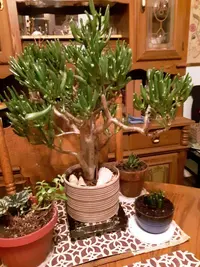
Mature plants develop a thick, woody trunk that stores water and supports a large, rounded crown of rosettes, giving the plant a small tree-like form in its native habitat.

Seasonal leaf display

The rosettes can show strong seasonal color changes, with greener leaves in cooler, moister periods and more reddish or bronzed tones under high light and drought, which is useful for growing Aeonium hierrense in cultivation.

Botan icon

Did you know?

Aeonium hierrense forms part of the Canary Island aeonium radiation, a classic example in plant evolutionary studies where a single ancestral lineage diversified into many distinct species adapted to different islands and microhabitats.

FAQs about Aeonium hierrense

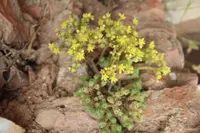
This species usually flowers only once when mature, often after several years. Lack of bloom is normal in young plants. Crowding, recent repotting, or strong stress can also delay flowering until conditions stabilize.

Grow Healthy Plants with Botan Care

Keep your plants happy and healthy with plant identification, disease detection, and easy care guidance.

Botan plant care app — identify plants on mobile

Explore More Plants