Rotate For Symmetry
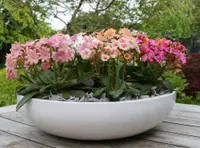
Turn the pot 90° every 2–3 weeks so rosettes develop evenly and leaves stay balanced instead of stretching toward a single light source.

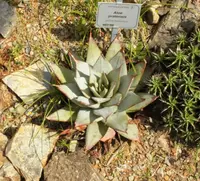
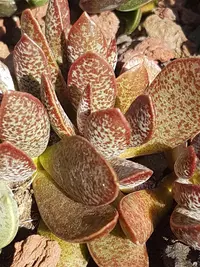
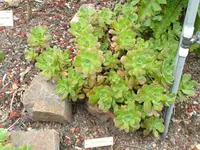
Meadow aloe (Aloe pratensis) is a small, clumping succulent known for its narrow, often spotted leaves arranged in low rosettes. The foliage may take on reddish tones in strong light, adding ornamental value in pots and rock gardens. This species is native to South Africa, where it grows in open, sunny habitats with well-drained soils. Aloe pratensis tends to grow slowly but steadily, staying compact and manageable for indoor collections. It is generally straightforward to grow as long as excess moisture is avoided and light is sufficient. These traits make it a reasonable choice for those learning how to care for Meadow Aloe without complex maintenance routines.

Care Difficulty
Easy Care

Light Preference
Full Sun

Water Requirements
Low Water

Temperature Preference
Tropical / Frost Sensitive

Hardiness Zone
10–11

Soil Texture
Sandy, Loamy, Rocky

Soil pH
Slightly acidic (6.5–7.0), Neutral (7.0)

Soil Drainage
Well-drained

Fertilization
Minimal (feed rarely)
Scan your plant to receive care tips personalized for your specific plant
Available on iOS and Android
Aloe pratensis needs bright, dry conditions that mimic open, sunny habitats.
Aloe pratensis stores water in its leaves and prefers infrequent, thorough watering.
This species prefers warm, dry air with mild temperature swings between day and night.
This species prefers dry air and does not need extra humidity indoors.
This species needs fast-draining, mineral-rich substrate that dries quickly between waterings.
This aloe is well suited to container culture when drainage and pot choice are managed carefully.
This drought-adapted succulent needs modest feeding to support steady growth in containers.
Pruning Aloe pratensis focuses on hygiene and maintaining a tidy rosette shape.
Container-grown plants benefit from periodic repotting to maintain root health and stable growth.
Propagation is commonly done from offsets, with seeds mainly used by experienced growers.
This species is not reliably frost hardy and benefits from careful winter handling in most climates.

Plant Health Check
Not sure what's wrong with your plant? Check your plant's health inside the app.
This species typically forms compact rosettes around 20–30 cm across, but its branched inflorescences can rise well above the leaves and carry many small tubular flowers in tight clusters.
Aloe pratensis is native to grassland and open scrub habitats, where it grows in well-drained, often rocky soils and experiences strong light and seasonal dryness.
Compared with many other Aloe species, Aloe pratensis shows somewhat better tolerance of cool, dry conditions, as long as the roots remain well drained and the soil does not stay wet in cold weather.
Lack of flowering usually comes from insufficient maturity, light, or seasonal temperature contrast. This species often needs several years, strong sun, cool but frost-free winters, and modest stress before producing its tall flower spikes.
Keep your plants happy and healthy with plant identification, disease detection, and easy care guidance.