Rotate For Symmetry
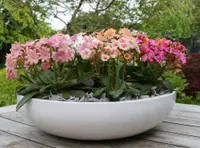
Rotate the pot by 90° every 2–3 weeks so the rosettes receive even light from all sides and develop a balanced, upright form instead of leaning toward the window.

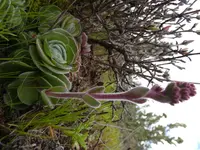
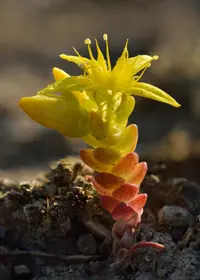
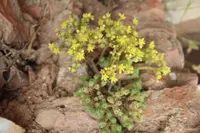
Furry stonecrop (Crassula tomentosa) is a compact, rosette-forming succulent from arid regions of South Africa. It stores water in its thick, velvety leaves. The leaves are stacked in layers along a short stem, often with scalloped edges and a soft gray-green surface that helps reduce water loss. Mature plants may produce tall flower spikes with small, star-like blooms. This species stays relatively small, which suits windowsills and small indoor displays. It prefers bright light, infrequent watering, and gritty, fast-draining soil. With these conditions, care for Furry Stonecrop is manageable for most indoor succulent growers.

Care Difficulty
Moderate Care

Light Preference
Partial Sun

Water Requirements
Low Water

Temperature Preference
Tropical / Frost Sensitive

Hardiness Zone
10–11

Soil Texture
Sandy, Loamy, Rocky

Soil pH
Slightly acidic (6.5–7.0), Neutral (7.0)

Soil Drainage
Well-drained

Fertilization
Minimal (feed rarely)
Scan your plant to receive care tips personalized for your specific plant
Available on iOS and Android
This compact succulent thrives in bright, dry conditions with several hours of direct light each day.
This species stores water in its leaves and needs careful, infrequent watering to avoid root problems.
This succulent prefers warm, dry air and does not tolerate prolonged cold or frost.
Crassula tomentosa manages well in typical indoor humidity, so moisture in the air is rarely a limiting factor.
Crassula tomentosa thrives in a fast-draining, mineral-rich mix that prevents water from lingering around the roots.
This species is well suited to container growing when the pot is chosen to control moisture and support its rosette form.
Crassula tomentosa is a light feeder, so modest, diluted nutrients are enough for healthy growth.
Crassula tomentosa needs only light pruning to maintain a compact, healthy rosette form.
This slow-growing succulent prefers slightly tight pots and infrequent repotting.
Crassula tomentosa is commonly propagated from leaf or stem cuttings under warm, bright, and dry conditions.
This succulent is frost sensitive and benefits from careful winter protection in most climates.

Plant Health Check
Not sure what's wrong with your plant? Check your plant's health inside the app.
The leaves are densely covered in short hairs that create a soft, felted surface, which helps reduce water loss and protects the tissue from intense solar radiation in its arid native habitats.
Leaf pairs are arranged in tight, opposite ranks that stack into a geometric rosette, a growth form that shades the lower stem and helps channel scarce moisture toward the root zone.
In the wild, this species is often found on rocky slopes and quartz-rich soils in South Africa, where light-colored stones around the roots help reflect heat and reduce temperature stress on the plant.
Brown leaves usually result from underwatering, strong direct sun scorch, or past overwatering that damaged roots. Check the root system, adjust watering rhythm, remove dead tissue, and provide bright but softened light to prevent further tissue damage.
Keep your plants happy and healthy with plant identification, disease detection, and easy care guidance.