Trim for density
Lightly pinch back 1–2 cm of soft stem tips a few times per year to keep the plant compact, encourage denser branching, and reduce the chance of leggy, weak growth.

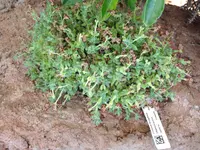
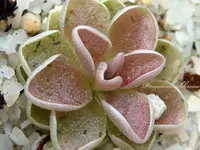
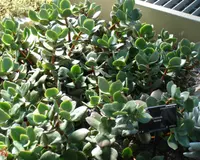
Crassula lanuginosa is a small, low-growing succulent from South Africa, valued for its compact habit and dense, fuzzy leaves. The foliage often shows red edges, especially in bright light, giving the plant a distinctive look.
It typically forms mats or small mounds, making it suitable for pots, shallow dishes, and mixed succulent plantings. Its slow to moderate growth and tidy shape make it easy to place on windowsills or small shelves.
This species prefers bright light, well-drained soil, and infrequent watering, which keeps the roots healthy and reduces rot risk. For beginners learning how to care for Crassula lanuginosa, its drought tolerance and simple needs usually make it a forgiving choice.

Care Difficulty
Easy Care

Light Preference
Partial Sun

Water Requirements
Low Water

Temperature Preference
Tropical / Frost Sensitive

Hardiness Zone
10–11

Soil Texture
Sandy, Loamy, Rocky

Soil pH
Slightly acidic (6.5–7.0), Neutral (7.0)

Soil Drainage
Well-drained

Fertilization
Minimal (feed rarely)
Scan your plant to receive care tips personalized for your specific plant
Available on iOS and Android
This compact succulent prefers bright, indirect light with some direct sun to color up well.
As a succulent, this plant stores water in its leaves and prefers thorough but infrequent watering.
This species prefers mild, stable temperatures and has low tolerance for frost.
This succulent handles typical indoor humidity well, so moisture in the air is rarely a concern.
This species needs a very fast-draining, mineral-rich mix to protect its roots from rot.
This species is well suited to container growing when drainage and root space are managed carefully.
This compact succulent benefits from modest feeding during active growth but remains sensitive to excess salts.
Light pruning helps maintain dense, tidy growth and prevents stems from becoming overly leggy.
Repotting keeps the root system healthy and supports stable growth in container-grown plants.
This species responds well to vegetative propagation under warm, bright, and dry-leaning conditions.
Cold temperatures can damage this succulent, so winter management focuses on frost avoidance and drier soil.

Plant Health Check
Not sure what's wrong with your plant? Check your plant's health inside the app.
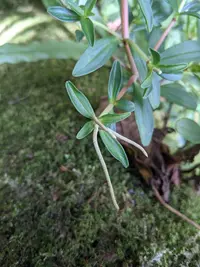
This species has small, flattened leaves covered with fine hairs, giving them a velvety texture that helps reduce water loss and protect tissues from intense sun in its native habitats of South Africa and Lesotho.
Leaf color can shift from soft green to reddish or brownish tones along the margins when exposed to high light and cooler temperatures, a response linked to increased production of protective pigments called anthocyanins.
It naturally forms low, spreading mats with trailing stems that root at nodes, an adaptation that allows it to stabilize shallow, rocky substrates and quickly occupy small pockets of suitable soil.
This species does well both indoors and outdoors, provided it has bright light, sharp drainage, and protection from hard frost. In colder climates it is usually grown in pots and moved under cover during winter.
Keep your plants happy and healthy with plant identification, disease detection, and easy care guidance.