Crassula natalensis Care

Crassula natalensis

About Crassula natalensis

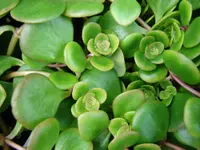
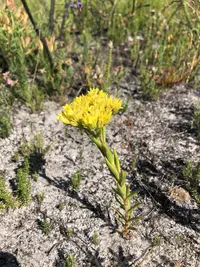
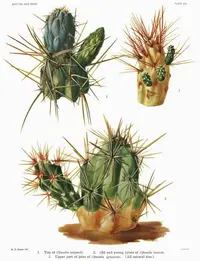
Crassula natalensis is a compact succulent from South Africa, valued for its low, branching habit and fleshy, often reddish-tinted leaves. It forms small clumps or mats, making it suitable for containers and rock gardens.

In habitat it grows in sunny, well-drained, often rocky sites, adapted to periods of drought and strong light. Its slow growth, modest size, and water-storing leaves make it relatively easy to manage indoors or outdoors in mild climates.

This species prefers bright light, infrequent watering, and gritty soil that dries between waterings. These traits influence how to care for Crassula natalensis and make it a good choice for growers who sometimes forget to water.

Main Plant Requirements

Care Difficulty

Easy Care

Light Preference

Full Sun

Water Requirements

Low Water

Temperature Preference

Tropical / Frost Sensitive

Hardiness Zone

10–11

Soil Texture

Sandy, Loamy, Rocky

Soil pH

Slightly acidic (6.5–7.0), Neutral (7.0)

Soil Drainage

Well-drained

Fertilization

Minimal (feed rarely)

Get Personalized Care Plan

Scan your plant to receive care tips personalized for your specific plant

Available on iOS and Android

How to Care for the Crassula natalensis

This compact South African succulent prefers bright, indirect light with some direct sun for best color and growth.

  • Provide 4–6 hours of gentle morning sun or late-afternoon sun, with bright shade or filtered light during the harshest midday period.
  • It tolerates light, dappled shade, but growth becomes sparse and leaves stretch or pale if light drops below about 3–4 hours of bright exposure.
  • Crassula natalensis grown outdoors benefits from more sun in winter and slight protection from intense summer sun to prevent leaf scorch or brown patches.

Watering should mimic its native dry spells, allowing the soil to dry well between soakings.

  • Wait until the top 3–5 cm (1–2 in) of soil are completely dry, then water thoroughly so excess drains away from the root zone.
  • In spring and summer, drying may take 5–14 days depending on heat and soil; in cooler autumn and winter conditions, intervals often lengthen to several weeks.
  • Shriveling, soft leaves indicate underwatering, while yellowing, mushy leaves or a sour soil smell suggest overwatering and poor drainage around Crassula natalensis roots.

This species prefers warm, stable conditions and does not tolerate frost.

  • Aim for 65–80°F (18–27°C) during active growth, as this range supports steady metabolism and healthy leaf development.
  • It can handle short heat spikes up to about 90–95°F (32–35°C) if shaded and kept slightly drier to reduce stress.
  • Growth slows below 55°F (13°C); prolonged exposure near 40°F (4°C) can damage tissues, and freezing temperatures cause severe injury or death.

This succulent handles typical indoor humidity but prefers a moderately dry range.

  • Aim for 30–50% humidity, similar to most heated or air-conditioned homes.
  • Dry air is tolerated, but persistent levels below 25% may cause leaf tip browning and shriveling.
  • If air is very dry, group plants together or place the pot on a pebble tray, keeping the pot base above the water line.

Soil for Crassula natalensis must be fast-draining and airy to protect its fleshy roots from rot.

  • Use a gritty, sandy mix such as 50–60% cactus mix blended with mineral materials like pumice, perlite, or coarse sand.
  • Aim for slightly acidic to neutral pH, around 6.0–7.0, which supports nutrient availability without stressing roots.
  • Ensure the structure stays loose; avoid heavy loam, unamended garden soil, or dense peat that compacts and holds water.
  • For containers, test drainage by watering and confirming excess drains within seconds, not minutes, and adjust with more mineral grit if needed.

This species is well suited to container growing, both indoors and outdoors in mild climates.

  • Choose a pot only 2–4 cm wider than the root ball to limit excess wet substrate around the roots.
  • Select a stable, heavier container if plants become top-heavy so the pot does not tip when the soil dries and lightens.
  • Unglazed terracotta is useful in humid or cool regions because its porous walls speed evaporation and reduce waterlogging risk.

This compact succulent benefits from light, controlled feeding rather than heavy fertilization.

  • Use a balanced liquid succulent fertilizer (around 10-10-10) diluted to 25–50% strength for Crassula natalensis in active growth.
  • Feed every 4–6 weeks in spring and summer only, after watering, to avoid root burn.
  • Skip compost-heavy mixes in pots; choose a low-organic, free-draining substrate instead.
  • Stop fertilizing in fall and winter to match the plant’s slower metabolic rate.

Pruning helps maintain a compact, well-branched form and removes weak growth.

  • Best time for light structural pruning of Crassula natalensis is late winter to early spring, before strong new growth.
  • Use clean, sharp scissors or pruning snips to remove dead, damaged, or elongated stems.
  • Trim back crowded shoots to improve airflow and light penetration into the center of the plant.
  • Pinch soft tips to encourage branching and a denser, more symmetrical mound.

This slow-growing succulent prefers slightly tight conditions and infrequent disturbance.

  • Check for roots circling the pot, pushing through drainage holes, or unexplained slowdown in growth as signs it needs repotting.
  • Plan to move Crassula natalensis into a slightly larger, shallow pot every 2–3 years in late spring or early summer.
  • Use a dry, gritty, free-draining cactus mix; handle roots gently and remove only loose, dead material.
  • Repot on a dry day, keep roots mostly dry for 2–3 days afterward, then resume light watering to reduce transplant stress.

This species is commonly propagated vegetatively for consistent traits and compact growth.

  • Stem or leaf cuttings are the most reliable methods; take healthy pieces in late spring or early summer.
  • Allow cut surfaces to callus for 1–3 days before placing on or in a barely moist, gritty mix.
  • Provide bright, indirect light, 70–80°F warmth, and very light moisture to encourage rooting.
  • Seeds can be used but need fine, well-drained soil, surface sowing, and even, minimal moisture for germination.

This succulent is not reliably frost hardy and benefits from careful winter management in cool climates.

  • Move container plants indoors or into a greenhouse before temperatures fall below 40°F.
  • Provide a cool, bright location indoors, avoiding cold drafts and direct contact with cold window glass.
  • Keep soil almost dry in winter, watering lightly only when the mix is fully dry to prevent root rot.
  • In mild climates, grow in a raised, very free-draining bed so excess winter moisture drains away quickly.

Care Tips

Encourage Compact Growth

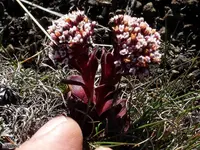
Rotate the pot 1–2 times per month and pinch back only the very soft shoot tips in spring to keep the rosettes compact and prevent the stems from stretching toward one light source.

Strategic Pot Selection

Use a wider, shallow clay pot rather than a deep one so the relatively shallow root system can spread evenly, which stabilizes the plant and helps the soil dry at a predictable rate.

Targeted Pest Monitoring

Inspect the tight leaf bases and stem joints every 2–3 weeks with a hand lens, since mealybugs and scale often hide there first, and wipe suspect areas with a cotton swab dipped in 70% isopropyl alcohol.

Controlled Summer Hardening

If moving the plant outdoors for summer, place it first in bright shade for 7–10 days and then gradually increase direct sun exposure to avoid leaf scorching and to build stronger, more compact growth.

Post-Propagation Recovery

After rooting leaf or stem cuttings, pot them in small groups in a single tray so they share similar moisture and light conditions, which makes caring for Crassula natalensis in its early stages more consistent and reduces losses.

Common Pests and Diseases

Mealybugs

This pest often hides in leaf axils and along stems, sucking sap and causing stunted growth and a dull, sticky leaf surface.

Solution

Isolate the plant, then dab visible insects with cotton swabs dipped in 70% isopropyl alcohol and rinse the foliage gently; for persistent infestations, apply a light horticultural soap or neem oil spray every 7–10 days while improving light and airflow to strengthen the plant.

Aphids

These insects cluster on young shoots and flower stalks, feeding on sap and leading to distorted new growth and sticky honeydew that can attract sooty mold.

Solution

Remove heavily infested shoot tips, then spray the plant with a firm stream of water and follow with an insecticidal soap or neem oil treatment, repeating weekly until no new aphids appear and avoiding overfertilizing, which encourages soft, susceptible growth.

Soft scale

This pest appears as small, rounded, tan to brown bumps on stems and leaf undersides, where it feeds on sap and causes gradual yellowing and reduced vigor.

Solution

Gently scrape or wipe off individual scales with a soft cloth or cotton swab dipped in 70% isopropyl alcohol, then apply a horticultural oil spray to coat remaining juveniles, repeating after 10–14 days and keeping the plant in bright, dry conditions to discourage reinfestation.

Edema

This disorder occurs when roots absorb water faster than the leaves can transpire it, producing small corky bumps or blisters on leaf surfaces, especially in cool, low-light conditions.

Solution

Allow the soil to dry more thoroughly between waterings, increase light intensity, and improve air movement around the plant; damaged leaf tissue will not heal, but new growth should appear smooth once watering and environment are adjusted according to standard Crassula natalensis care instructions.

Interesting Facts

Seasonal leaf dimorphism

This species produces different leaf forms depending on the season, with flatter, more expanded leaves in cooler, wetter periods and more compact, thicker leaves in hotter, drier periods, an adaptation that helps manage water loss in its native habitat.

Eastern South Africa endemic

Crassula natalensis occurs naturally in a relatively narrow range in eastern South Africa, often on rocky slopes and outcrops in KwaZulu-Natal and nearby regions, where it grows in shallow, fast-draining soils exposed to strong light.

Rosette clumps over time

Mature plants slowly form low clusters of multiple rosettes from the base, which helps stabilize them on rocky substrates and allows the colony to spread without needing deep soil.

FAQs about Crassula natalensis

Growth is generally slow to moderate. Young plants may add only a few centimeters per year, forming low mounds or small clumps. Warm temperatures, strong light, and consistent but not excessive watering support steady development without forcing weak, elongated growth.

Grow Healthy Plants with Botan Care

Keep your plants happy and healthy with plant identification, disease detection, and easy care guidance.

Botan plant care app — identify plants on mobile

Explore More Plants