South African Pigmyweed Care (Crassula setulosa)

Also known as: Pygmy Stonecrop
South African Pigmyweed

About South African Pigmyweed

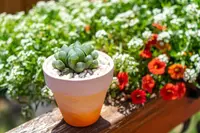
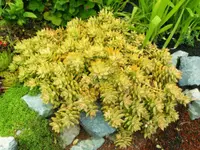
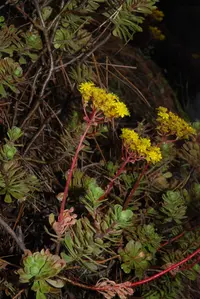
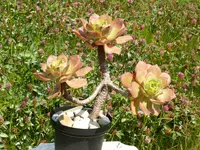
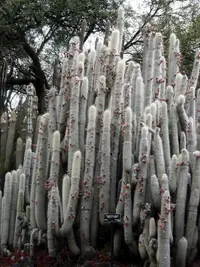
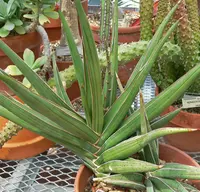
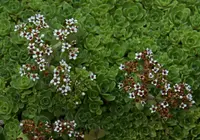
South African pigmyweed, Crassula setulosa, is a small, clumping succulent known for its dense rosettes of fleshy leaves covered in fine hairs. The foliage often develops red or pink tones in bright light, and short flower stalks carry small white to pink star-shaped blooms.

This species is native to rocky slopes and cliffs in South Africa, where it grows in shallow, gritty soil with excellent drainage. Its compact size and forgiving nature make it suitable for containers, rock gardens, and indoor windowsills. Understanding how to care for South African Pigmyweed is mainly about providing strong light, avoiding waterlogged soil, and allowing the roots to dry slightly between waterings.

Main Plant Requirements

Care Difficulty

Easy Care

Light Preference

Partial Sun

Water Requirements

Low Water

Temperature Preference

Tropical / Frost Sensitive

Hardiness Zone

9–11

Soil Texture

Sandy, Loamy, Rocky

Soil pH

Slightly acidic (6.5–7.0), Neutral (7.0)

Soil Drainage

Well-drained

Fertilization

Minimal (feed rarely)

Get Personalized Care Plan

Scan your plant to receive care tips personalized for your specific plant

Available on iOS and Android

How to Care for the South African Pigmyweed

This compact succulent thrives with bright light and some direct sun but benefits from protection during harsh midday hours.

  • Provide 4–6 hours of direct morning sun or late-afternoon sun, plus bright indirect light for the rest of the day for South African Pigmyweed.
  • Allow light, shifting shade in very hot climates; strong summer midday sun can scorch leaves, causing pale, crispy patches.
  • If stems stretch and leaves space out, increase light by moving to a brighter spot; in winter, maximize sun exposure by avoiding deep shade.

This drought-tolerant succulent prefers infrequent, thorough watering with time to dry between soakings.

  • Water only when the top 2–4 cm of soil are completely dry; in warm growing seasons this may be every 7–14 days, less in cool or cloudy weather.
  • Use fast-draining gritty soil and a drainage hole so water runs through quickly, reducing the risk of root rot in Crassula setulosa.
  • Overwatering shows as soft, yellowing, translucent leaves, while underwatering shows as wrinkled, shrunken foliage that firms up after a deep soak.

This species prefers mild, dry conditions and does best with stable, moderate temperatures year-round.

  • Aim for 65–80°F (18–27°C) during active growth, with cooler but still frost-free nights to mimic its natural habitat.
  • Protect from frost; damage often starts around 30–32°F (-1–0°C), so move or cover plants before hard freezes and avoid cold, wet soil.
  • In heat above 90°F (32°C), give light shade and extra airflow; the plant may slow growth in peak summer but recovers when temperatures moderate.

This succulent tolerates a wide humidity range and rarely needs special humidity management indoors.

  • Aim for 30–50% humidity; typical home air is adequate for South African Pigmyweed.
  • Dry indoor air is usually tolerated, but very stagnant, damp air can promote rot.
  • Humidity stress shows as soft, mushy leaves from excess moisture rather than dryness; improve air circulation and let the mix dry more between waterings.

Crassula setulosa needs a very fast-draining, gritty mix to prevent root and stem rot.

  • Use a sandy, mineral-rich mix such as 50–70% coarse pumice, perlite, or grit with 30–50% lean cactus potting mix.
  • Ensure water drains through in seconds, not minutes; mix in extra perlite if the surface stays wet for longer than a few hours.
  • Keep pH slightly acidic to neutral, around 6.0–7.0, which most commercial cactus mixes already provide.
  • Avoid heavy garden soil, peat-heavy blends, or compacted mixes that stay soggy or form a crust when dry.

This species is well suited to container growing, including small patio pots and dish gardens.

  • Choose a shallow but wide pot so the mat-forming growth has room to spread without holding a deep column of wet soil.
  • Select unglazed terracotta when possible, as its porous walls help excess moisture evaporate from the root zone.
  • Elevate the container on pot feet or a stand so drainage holes stay clear and runoff can escape quickly.

Crassula setulosa benefits from light feeding but is sensitive to excess nutrients.

  • Use a balanced liquid fertilizer (such as 10-10-10) diluted to 25–50% strength for caring for South African Pigmyweed in pots.
  • Feed every 4–6 weeks during spring and summer when growth is active.
  • Avoid fertilizing in late fall and winter when growth slows.
  • Skip rich compost and heavy slow-release pellets, which can cause soft, weak growth or root burn.

Crassula setulosa responds well to light structural pruning to maintain a compact, tidy form.

  • Carry out pruning in spring or early summer when plants are actively growing.
  • Pinch or trim back leggy stems to encourage branching and a denser cushion of foliage.
  • Remove dead, damaged, or crowded shoots with clean, sharp scissors or small pruning snips.
  • Avoid cutting into thick, woody bases; focus on soft, green growth for best recovery.

This compact succulent prefers slightly tight containers and does not need frequent repotting.

  • Check for roots circling the drainage holes, soil drying extremely fast, or slowed growth as cues to repot.
  • Repot every 2–3 years in spring, refreshing with a gritty, fast-draining succulent mix.
  • Lift the plant gently, loosen circling roots lightly, and remove old, compacted soil from the outer layer only.
  • Replant at the same depth, water lightly once, then keep slightly dry for 5–7 days to limit root stress.

Crassula setulosa is commonly propagated from stem or leaf cuttings and by division of clumps.

  • Take short stem cuttings or plump leaves in spring or early summer from healthy, non-flowering shoots.
  • Allow cut surfaces to dry and callus for 1–3 days before planting to reduce rot risk.
  • Set cuttings in a barely moist, gritty mix, providing bright, indirect light and good air movement.
  • Divide mature clumps by gently teasing apart offsets and replanting each section in its own pot.

This succulent is not reliably frost hardy and benefits from basic winter protection in cold climates.

  • Keep temperatures above 40°F; prolonged exposure below freezing can damage foliage and roots.
  • Move container plants indoors to a bright, cool windowsill before the first hard frost.
  • Water sparingly in winter, letting the mix dry almost completely between light waterings.
  • In mild climates, grow in a sheltered, well-drained spot and avoid waterlogged soil during cold spells.

Care Tips

Encourage Compact Growth

Rotate the pot 45–90° every 1–2 weeks so all sides receive similar light, which helps maintain a dense, symmetrical mound instead of stretched, one-sided growth when growing South African Pigmyweed.

Seasonal Rest Adjustment

In late fall and winter, reduce handling, repotting, and division, as the plant slows down physiologically and recovers far better from these operations during active growth in spring and early summer.

Safe Cluster Division

When dividing dense mats, tease apart small clumps with fingers rather than cutting through thick roots, then allow the separated pieces to dry for 24 hours before replanting to limit rot at the wounded areas.

Targeted Pest Monitoring

Inspect the tight leaf rosettes and stem bases every few weeks with a hand lens for early signs of mealybugs or aphids, and isolate the plant promptly if pests are found to prevent spread to other succulents.

Controlled Outdoor Hardening

If moving the plant outdoors for summer, introduce it to direct sun gradually over 10–14 days by starting in bright shade and increasing direct exposure in short increments to prevent sudden leaf scorch.

Common Pests and Diseases

Mealybugs

This pest feeds on leaf and stem sap, often hiding in the dense, hairy foliage and tight rosettes. Symptoms include white cottony clusters, sticky honeydew, and distorted new growth.

Solution

Isolate the plant, then dab visible insects with cotton swabs dipped in 70% isopropyl alcohol and repeat weekly until gone. Improve light and air movement, rinse the plant gently to dislodge hidden pests, and use a light horticultural soap or oil spray labeled for succulents if the infestation persists.

Aphids

These insects cluster on soft new growth and flower stalks, sucking sap and causing curling or stunted leaves. Sticky honeydew and sooty mold may appear on the compact foliage mats.

Solution

Physically rinse aphids off with a firm but gentle stream of water, then prune heavily infested tips if needed. For ongoing problems, apply an insecticidal soap or neem oil spray in the early morning, ensuring full coverage of the small rosettes and undersides of leaves.

Spider mites

This pest thrives in hot, dry conditions and can be hard to see on the small, hairy leaves. Symptoms include fine webbing, tiny pale stippling on foliage, and a dull or dusty appearance on the rosettes.

Solution

Increase ambient humidity slightly around the plant without keeping the soil wet, and rinse foliage thoroughly to remove mites and webs. Follow with repeated applications of insecticidal soap or a light horticultural oil, making sure to reach the centers of rosettes and all leaf surfaces.

Edema

This disorder occurs when roots take up water faster than the leaves can transpire, which is common in small, densely leafed succulents. Symptoms include corky, rough, or blister-like spots on leaves, often after sudden changes in watering or humidity.

Solution

Allow the soil to dry more thoroughly between waterings and avoid sudden heavy soakings after a dry spell. Provide bright light, good airflow, and a gritty, fast-draining mix to reduce excess moisture around the roots and leaf bases.

Fungal leaf spots

This disease develops in overly humid or poorly ventilated conditions, especially when water sits on the hairy leaf surface. Symptoms include small dark spots that may enlarge, merge, or cause localized yellowing and leaf drop on the tight mats of foliage.

Solution

Remove affected leaves promptly and improve airflow and light, avoiding overhead watering so foliage dries quickly. If spread continues, apply a sulfur- or copper-based fungicide labeled for ornamental succulents, treating both the upper and lower leaf surfaces and allowing the plant to dry well between treatments.

Interesting Facts

Microhabitat rock specialist

This species often grows in shallow soil pockets and rock crevices in its native South African mountains, where its roots anchor into tiny fissures that trap moisture and fine particles.

Hairy leaf adaptation

Its small leaves are covered in stiff bristles that can help reduce direct sun stress and catch dew microdroplets on cool mornings in its native habitat.

Showy clustered blooms

In good conditions it produces compact clusters of small, star-shaped white to pinkish flowers on short stalks, which are attractive to local pollinating insects in its natural range.

Botan icon

Did you know?

This species is considered part of a group of miniature crassulas that form tight, moss-like cushions on rocky slopes, creating distinctive textured mats that can visually dominate small patches of cliff or outcrop despite each individual rosette being very small.

FAQs about South African Pigmyweed

Brown leaves usually result from underwatering, intense sun scorch, or cold drafts. Check soil moisture, protect from harsh midday sun, and keep it away from cold windows or air vents to prevent further tissue damage.

Grow Healthy Plants with Botan Care

Keep your plants happy and healthy with plant identification, disease detection, and easy care guidance.

Botan plant care app — identify plants on mobile

Explore More Plants