woodland crocus Care (Crocus tommasinianus)

Also known as: Tomasini's crocus, early crocus
woodland crocus

About woodland crocus

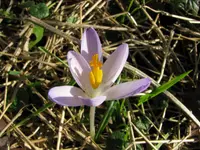
Woodland crocus, Crocus tommasinianus, is a small, early-spring bulb that grows from corms and naturalizes easily in lawns, borders, and light woodland edges. It forms low clumps of narrow, grassy leaves and delicate, goblet-shaped flowers in soft lilac to pale purple tones. Flowers often have a silvery outside and bright yellow stamens, giving strong color contrast on bare late-winter ground. This species is native to parts of southeastern Europe, especially woodland and rocky slopes in the Balkans. It is generally easy to grow in temperate climates, as long as soil drains well and the site is not deeply shaded. Understanding how to care for woodland crocus mainly involves providing sun, moisture in spring, and drier conditions when dormant in summer.

Main Plant Requirements

Care Difficulty

Easy Care

Light Preference

Full Sun

Water Requirements

Moderate Water

Temperature Preference

Cold Hardy

Hardiness Zone

3–8

Soil Texture

Sandy, Loamy, Organic-rich

Soil pH

Acidic (5.5–6.5), Slightly acidic (6.5–7.0)

Soil Drainage

Well-drained

Fertilization

Minimal (feed rarely)

Get Personalized Care Plan

Scan your plant to receive care tips personalized for your specific plant

Available on iOS and Android

How to Care for the woodland crocus

This early-spring bulb prefers cool, bright conditions with gentle sun exposure for strong flowering.

  • Provide 4–6 hours of direct sun daily, ideally morning sun with light afternoon shade, especially in warmer regions.
  • Plant woodland crocus under deciduous trees where it gets full sun in late winter and early spring, then dappled shade once leaves emerge.
  • Avoid deep shade, which causes weak, floppy growth, and exposed, baking afternoon sun that can shorten bloom time and dry the soil too quickly.

This species needs moisture during active growth but benefits from drier soil once foliage dies back.

  • In spring, water only when the top 3–5 cm of soil feel dry, aiming for consistently moist but never soggy soil around the bulbs.
  • Ensure sharp drainage with sandy or loamy soil; standing water or heavy clay leads to bulb rot and yellowing, mushy foliage.
  • Reduce watering once leaves yellow and collapse, then keep soil just barely moist to dry in summer dormancy, avoiding shriveling bulbs.

This hardy bulb thrives in cool climates and depends on winter chilling for reliable flowering.

  • Active growth and flowering occur best in 40–60°F (4–16°C); flowers tolerate light frosts without damage.
  • Dormant bulbs survive winter soil temperatures down to about 0°F (−18°C) if planted 5–8 cm deep and in well-drained ground.
  • Crocus tommasinianus handles mild spring warmth up to about 70°F (21°C), but extended heat above 80°F (27°C) shortens bloom and speeds foliage dieback.

This species adapts well to typical outdoor humidity and rarely needs special adjustment.

Crocus tommasinianus prefers loose, well-drained soil that never stays waterlogged.

  • Aim for a gritty loam or sandy loam with plenty of coarse particles to let water drain quickly.
  • Mix garden soil with sharp sand and a small amount of compost to improve drainage and moderate fertility.
  • Keep pH slightly acidic to neutral (pH 6.0–7.0), avoiding strongly acidic or alkaline ground.
  • Do not plant in heavy, compacted clay; if unavoidable, raise the planting area and add sand and fine gravel for aeration.

This species grows well in containers when drainage and bulb spacing are carefully managed.

  • Use a pot at least 15–20 cm deep so the bulbs can sit 7–10 cm below the rim with room for root spread.
  • Choose a gritty mix over a drainage layer, as true drainage comes from fast-draining substrate rather than stones at the base.
  • Select a frost-resistant, heavier container to prevent tipping and protect bulbs from rapid freeze–thaw swings on exposed patios.

This small bulb generally flowers well with minimal feeding, especially in reasonably fertile garden soil.

  • If growth or flowering declines, apply a light top-dressing of compost or leaf mold in fall, above the bulbs.
  • Use a balanced, slow-release bulb fertilizer or low-strength liquid balanced NPK at 1/2 strength in early fall or very early spring.
  • Feed only once per season during active growth; avoid fertilizing during summer dormancy to prevent bulb rot.
  • For woodland crocus in containers, use a low-dose slow-release formula mixed into the potting medium and monitor drainage carefully.

Crocus tommasinianus needs almost no true pruning, but light cleanup supports bulb health and appearance.

  • After flowering, snip off spent blooms with small scissors to reduce seed set and direct energy back to the bulbs.
  • Leave green foliage intact until it yellows and withers naturally, then gently remove it at the base.
  • Remove damaged or diseased leaves immediately using clean, sharp tools to limit spread of fungal issues.
  • Avoid cutting back leaves early, as this reduces photosynthesis and can weaken next year’s flowering.

This crocus is usually grown in the ground, where clumps can naturalize and seldom need moving.

  • Consider lifting and transplanting when flowering declines, bulbs become crowded, or container roots circle and growth slows.
  • Plan transplanting for late spring or early summer, once foliage has fully yellowed and gone dormant.
  • Every 3–5 years, dig up the clump carefully, separate offsets, and replant bulbs 5–8 cm deep in fresh, well-drained soil.
  • Handle bulbs gently, keep them shaded and slightly dry while out of the ground, and replant promptly to reduce root stress.

This species is commonly propagated by bulb division and, less often, from seed in suitable garden conditions.

  • Lift dormant clumps in late spring or early summer, after foliage has died back naturally.
  • Separate offsets from the parent corms by hand, keeping firm, healthy bulbs and discarding any soft or diseased ones.
  • Replant offsets at the same depth as the originals in well-drained soil, spacing them 5–8 cm apart for future clump growth.
  • For seed propagation, sow fresh seed in pots or a nursery bed, keep evenly moist, and allow 2–3 years to reach flowering size.

This hardy bulb generally needs little winter care in most temperate climates once established in the ground.

  • Dormant bulbs tolerate typical winter frosts when planted at the correct depth in well-drained soil.
  • In colder regions or exposed sites, apply a light mulch layer in late fall to insulate the root zone without waterlogging.
  • For containers, move pots into a sheltered, unheated area to reduce freeze–thaw stress and prevent the soil from staying saturated.

Care Tips

Mark Dormant Spots

After foliage dies back, place small, discreet markers where clumps are growing so you avoid disturbing bulbs when digging, edging, or replanting in summer.

Staggered Bulb Planting

Plant bulbs in loose drifts with slightly varied spacing and depth to create a more natural look and to reduce the chance that a single animal or shovel cut removes an entire clump.

Mesh Protection From Rodents

In areas with vole or squirrel pressure, plant bulbs inside shallow wire mesh baskets or beneath a layer of 1–2 cm mesh to discourage digging without blocking shoots in spring.

Allow Naturalizing Space

Leave a 15–30 cm open buffer of low or no planting around existing clumps so self-sown seedlings and daughter bulbs can expand into a fuller carpet over several years, which is key for growing woodland crocus effectively.

Coordinate With Lawn Care

If bulbs are in turf, delay mowing until at least 6 weeks after flowering so leaves can rebuild bulb reserves, and flag those lawn sections so mowing crews know to avoid them early in the season.

Common Pests and Diseases

Squirrel damage

This pest often digs up corms, eats flowers, or snaps emerging shoots, especially in newly planted areas. Symptoms include disturbed soil, missing corms, and bitten-off buds or flowers.

Solution

Protect planting areas with wire mesh or hardware cloth buried 5–8 cm over the corms, and avoid using obvious markers that guide digging. In high-pressure areas, plant Crocus tommasinianus more deeply (8–10 cm), use dense groundcovers above, and remove fallen bird seed that attracts rodents and squirrels into the bed.

Violet crown mite

This pest feeds on crocus foliage and flowers, causing distorted, silvered, or stippled leaves and poorly opening buds. Symptoms include fine webbing low among the leaves and tiny reddish mites visible with a hand lens.

Solution

Reduce shelter by clearing dense plant debris after foliage dies back and avoid heavy surface mulch over corms. In case of visible damage, wash foliage with a firm jet of water and, if needed, apply a horticultural oil or insecticidal soap directed into the crown, repeating as new growth emerges the following season.

Grass grub larvae

These insects (larval beetles) feed on corms and roots, leading to yellowing leaves, weak flowering, or sudden collapse in patches. This pest often leaves hollowed or chewed corms when soil is inspected.

Solution

Lift affected clumps during dormancy, remove and destroy any grubs, and replant only firm, healthy corms in fresh soil. In lawns or beds with repeated problems, encourage natural predators such as birds, reduce thatch, and avoid over-fertilizing turf, which favors grub build-up near crocus plantings.

Crocus smut

This disease is caused by a smut fungus that infects corms and shoots, leading to streaked, twisted leaves and stunted or absent flowers. Symptoms include black, powdery fungal masses in leaf sheaths or inside damaged corms.

Solution

Remove and destroy any affected plants and surrounding soil clinging to the corms, and do not compost infected material. Replant with clean, inspected corms in a fresh location with good drainage, and avoid reusing suspect soil or tools without thorough cleaning.

Crocus mosaic virus

This disease causes irregular pale streaks, mottling, or banding on leaves and flowers, sometimes with reduced vigor and flowering over several seasons. Symptoms include distorted or color-broken flowers that become more pronounced each year.

Solution

There is no cure, so remove and discard any plants showing consistent mosaic symptoms, including small adjacent offsets, to limit spread. Control aphids and other sap-sucking insects that can transmit the virus, avoid replanting saved corms from suspect clumps, and start new plantings from reliable virus-indexed stock as part of careful Crocus tommasinianus care.

Interesting Facts

Earliest bee forage

This species flowers very early, often when snow is still on the ground, and provides one of the first significant nectar and pollen sources for emerging solitary bees and honey bees in late winter.

Naturalizing specialist

It spreads readily in lawns and light woodland by both seed and corm division, forming long‑lived self‑sustaining colonies that can slowly migrate across a site over many years.

Squirrel‑resistant corms

Garden trials and observations show that its small, bitter corms are much less attractive to squirrels and rodents than those of many other crocus species, so plantings are less likely to be dug up and eaten.

Botan icon

Did you know?

Crocus tommasinianus has produced numerous naturally occurring color forms and hybrids in gardens, and its tendency to cross with related species has made it an important parent in breeding programs aimed at developing hardy, early‑flowering crocuses for colder climates.

FAQs about woodland crocus

Lack of flowers usually comes from bulbs planted too deep or too shallow, overcrowded clumps, or insufficient post-bloom foliage growth the previous year. Allow leaves to die back naturally and divide congested clumps every few years to restore flowering.

Grow Healthy Plants with Botan Care

Keep your plants happy and healthy with plant identification, disease detection, and easy care guidance.

Botan plant care app — identify plants on mobile

Explore More Plants