Cryptogramma brunoniana Care

Cryptogramma brunoniana

About Cryptogramma brunoniana

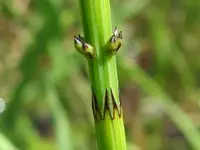
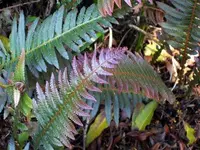
Cryptogramma brunoniana is a small, clumping fern known for its finely divided, feathery fronds that create a soft, lace-like mound. It usually forms low, spreading patches rather than tall, upright growth.

This species occurs naturally in cool, rocky habitats in parts of Asia, often on slopes and crevices with good drainage. It prefers sheltered spots with moderate light, consistent but not excessive moisture, and loose, gritty soil.

Its slow, somewhat particular growth habit means it suits patient growers who can offer stable conditions. Understanding how to care for Cryptogramma brunoniana helps prevent stress from heat, drought, or heavy, compacted substrates.

Main Plant Requirements

Care Difficulty

Moderate Care

Light Preference

Partial Shade

Water Requirements

Moderate Water

Temperature Preference

Cool Climate

Hardiness Zone

7–9

Soil Texture

Loamy, Rocky, Organic-rich

Soil pH

Acidic (5.5–6.5)

Soil Drainage

Well-drained

Fertilization

Minimal (feed rarely)

Get Personalized Care Plan

Scan your plant to receive care tips personalized for your specific plant

Available on iOS and Android

How to Care for the Cryptogramma brunoniana

This fern prefers bright, gentle light that mimics dappled woodland shade.

  • Provide 3–5 hours of early morning or late afternoon sun with light shade or filtered light for the rest of the day.
  • Site Cryptogramma brunoniana in partial shade; strong midday sun, especially in summer, can scorch fronds and dry soil too quickly.
  • In hotter climates, increase shade during late spring–summer, while in cooler or northern areas it can tolerate a bit more direct morning sun.

This species prefers consistently moist but not saturated soil.

  • Water when the top 2–3 cm of soil feel slightly dry, aiming for evenly moist conditions around the root zone.
  • Use well-drained, humus-rich soil; prolonged puddling, sour smell, or blackened, limp fronds indicate overwatering and poor aeration.
  • In spring–summer, monitor more often during heat or wind; in cooler months, extend intervals slightly but do not let the root area dry out completely.

This fern thrives in cool to mild conditions without temperature extremes.

  • Aim for 55–70°F (13–21°C) for steady growth, with slightly cooler nights improving vigor.
  • It tolerates brief drops to around 30–32°F (-1–0°C) but repeated hard frosts or freezing, especially without snow cover, can damage fronds and crowns.
  • In warmer regions, protect from extended periods above 85°F (29°C) by providing extra shade, mulch to cool the root zone, and careful moisture management.

This fern prefers moderately moist air and reacts quickly to very dry conditions.

  • Aim for 50–70% humidity to keep fronds lush and reduce browning tips.
  • Tolerates brief dips to 40%, but prolonged dry air causes crisping edges and slowed growth.
  • Increase humidity with a nearby pebble tray, grouped plants, or a cool-mist humidifier rather than frequent misting.

Cryptogramma brunoniana performs best in loose, moist, well-drained, organic-rich soil that mimics a humus forest floor.

  • Use a mix of 50% fine compost, 30% peat or coco coir, and 20% perlite or pumice for aeration.
  • Aim for slightly acidic to neutral pH around 6.0–7.0 to support nutrient uptake and root health.
  • Ensure the mix drains freely but stays evenly moist; avoid heavy clay, compacted ground, or standing water.
  • Incorporate leaf mold or fine bark to improve structure, root oxygenation, and long-term moisture retention without waterlogging.

This species is suitable for container growing when moisture and drainage are carefully balanced.

  • Choose a wide, shallow pot to suit its fibrous, spreading roots and prevent deep, soggy zones.
  • Select a breathable terracotta or unglazed clay pot if overwatering is a risk, as these materials allow faster evaporation.
  • Raise the pot on feet or a stand outdoors so drainage holes never sit in collected runoff after rain or watering.

This fern is adapted to lean, rocky soils and usually needs no additional fertilizer when grown in the ground.

  • In containers, use a very dilute balanced liquid fertilizer (around 1/4 strength, such as 10-10-10) only during active growth in spring–summer.
  • Apply no more than every 4–6 weeks and always onto moist substrate, never dry roots.
  • Stop feeding in fall and winter when Cryptogramma brunoniana is semi-dormant or growth slows noticeably.

Pruning needs are minimal and focus on tidiness and frond health rather than shaping.

  • Best time for light cleanup is late winter or early spring before new fronds unfurl.
  • Remove dead, yellowed, or diseased fronds at the base using clean, sharp scissors or snips.
  • Thin out crowded, overlapping fronds to improve air flow and reduce fungal risk.
  • Avoid heavy cutting into healthy crowns, as this can slow recovery and weaken Cryptogramma brunoniana.

This fern has a small, clumping root system and is usually disturbed only when necessary.

  • Look for roots circling the pot, water running straight through, or stalled growth as signs it needs a larger container or division.
  • Plan repotting or garden transplanting for early spring, just before new fronds start to emerge.
  • Typical intervals are 2–3 years in containers; outdoor clumps can stay in place longer unless overcrowded.
  • Handle rhizomes gently, keep existing soil around roots, water thoroughly, and shade for several days to reduce stress on Cryptogramma brunoniana.

This species is most practically propagated by careful division of established clumps rather than by spores at home.

  • Divide healthy clumps in early spring when new croziers are just emerging but still compact.
  • Lift the plant, then separate small sections of rhizome, each with several fronds or buds and a good root portion.
  • Replant divisions at the same depth in a moist, sharply drained, humusy mix, and water well.
  • Maintain high, steady moisture and bright, indirect light until new growth confirms successful establishment of Cryptogramma brunoniana.

This fern is relatively cold tolerant in the ground and usually needs only modest winter attention.

  • In climates with freezing winters, apply a light mulch layer (2–5 cm) around the root zone after soil cools.
  • Allow above-ground fronds to die back naturally; they can add slight insulation until removed in late winter.
  • Container-grown plants in colder zones than recommended can be overwintered in a cold, frost-free, bright spot.

Care Tips

Cool-root placement

Site the pot or tray on a shaded, cool surface such as unglazed tile or a stone slab to keep roots several degrees cooler than room air, which helps this fern hold fronds better in warm interiors.

Thin, not divide

When clumps become dense, remove a few outer fans with roots rather than slicing the whole crown, which reduces shock and preserves the fine rhizomes this species relies on for regrowth.

Rock crevice mimic

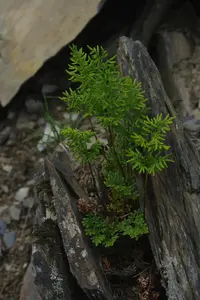
Plant between stable rocks or inert stones in a shallow, gritty mix so the rhizomes can thread into narrow gaps, which closely mimics its natural crevice habitat and improves drainage around the crown.

Dry-season rest

Allow a brief, slightly drier rest and cooler conditions in late fall to early winter, accepting partial frond dieback, as this supports its natural growth cycle and encourages stronger new fronds in spring.

Sporeling management

If spores germinate in the pot, thin young sporelings while leaving a few well-spaced plants, which prevents overcrowding and maintains air movement that is important when caring for Cryptogramma brunoniana.

Common Pests and Diseases

Scale insects

This pest attaches tightly to fronds and rachises, feeding on plant sap and causing yellowing, loss of vigor, and sticky honeydew on nearby surfaces.

Solution

Remove heavily infested fronds and gently scrape or wipe remaining scales with a cotton pad dipped in 70% isopropyl alcohol, then rinse the foliage with lukewarm water. Improve air movement around the fern and repeat manual cleaning weekly until no new scales appear; horticultural soap can be used on new growth if the label confirms safety for ferns.

Fern aphids

These insects cluster on tender new fronds and undersides, sucking sap and causing curling, distortion, and a general decline in growth.

Solution

Dislodge aphids by spraying the fronds with a firm stream of lukewarm water, then treat remaining colonies with a dilute insecticidal soap designed for ferns, applied to both upper and lower frond surfaces. Check nearby plants, isolate infested specimens, and repeat treatment every 5–7 days until there is no new activity.

Rhizoctonia blight

This disease affects crowded plants in warm, humid conditions, leading to brown, sunken lesions at the base of fronds and a patchy dieback of foliage.

Solution

Remove and discard affected fronds and any rotting crown tissue, then improve air circulation and avoid wetting the crown when watering. If needed, apply a fungicide labeled for Rhizoctonia on ornamental ferns and reduce overcrowding by dividing or spacing plants more widely, which is important when growing Cryptogramma brunoniana in shaded rock gardens or pots.

Botrytis leaf spot

This disease appears in cool, damp conditions as small brown spots on fronds that can expand and develop a gray, fuzzy mold on the surface.

Solution

Trim off and dispose of affected fronds, reduce overhead watering, and increase air flow around the plant to keep foliage dry. In severe or persistent cases, apply a protective fungicide approved for ornamental ferns and avoid dense planting that keeps humidity trapped around the fronds.

Interesting Facts

Himalayan scree specialist

This fern naturally grows in high-elevation scree and rock crevices in the western Himalayas, often above 3,000 m, where it anchors itself among unstable stones and thin mineral soils.

Dimorphic frond structure

It shows clear dimorphism between sterile and fertile fronds, with fertile fronds more finely divided and carrying the spore-producing sori on their undersides.

Rock-splitting root system

Its wiry, branching rhizomes and roots penetrate small fissures in rock, gradually widening cracks and contributing to the slow physical breakdown of cliff and boulder surfaces in its native range.

Botan icon

Did you know?

The species was formally described in the 19th century by the British botanist William Jackson Hooker, who named it in honor of the botanist Robert Brown, reflecting the long history of Himalayan pteridophyte exploration during that period.

FAQs about Cryptogramma brunoniana

This fern is semi-evergreen to deciduous, depending on climate. In mild, cool conditions it often keeps some fronds year-round. In hotter or drier areas, fronds may die back seasonally and re-sprout from the rhizomes.

Grow Healthy Plants with Botan Care

Keep your plants happy and healthy with plant identification, disease detection, and easy care guidance.

Botan plant care app — identify plants on mobile

Explore More Plants