Cuphea llavea Care

Cuphea llavea

About Cuphea llavea

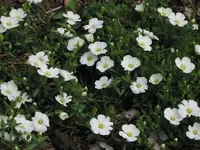
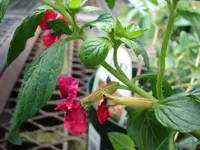
Cuphea llavea, often called bat-faced cuphea, is a compact, shrubby perennial usually grown as an annual in cooler climates. It produces small tubular flowers with dark, rounded petal tips that suggest a tiny bat face. The plant forms a bushy mound of fine, green foliage and blooms over a long season, attracting hummingbirds and pollinators in mild to warm regions of Mexico, where it naturally occurs. It is generally considered easy to grow when given sun, moderate moisture, and well-drained soil. Once gardeners learn how to care for Cuphea llavea, it becomes a reliable choice for containers, borders, and pollinator-friendly plantings.

Main Plant Requirements

Care Difficulty

Moderate Care

Light Preference

Full Sun

Water Requirements

Moderate Water

Temperature Preference

Tropical / Frost Sensitive

Hardiness Zone

9–11

Soil Texture

Sandy, Loamy, Organic-rich

Soil pH

Acidic (5.5–6.5), Slightly acidic (6.5–7.0)

Soil Drainage

Moist but well-drained

Fertilization

Moderate (every 2–4 weeks)

Get Personalized Care Plan

Scan your plant to receive care tips personalized for your specific plant

Available on iOS and Android

How to Care for the Cuphea llavea

This sun-loving shrub flowers best with strong light and some protection from harsh afternoon exposure.

  • Provide 6–8 hours of direct sun, ideally with morning sun and light afternoon shade, especially in hot summer regions.
  • Cuphea llavea tolerates light partial shade (around 4–5 hours of direct sun) but may bloom less and grow looser in low light.
  • In very bright, hot climates, use filtered light or shade during 1–4 p.m. to prevent leaf scorch and dry, bleached foliage.

This plant prefers consistently moist, well-drained soil rather than extremes of drought or saturation.

  • Water when the top 2–4 cm of soil feels dry, allowing moisture to reach the root zone without leaving the soil soggy.
  • In hot, windy weather, expect to water more often; in cooler seasons, extend intervals to avoid standing water around the roots.
  • Wilting, dull leaves and dry soil indicate underwatering, while yellowing leaves, soft stems, or a sour soil smell suggest overwatering and poor drainage.

This warm-season plant grows best in stable, mild to warm temperatures without frost exposure.

  • Aim for 65–80°F (18–27°C) for active growth; flowering is strongest when nights stay above about 60°F (16°C).
  • Growth slows below 55°F (13°C), and frost at 32°F (0°C) or lower can kill top growth or the entire plant if exposure is prolonged.
  • Cuphea llavea tolerates short spikes up to 90–95°F (32–35°C) if soil moisture is maintained, but extended extreme heat can reduce flowering and stress the plant.

This species prefers moderately humid air but usually tolerates typical indoor humidity if watering is consistent.

  • Aim for 40–60% humidity, especially during hot, dry weather to keep foliage from crisping at the edges.
  • In very dry air, watch for curled, browning leaf tips and faster wilting between waterings as signs of humidity stress.
  • Increase humidity by grouping plants, placing the pot on a pebble tray with water below the pot base, or running a nearby humidifier.

Cuphea llavea grows best in loose, fast-draining, organic-rich soil that does not stay waterlogged.

  • Use a mix of 50–60% all-purpose potting mix with 20–30% compost and 20–30% perlite or coarse sand for structure and drainage.
  • Aim for slightly acidic to neutral pH around 6.0–7.0, which supports nutrient availability and balanced root development.
  • Improve aeration by incorporating coarse particles such as perlite or fine bark, avoiding heavy clay or peat-only mixes that compact quickly.
  • Avoid sites or mixes where water stands longer than 30–40 minutes after watering, as prolonged saturation encourages root rot and weak growth.

This species is well suited to container growing on patios, balconies, or near sunny entrances.

  • Select a wide, relatively shallow pot to accommodate its spreading root system and keep the plant from becoming top-heavy in wind.
  • Choose a breathable material like unglazed terracotta if growth is in a wet climate to help excess moisture evaporate between waterings.
  • Ensure drainage holes are unobstructed and elevate the pot slightly so runoff can escape quickly, preventing water from pooling under the container.

Balanced feeding supports compact growth and strong flowering in Cuphea llavea.

  • Use a balanced water-soluble fertilizer (around 10-10-10 or 20-20-20) at 1/2 strength every 2–3 weeks in spring and summer.
  • Alternatively, apply a slow-release granular fertilizer at planting and midseason following label rates.
  • Supplement with a thin layer of compost over the root zone once per growing season.
  • In fall and winter, reduce feeding to once every 6–8 weeks or stop if growth is very slow.

Thoughtful pruning keeps Cuphea llavea dense, floriferous, and manageable in size.

  • In late winter or early spring, lightly trim the whole plant to maintain a compact, bushy form.
  • During the growing season, remove dead, damaged, or crossing stems with clean, sharp pruning shears.
  • Pinch soft shoot tips after flowering flushes to encourage branching and more blooms.
  • Cut back leggy stems by 1/3, making angled cuts just above a leaf node.

Container-grown plants benefit from timely repotting to maintain healthy root growth and flowering.

  • Check for roots circling the pot, growing from drainage holes, or slowed top growth as signs Cuphea llavea needs a larger container.
  • Plan to repot or transplant in early spring, about every 1–2 years for pots or when garden clumps outgrow their space.
  • Move the plant into a pot 2–5 cm wider, gently loosening circling roots and trimming broken ones with sterile scissors.
  • Reduce root stress by watering well before and after, keeping the plant shaded for a few days, and avoiding heavy feeding immediately.

New plants are commonly produced from softwood cuttings or seeds.

  • Take 7–10 cm softwood cuttings in late spring or early summer, removing lower leaves and optional flower buds.
  • Insert cuttings into a moist, free-draining mix under high humidity (cover or mist) at 70–75°F with bright, indirect light.
  • Use rooting hormone on cut bases to improve success and reduce rotting risk.
  • Sow fresh seeds on the surface of a light seed-starting mix indoors in late winter, keeping evenly moist and warm.

This warm-season species needs protection in regions with freezing winters.

  • Cuphea llavea is frost-sensitive and usually treated as an annual where temperatures drop below 32°F.
  • In cold climates, grow in containers and move indoors before the first frost, placing in bright light at 55–65°F.
  • For in-ground plants in mild zones, add 5–8 cm of mulch around the root zone, keeping it slightly away from stems.
  • Reduce watering in winter, allowing the top of the soil to dry slightly between waterings to prevent root issues.

Care Tips

Encourage Bushy Growth

Pinch back soft shoot tips every 2–3 weeks in early growth to promote dense branching and more flower-bearing stems rather than tall, open growth.

Support Heavy Blooms

In windy or exposed sites, insert low, discreet ring supports or small bamboo canes early in the season so the plant can grow through them and prevent branches from flopping under the weight of flowers.

Optimize Container Size

Use a slightly snug but not cramped pot, then step up only 1–2 in at a time, which keeps roots active and flowering continuous instead of pushing the plant into leafy, non-blooming growth.

Seasonal Rejuvenation Cut

If midsummer growth becomes lanky, cut stems back by about one-third, then water and feed lightly to trigger a flush of compact new shoots and renewed flowering.

Plan Overwintering Strategy

In cold climates, take 8–10 cm tip cuttings from the healthiest non-flowering shoots before frost and root them indoors as backups, which is more reliable than trying to overwinter a large, woody plant when growing Cuphea llavea in pots.

Common Pests and Diseases

Spider mites

This pest often appears in hot, dry conditions and causes fine stippling, dull foliage, and webbing on the undersides of leaves. Symptoms include slowed growth and leaves that look dusty or speckled.

Solution

Rinse foliage thoroughly with a strong but controlled stream of water, focusing on leaf undersides, and repeat every few days. Increase humidity around the plant, remove heavily damaged leaves, and use insecticidal soap or a horticultural oil labeled for mites, applied according to label directions.

Aphids

These insects cluster on tender shoot tips and flower stems, sucking sap and causing curling, distortion, and sticky honeydew on leaves. Ant activity and sooty mold on the honeydew may also appear.

Solution

Pinch or prune heavily infested tips, then wash stems and leaves with water to remove insects and honeydew. Follow with insecticidal soap or neem oil, making sure to coat all plant surfaces, and repeat at 5–7 day intervals until populations decline.

Whiteflies

This pest is common on lush, flowering Cuphea in warm weather and is noticeable as small white insects that fly up when the plant is disturbed. Symptoms include yellowing leaves, sticky honeydew, and overall decline in plant vigor.

Solution

Shake foliage to check for adults, then use yellow sticky traps to monitor and reduce populations. Spray the plant thoroughly with insecticidal soap or horticultural oil, targeting leaf undersides, and repeat applications regularly while also removing heavily infested leaves if practical.

Botrytis blight

This disease develops in cool, humid, or overcrowded conditions and causes brown, water-soaked spots on flowers and leaves that may develop gray fuzzy mold. Symptoms include flower drop, mushy petals, and dieback of affected shoots.

Solution

Remove and discard all infected flowers and foliage, avoid overhead watering, and improve air circulation around the plant. In persistent cases, apply a fungicide labeled for Botrytis on ornamentals and reduce humidity by spacing plants and watering early in the day.

Powdery mildew

This disease presents as white, powdery patches on leaves and young stems, often starting on shaded or crowded parts of the plant. Symptoms include distorted growth and premature leaf drop if left unmanaged.

Solution

Thin or lightly prune dense growth to improve airflow and avoid wetting foliage late in the day. Remove the most affected leaves and apply a sulfur-based fungicide or another product labeled for powdery mildew, repeating as needed and following the product instructions carefully for effective Cuphea llavea care instructions.

Interesting Facts

Bat-pollinated flower design

The tubular, red and purple flowers closely match the visual and structural cues used by nectar-feeding bats in its native range in Mexico, which is why it is commonly called bat-faced cuphea. The dark purple lower lobes resemble a small animal face, while the red tube offers an accessible nectar source for visiting bats and hummingbirds.

Long, heat-loving bloom season

In warm conditions this species can flower continuously from late spring until frost, because it does not require a strict daylength trigger to initiate blooms. The plant evolved in a mild, warm climate, so its floral development is driven mainly by temperature and overall growing vigor.

Oil-rich seeds for wildlife

The seeds of this species are relatively rich in lipids, which makes them an attractive high-energy food source for some small birds and other wildlife where it is grown outdoors. This trait is shared with several other Cuphea species that have been studied as potential alternative oilseed crops.

Botan icon

Did you know?

Cuphea llavea is one of the Cuphea species that helped attract scientific interest in the genus as a possible source of medium-chain fatty acids, the same group of fats that make coconut and palm kernel oils valuable, leading to research on its relatives as sustainable industrial oil crops.

FAQs about Cuphea llavea

Lack of flowers usually comes from too little light, excess nitrogen fertilizer, or old, unpruned stems. Provide bright conditions, use a balanced fertilizer, and lightly trim after a flush of blooms to stimulate new flowering growth.

Grow Healthy Plants with Botan Care

Keep your plants happy and healthy with plant identification, disease detection, and easy care guidance.


Botan plant care app — identify plants on mobile

Explore More Plants