Pussy-ears Care (Cyanotis somaliensis)

Pussy-ears

About Pussy-ears

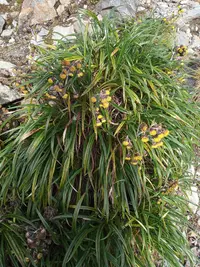
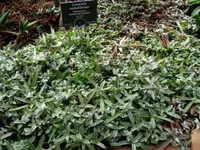
Pussy-ears (Cyanotis somaliensis) is a compact, trailing houseplant from arid regions of Somalia. It belongs to the dayflower family and is grown mainly for its unusual foliage. The small, lance-shaped leaves are covered in fine hairs that give a soft, velvety texture and a silvery-green look. Stems often tumble over the pot edge, forming a cascading mound. This plant stays relatively low and is well suited to hanging baskets, shelves, and mixed indoor displays. It prefers bright, indirect light, well-drained soil, and moderate watering, which makes it fairly easy to care for Pussy-ears when overwatering is avoided.

Main Plant Requirements

Care Difficulty

Easy Care

Light Preference

Bright Indirect Light

Water Requirements

Moderate Water

Temperature Preference

Tropical / Frost Sensitive

Hardiness Zone

11–12

Soil Texture

Sandy, Loamy, Organic-rich

Soil pH

Acidic (5.5–6.5), Slightly acidic (6.5–7.0)

Soil Drainage

Well-drained

Fertilization

Light (every 4–6 weeks)

Get Personalized Care Plan

Scan your plant to receive care tips personalized for your specific plant

Available on iOS and Android

How to Care for the Pussy-ears

This species prefers bright, indirect light that protects its hairy leaves from scorch.

  • Provide 4–6 hours of bright, filtered light daily, such as near an east or bright north window; brief gentle morning sun is suitable but avoid strong midday rays.
  • Tolerates light shade for part of the day, but very low light leads to stretched, sparse stems and dull foliage on Pussy-ears.
  • In summer, shield from harsh afternoon sun with a sheer curtain; in winter, move closer to the light source to compensate for shorter days.

Watering for this plant focuses on avoiding both soggy soil and complete drought.

  • Allow the top 2–4 cm of soil to dry before watering again, then water thoroughly so excess drains away; do not let the root zone stay waterlogged.
  • In spring and summer, expect to water more often as growth is faster; in fall and winter, reduce frequency and wait slightly longer between waterings.
  • Watch for yellow, mushy stems or a sour soil smell as signs of overwatering, and for limp, wrinkling leaves and very light pots as indications it needs water.

This species prefers warm, stable conditions similar to a mild subtropical climate.

  • Aim for 65–80°F (18–27°C) for active growth; brief peaks up to 85°F (29°C) are tolerated if humidity is moderate and soil does not dry out completely.
  • Protect from cold; growth slows below 60°F (16°C) and tissue damage can occur below 50°F (10°C), especially if the soil is wet.
  • The plant is not frost hardy; avoid exposure to 40°F (4°C) or below and shield from sudden drafts or heat blasts from radiators or heaters.

This species handles typical indoor humidity but benefits from slightly raised levels in very dry homes.

  • Aim for 40–60% humidity, which suits Pussy-ears without encouraging fungal issues.
  • Tolerates short spells of drier air, but prolonged humidity below 30% may cause crisp leaf tips and dull, rough foliage.
  • If air is very dry, group plants together or place the pot on a pebble tray with water, keeping the pot base above the waterline.

This plant prefers a loose, sharply draining mix that dries quickly between waterings.

  • Use a sandy or gritty mix: 50–60% standard potting mix blended with perlite or pumice and a small amount of coarse sand.
  • Aim for slightly acidic to neutral pH, around 6.0–7.0, which supports nutrient availability without risking toxicity.
  • Ensure the mix feels airy and crumbles easily in the hand; compact, water-retentive substrates increase root rot risk for Cyanotis somaliensis.
  • Avoid heavy garden soil, pure peat, or mixes with large amounts of moisture-holding crystals that stay wet for longer than 3–4 days.

This species is well suited to container growing due to its compact, trailing habit.

  • Choose a wide, shallow pot to match its spreading root system and keep the foliage from hanging directly onto a wet rim.
  • Select terracotta or other porous materials if you tend to water heavily, as they allow faster evaporation and reduce soggy conditions.
  • Raise the pot slightly on feet or spacers so drainage holes stay clear and runoff water does not reabsorb into the root zone.

Cyanotis somaliensis responds well to light, consistent feeding during its active growing season.

  • Use a balanced liquid fertilizer (for example 10-10-10) diluted to 1/4–1/2 strength for Pussy-ears in spring and summer.
  • Feed every 4–6 weeks while growth is strong, on already-moist soil to avoid root burn.
  • Skip compost-heavy mixes that stay wet; choose well-draining potting soil with modest organic content instead.
  • Reduce or stop feeding in fall and winter when growth slows, then resume lightly the next spring.

Pruning helps Cyanotis somaliensis stay compact, branching, and tidy.

  • Best time for shaping is late winter to early spring, before vigorous new growth begins.
  • Pinch back soft, leggy tips with clean fingers or scissors to encourage dense, trailing stems.
  • Remove dead, damaged, or crowded shoots at the base to improve airflow and reduce disease risk.
  • Use sharp, disinfected scissors or snips and avoid removing more than 1/3 of the foliage at once.

This species prefers slightly snug pots but benefits from periodic repotting to refresh soil and support healthy roots.

  • Plan to repot every 2–3 years in spring when roots circle the pot, emerge from drainage holes, or growth slows.
  • Choose a container 2–3 cm wider with good drainage and use a light, well-aerated mix for trailing houseplants.
  • Gently loosen root tips, trim dead roots, and keep the root ball largely intact to reduce transplant shock.
  • Water lightly after repotting, keep in bright indirect light, and avoid heavy feeding for 2–3 weeks while roots recover.

Cyanotis somaliensis is commonly propagated to refresh older plants and create new hanging baskets.

  • Take 7–10 cm stem cuttings in spring or early summer, cutting just below a node with clean scissors.
  • Strip lower leaves and place the node in water or a moist, well-draining medium, keeping humidity moderate and light bright but indirect.
  • Maintain temperatures around 68–75°F and keep the rooting medium barely moist, not soggy.
  • Division of well-established clumps at repotting time is also effective; separate sections with roots and replant promptly.

This tropical species is frost-tender and needs indoor-style winter care in most temperate climates.

  • Maintain indoor temperatures ideally above 60°F and avoid cold drafts from windows or doors.
  • Move outdoor containers indoors before night temperatures drop below 50°F.
  • Provide bright indirect light and slightly drier soil, letting the top layer dry more between waterings.
  • Do not fertilize in mid-winter; resume light feeding only when active growth returns in spring.

Care Tips

Encourage Compact Growth

Rotate the pot 90° every 1–2 weeks and lightly pinch back the longest shoots just above a leaf node to keep the plant dense and prevent bare, leggy stems over time.

Protect Fuzzy Leaves

When cleaning dust from the foliage, use a soft, dry brush or a barely damp microfiber cloth instead of misting or rinsing, since water sitting on the fine hairs can lead to spotting and rot.

Use Hanging Culture

Place the plant in a shallow, wide pot or a hanging container so the trailing stems can cascade freely, which reduces mechanical damage, improves air flow around the foliage, and makes monitoring stem health easier.

Monitor Stem Junctions

Inspect the points where stems meet the soil every few weeks and remove any soft, darkening sections with sterile scissors to prevent localized rot from spreading along the trailing growth.

Easy Stem Propagation

When repotting or pruning, root 5–8 cm healthy stem tips with at least 2 nodes back into the mother pot to rejuvenate older specimens and maintain a full, young-looking plant, which is a reliable method for growing Pussy-ears long term.

Common Pests and Diseases

Mealybugs

This pest commonly hides in the dense, hairy stems and leaf bases, feeding on sap and causing stunted or distorted growth. Symptoms include white cottony clumps in crevices and sticky honeydew on leaves or nearby surfaces.

Solution

Isolate the plant, then dab visible mealybugs with cotton swabs dipped in 70% isopropyl alcohol and gently wipe along stems and leaf bases. Repeat every 5–7 days and, for heavier infestations, use a ready-to-use insecticidal soap spray, making sure to reach into the plant’s fuzzy growth while avoiding waterlogging the soil.

Spider mites

These insects favor the dry, sheltered leaf surfaces and stems, sucking plant juices and causing fine yellow stippling or a dull, dusty appearance. Symptoms include fine webbing in tight growth areas and along stems, especially in low-humidity indoor conditions.

Solution

Shower the plant with a gentle stream of lukewarm water to remove mites, then increase humidity to around 40–50% and avoid very dry air. Treat remaining mites with insecticidal soap or a horticultural oil spray, applied to both sides of leaves and stems every 5–7 days until new growth looks clean; this is a common issue in Cyanotis somaliensis care indoors.

Aphids

These insects colonize soft new shoots and trailing tips, sucking sap and causing curled, distorted, or sticky growth. Symptoms include clusters of small green, black, or brown insects and the presence of shiny honeydew that can lead to sooty mold.

Solution

Rinse the plant under a gentle shower or use a handheld sprayer to wash off colonies, focusing on new growth and undersides of leaves. For persistent aphids, apply insecticidal soap or neem oil solution to all affected areas every 5–7 days, and prune back heavily infested tips to encourage clean new growth.

Leaf spot

This disease appears on fuzzy leaves as small, water-soaked or brown lesions that may expand and merge under persistently wet conditions. Symptoms include irregular spots with darker borders, sometimes surrounded by a yellow halo, often starting where water sits on the foliage.

Solution

Remove and discard affected leaves and avoid overhead watering, instead watering at soil level and letting the top of the mix dry slightly between waterings. Improve air movement around the plant, reduce crowding of stems, and if spots continue to spread, apply a copper-based or other labeled fungicide lightly, following the product instructions while avoiding leaf saturation.

Basal stem rot

This disease develops when the dense, trailing stems stay in consistently wet potting mix, leading to soft, brown tissue at the base and sudden collapse of shoots. Symptoms include a musty smell, blackened stem bases, and sections of the plant wilting even though the soil is moist.

Solution

Cut away and discard all soft, darkened stem sections and repot healthy parts into fresh, sharply draining mix in a pot with good drainage holes. After repotting, water lightly, allow the top 2–3 cm of soil to dry between waterings, and keep the plant in bright, indirect light with good airflow to prevent recurrence.

Interesting Facts

Native Somali cliff dweller

This species is naturally found on rocky slopes and cliffs in northern Somalia, where it grows in shallow, gritty soil with intense light and good air movement.

Distinctive velvety hairs

The leaves and stems are densely covered with fine, soft hairs that reduce water loss and help protect the plant from strong sun and dry winds in its native habitat.

Daytime flower opening

Its small, bright blue to violet flowers open mainly in the morning and close later in the day, a pattern that aligns with peak activity of daytime pollinators in its natural range.

FAQs about Pussy-ears

Brown leaf tips or patches usually come from underwatering, very low humidity, or salt buildup from fertilizer. Check soil moisture, flush the pot occasionally with plain water, and avoid placing the plant near heating vents or cold drafts.

Grow Healthy Plants with Botan Care

Keep your plants happy and healthy with plant identification, disease detection, and easy care guidance.

Botan plant care app — identify plants on mobile

Explore More Plants