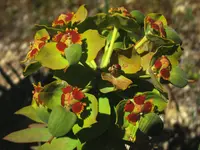
sandpaper sotol Care (Dasylirion serratifolium)

sandpaper sotol

About sandpaper sotol

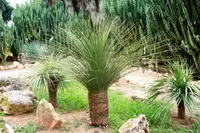
Sandpaper sotol, Dasylirion serratifolium, is a desert-adapted evergreen shrub forming a dense, symmetrical rosette of stiff, narrow leaves. The foliage has a rough, sandpaper-like texture and saw-toothed margins, giving the plant a strong architectural look.

It naturally occurs in arid and semi-arid regions of Mexico and the southwestern United States, where it tolerates intense sun, heat, and poor, rocky soils. Growth is slow but long-lived, which suits low-maintenance landscapes.

This species is generally easy to manage if given sharp drainage and minimal extra water. Understanding how to care for sandpaper sotol mainly involves providing full sun, dry conditions, and avoiding heavy, waterlogged soil.

Main Plant Requirements

Care Difficulty

Easy Care

Light Preference

Full Sun

Water Requirements

Low Water

Temperature Preference

Warm Climate

Hardiness Zone

8–11

Soil Texture

Sandy, Loamy, Rocky

Soil pH

Slightly acidic (6.5–7.0), Slightly alkaline (7.0–7.5)

Soil Drainage

Well-drained

Fertilization

Minimal (feed rarely)

Get Personalized Care Plan

Scan your plant to receive care tips personalized for your specific plant

Available on iOS and Android

How to Care for the sandpaper sotol

This desert shrub prefers strong sun but adapts to slightly lower light in hot regions.

  • Provide 6–10 hours of direct sun daily; in very hot climates, give sandpaper sotol light afternoon shade to reduce leaf scorch.
  • Site the plant in an open, unshaded position with full morning sun; filtered light is acceptable only in climates with intense summer heat.
  • Watch foliage color and form: plants in too much shade elongate, lean, and lose stiffness, while extreme all-day sun with reflected heat can cause brown leaf tips.

This species is highly drought-tolerant and prefers infrequent, deep watering once established.

  • Outdoors in well-drained soil, water only when the top 5–8 cm is completely dry; in arid heat, this is often every 2–4 weeks for mature plants.
  • During the first growing season, water more often, letting soil dry between soakings to encourage deep roots in Dasylirion serratifolium.
  • Reduce or stop supplemental watering in cool seasons; yellowing, soft, or collapsing leaves suggest overwatering, while crisp, folding leaves indicate the plant has been dry for a long period.

This desert-adapted plant tolerates heat and moderate cold when kept dry and well-drained.

  • Optimal growth occurs around 70–90°F (21–32°C); it handles higher summer temperatures if soil drains quickly and air circulation is good.
  • Mature plants can survive brief drops near 10–15°F (-12 to -9°C) when dry, but young specimens are safer above 20°F (-6°C).
  • Protect from prolonged freezes and wet cold; combine frost cloth with sharply drained soil, and avoid reflected heat sources that push temperatures above 110°F (43°C) around the crown.

This desert shrub tolerates a wide humidity range and rarely needs special adjustment indoors.

  • Target 20–40% relative humidity, similar to dry indoor air, for sandpaper sotol.
  • Dry air is generally tolerated, but combined with intense heat may cause browning at leaf tips and margins.
  • If indoor air is extremely dry and hot, increase humidity slightly by placing the pot on a pebble tray with water below the pot base.

Dasylirion serratifolium needs very fast-draining, mineral soil to prevent root rot.

  • Use a gritty, sandy mix such as 50–60% coarse sand or small gravel combined with cactus potting mix.
  • Ensure strong drainage by avoiding fine, peat-heavy substrates that compact and retain water around the roots.
  • Keep pH slightly acidic to neutral, around 6.0–7.0, which most cactus or succulent mixes provide.
  • For heavy native soils, improve aeration and drainage by incorporating crushed gravel, pumice, or coarse perlite at planting sites.

This species can grow successfully in containers if drainage and stability are carefully managed.

  • Choose a wide, heavy container that resists tipping as the leaf rosette becomes large and top-heavy.
  • Select unglazed clay or another porous material to let excess moisture evaporate from the root zone quickly.
  • Elevate the pot on feet or bricks so drainage holes never sit in collected water after rain or irrigation.

This drought-adapted plant needs only light feeding, so caring for sandpaper sotol focuses more on sun and drainage than fertilizer.

  • Apply a balanced slow-release fertilizer (around 10-10-10) at half strength once in spring for in-ground plants.
  • For containers, use a diluted balanced liquid feed every 6–8 weeks during the warm growing season.
  • Avoid rich compost or frequent feeding, which encourages weak, lush growth instead of sturdy structure.
  • Stop fertilizing in late summer so growth hardens before cooler fall and winter conditions.

Pruning needs for Dasylirion serratifolium are minimal and focus on safety and appearance rather than shaping.

  • Best time is late winter to early spring, before active growth starts.
  • Remove only dead, brown, or damaged leaves, cutting close to the trunk without nicking living tissue.
  • Use sharp bypass pruners or loppers and sturdy gloves to manage the spiny leaf margins safely.
  • Limited pruning maintains the natural spherical form and avoids stressing the plant or reducing vigor.

This species is usually grown in the ground and dislikes frequent disturbance of its deep, fibrous root system.

  • Transplant in late spring or early summer once soil has warmed and the risk of frost is past.
  • Look for slow growth, roots circling the pot, or the plant becoming top-heavy as signs a container specimen needs a larger pot.
  • When moving, lift with a large soil root ball, handle roots gently, and keep them out of direct sun and wind while exposed.
  • Replant in very free-draining soil, water thoroughly once, then allow the root zone to dry slightly to limit transplant shock.

Dasylirion serratifolium is most often propagated from seed, but the process is slow and mainly used by specialist growers.

This desert-adapted species is relatively cold hardy when established but benefits from some winter attention in colder regions.

  • Mature plants tolerate light freezes, but young or potted plants are more vulnerable to prolonged frost.
  • In zones near its hardiness limit, add a 5–8 cm layer of dry mulch around the root zone, keeping it off the crown.
  • For containers, move pots to a bright, cool, sheltered spot indoors or in an unheated garage before hard freezes.

Care Tips

Safe access planning

When planting, leave at least 60–90 cm of clearance around the rosette so you can safely access the base for cleanup and inspection without being scratched by the stiff, serrated leaves.

Armored maintenance gear

Use thick gloves, eye protection, and a long-handled pruning tool when removing dead leaves or spent flower stalks to prevent injury and allow more precise, patient work on this spiny species.

Weed and mulch strategy

Apply a 3–5 cm layer of coarse, inorganic mulch such as gravel around but not touching the crown to suppress weeds, reflect heat, and keep the neck of the plant dry and less prone to rot.

Root stability support

In very windy or exposed sites, lightly mound additional gritty soil or gravel around the root zone and avoid loosening the base, which helps anchor the plant as the rosette becomes top-heavy with age.

Inspection-friendly layout

Place this plant where you can visually inspect the crown and lower leaves from at least one side without reaching through the foliage, which makes caring for sandpaper sotol and spotting pests or rot much easier over time.

Common Pests and Diseases

Agave snout weevil

This pest bores into the stem and crown, causing hidden internal damage that leads to sudden collapse of the rosette. Symptoms include yellowing, wilting, and a foul smell from the crown area.

Solution

Remove and destroy any heavily infested plants, including the crown and main roots, to prevent spread. For remaining plants, use a systemic insecticide labeled for snout weevils in arid ornamentals, applied to the soil around the base in warm months, and avoid excess moisture that can speed internal rot after damage.

Scale insects

These insects attach along the leaf margins and leaf bases, sucking sap and weakening the plant over time. Symptoms include sticky honeydew, sooty mold on nearby surfaces, and slow, uneven growth.

Solution

Physically remove visible scale with a soft brush or cloth and a mild soap solution, paying attention to tight leaf bases where they hide. For persistent colonies, apply a horticultural oil or insecticidal soap thoroughly to all leaf surfaces in dry, mild weather and repeat as the label directs.

Aloe mite (eriophyid mite)

This pest causes distorted, swollen, or blistered patches on leaves, sometimes with rough or corky tissue. Symptoms include localized deformities that do not follow normal leaf symmetry, often starting near the base or mid-leaf.

Solution

Cut out and discard affected leaves and any visibly deformed tissue, disposing of the material in the trash, not compost. When nearby succulent species are affected, isolate plants and consider a targeted miticide labeled for eriophyid mites, combined with regular inspection to catch new growth abnormalities early as part of broader Dasylirion serratifolium plant care.

Leaf spot (fungal)

This disease creates small, tan to brown spots on the stiff leaves, sometimes with darker borders. Symptoms include spots that may merge into irregular lesions, especially in humid or poorly ventilated conditions.

Solution

Trim off the worst affected leaves to reduce spore load and improve air circulation around the rosette, avoiding overhead watering that wets the foliage for long periods. In recurrent cases, use a broad-spectrum fungicide labeled for ornamental foliage plants during humid seasons and space plants so air can move freely between them.

Crown rot (bacterial/fungal)

This disease affects the central growing point when water sits in the leaf rosette, leading to a soft, mushy crown and collapsing inner leaves. Symptoms include a foul odor, darkened tissue at the center, and easy leaf pull-out from the base.

Solution

Remove and discard all soft, discolored crown tissue and any dead leaves to expose firm, healthy material, and allow the plant to dry in a well-ventilated, sunny position. Prevent recurrence by planting on sharply drained, gritty soil, avoiding overhead irrigation that fills the rosette, and using drip or low-angled watering so the crown stays mostly dry.

Interesting Facts

Coastal chaparral specialist

This species is naturally restricted to dry, rocky chaparral and coastal scrub in Baja California Sur, where it experiences strong sun, wind, and highly draining, often limestone-rich soils.

Harsh-sun leaf design

Its narrow, stiff leaves with finely serrated margins reduce water loss and cast shade on the plant’s own stem base, a structural adaptation to survive intense solar radiation and long dry periods.

Slow trunk formation

In habitat this plant often spends many years as a stemless rosette before gradually forming a short, woody trunk, a growth pattern that reflects very slow biomass accumulation in nutrient-poor conditions.

Botan icon

Did you know?

In parts of its native range, old individuals of this species often function as habitat micro-islands, with their dense leaf skirts and decaying leaf bases providing shelter and cooler, moister microsites for insects, reptiles, and seedlings of other desert plants.

FAQs about sandpaper sotol

Flowering often starts only on older, well-established rosettes. Lack of blooms usually relates to plant immaturity, insufficient heat, or nutrient-rich, overwatered conditions. It flowers best in lean, very well-drained soil and consistent full outdoor exposure.

Grow Healthy Plants with Botan Care

Keep your plants happy and healthy with plant identification, disease detection, and easy care guidance.

Botan plant care app — identify plants on mobile

Explore More Plants