Milkthorn Care (Euphorbia stellata)

Also known as: Star Euphorbia
Milkthorn

About Milkthorn

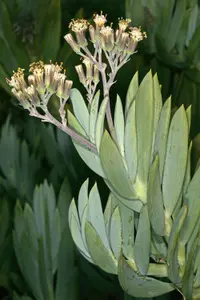
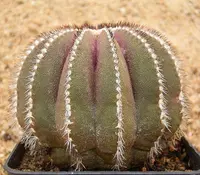
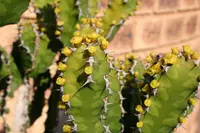
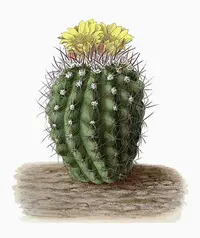
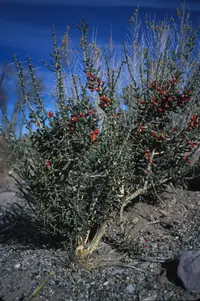
Euphorbia stellata is a small succulent from South Africa, known for its swollen, woody caudex and radiating, star-like branches. It grows slowly and stays compact, which makes it suitable for container culture and specialized collections. The plant often develops rough, textured stems and sparse, seasonal leaves, giving it a sculptural, bonsai-like look. It prefers bright, indirect to lightly filtered sun, a very free-draining mineral substrate, and careful watering with long dry intervals. Understanding how to care for Euphorbia stellata is important, as it dislikes excess moisture and needs stable, warm conditions to stay healthy over the long term.

Main Plant Requirements

Care Difficulty

Moderate Care

Light Preference

Full Sun

Water Requirements

Low Water

Temperature Preference

Tropical / Frost Sensitive

Hardiness Zone

10–11

Soil Texture

Sandy, Loamy, Rocky

Soil pH

Slightly acidic (6.5–7.0), Neutral (7.0)

Soil Drainage

Well-drained

Fertilization

Minimal (feed rarely)

Get Personalized Care Plan

Scan your plant to receive care tips personalized for your specific plant

Available on iOS and Android

How to Care for the Milkthorn

This drought-tolerant succulent prefers bright, direct light similar to its native arid habitats.

  • Provide 4–6 hours of direct morning sun plus bright indirect light for the rest of the day; outdoor plants thrive in an open, unshaded spot with strong light.
  • Tolerates light afternoon shade, especially in very hot climates, to reduce scorching on the caudex and stems.
  • Monitor for stress: pale, elongated growth signals too little light, while brown, crisp patches on the skin indicate sunburn and the need for more shade.

Watering should mimic brief desert rains followed by dry periods.

  • Allow the top 3–5 cm of soil to dry completely before watering; in active growth this may mean watering every 10–21 days, depending on heat and potting mix.
  • Use very fast-draining, gritty soil and a pot with large drainage holes to prevent root and caudex rot from standing moisture.
  • In winter dormancy, water only when the plant slightly wrinkles and soil is fully dry; soft, yellowing tissue suggests overwatering, while severe shriveling signals extended drought.

Stable warm conditions with strong light support compact, healthy growth.

  • Aim for 70–85°F (21–29°C) during the growing season, with good airflow to prevent heat buildup around the caudex and roots.
  • Protect from cold: growth slows below 60°F (16°C), and the plant should be kept above 45°F (7°C) to avoid chilling injury or tissue damage.
  • Euphorbia stellata is highly sensitive to frost; avoid exposure near 32°F (0°C) and shield from heat spikes above 100°F (38°C) with light shade and ventilation.

This species tolerates a wide humidity range and rarely needs special adjustment indoors.

  • Aim for 30–50% humidity, similar to most heated or air-conditioned homes.
  • Dry air is usually tolerated; humidity stress shows as soft, shriveled new growth rather than crisp leaf edges.
  • If air is extremely dry near heaters or vents, move the plant away or place a shallow water tray nearby to slightly raise local humidity.

This succulent needs a very fast-draining, mineral-rich mix to protect its caudex and roots from rot.

  • Use a gritty mix such as 50–70% inorganic material (pumice, coarse perlite, chicken grit, or lava rock) with 30–50% coarse, low-peat cactus substrate.
  • Aim for slightly acidic to neutral pH around 6.0–7.0, which supports nutrient availability without encouraging rot organisms.
  • Ensure the mix feels loose and airy; coarse particles should prevent compaction and allow rapid water movement through the pot.
  • Avoid dense, peat-heavy, or moisture-retentive mixes, and never let the soil stay wet or muddy after watering.

This species is very suitable for container growing due to its compact caudiciform habit.

  • Choose a heavy ceramic or clay pot to counterbalance the swollen caudex and reduce tipping risk as it matures.
  • Select a pot only 2–4 cm wider than the caudex to keep the root zone slightly confined and encourage quicker drying between waterings.
  • Raise the container on feet or a stand so drainage holes stay clear and water can leave the pot immediately after irrigation.

This succulent requires light feeding, as Euphorbia stellata is adapted to lean, rocky soils.

  • Use a balanced liquid cactus fertilizer at 1/4–1/2 strength, or a low-dose slow-release formula in spring.
  • Feed every 4–6 weeks during active growth in late spring and summer only.
  • Avoid high-nitrogen products, which encourage weak, elongated growth and increase rot risk.
  • Stop fertilizing in fall and winter during dormancy to prevent soft, etiolated tissue.

Pruning needs are minimal and focus on cleanliness and safe handling when working on Euphorbia stellata.

  • Best time for any shaping or cleanup is late spring, when active growth resumes.
  • Remove dead, shriveled, or damaged stems only, using sharp, disinfected scissors or pruners.
  • Cut sparingly to preserve the natural caudex form; heavy cutting can distort the plant’s character.
  • Wear gloves and avoid skin contact with the milky sap, which can be irritating.

This species grows slowly and prefers infrequent repotting in a stable, well-drained container environment.

  • Repot every 3–4 years, or when roots circle the pot or growth slows despite proper light and water.
  • Plan repotting for late spring, as new growth begins, to support quick root recovery.
  • Use a shallow pot with ample drainage holes and a gritty cactus mix to limit excess moisture.
  • Handle the caudex and roots gently, keep the new soil just slightly moist, and withhold fertilizer for 3–4 weeks.

Propagation of Euphorbia stellata is possible but slower and more specialized than many common houseplants.

  • Most often propagated from seed; sow in late spring in a warm (70–80°F), bright, sheltered spot.
  • Use a sterile, gritty seed mix, keep lightly moist, and provide gentle bottom warmth if possible.
  • Stem cuttings are less common; if attempted, allow cut surfaces to callus for several days before potting in dry medium.
  • Always wear gloves, avoid contact with the latex sap, and provide bright, indirect light for young plants.

Winter care focuses on preventing cold damage and excess moisture around the caudex and roots.

  • This plant is frost-sensitive; maintain temperatures above 50°F, especially at night.
  • For containers, move plants indoors or into a greenhouse before the first frost.
  • Keep soil nearly dry in winter, giving only light sips of water to prevent shriveling.
  • Provide bright light and good air movement to avoid rot in cool conditions.

Care Tips

Rotate for symmetry

Rotate the pot 90° every 2–3 weeks so the caudex and arms develop evenly and do not lean permanently toward the light source.

Surface top-dressing

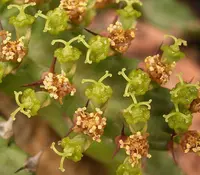
Apply a thin top-dressing of coarse mineral grit (such as pumice or small gravel) around the base to keep the caudex dry at the neck and reduce the risk of rot from splashing water.

Dormancy adjustment

Reduce watering and keep the plant slightly cooler during its natural rest phase when leaves are sparse or absent, then only resume higher moisture levels once active new growth is clearly visible.

Safe handling routine

Handle the plant with gloves or folded paper when repotting or cleaning, and immediately wash off any sap from skin or tools, as the latex is irritating and can also damage nearby plant tissue.

Targeted pest checks

Inspect the caudex crevices and underside of new shoots every few weeks for mealybugs or scale, using a cotton swab dipped in 70% isopropyl alcohol to remove any early infestation before it spreads, which is essential when caring for Euphorbia stellata in collections with other succulents.

Common Pests and Diseases

Mealybugs

This pest commonly hides in the crevices of the caudex and along the ribbed stems, sucking sap and weakening growth. Symptoms include white cottony masses, sticky honeydew, and distorted new growth.

Solution

Isolate the plant, then dab visible insects with cotton swabs dipped in 70% isopropyl alcohol and repeat weekly until clear. Increase light and airflow, avoid excess nitrogen fertilizer, and for heavier infestations use a systemic insecticide labeled for succulents, following all safety directions.

Spider mites

These insects thrive on Euphorbia stellata in warm, dry indoor air and on outdoor plants during hot spells, causing fine stippling and dull, rough-looking stems. Symptoms include tiny webbing in crevices and yellowing or bronzing patches on the photosynthetic tissue.

Solution

Rinse the plant thoroughly with a firm but gentle stream of water, focusing on crevices and undersides, then allow it to dry in bright light. Raise humidity slightly around the plant without wetting the soil and apply a horticultural oil or insecticidal soap labeled for mites, repeating at 5–7 day intervals until no new damage appears.

Woolly aphids

These insects form fuzzy white colonies around old leaf scars, branch bases, and flower stems, feeding on sap and leaving sticky honeydew. Symptoms include slow growth, distorted new tissue, and sometimes sooty mold growing on the honeydew deposits.

Solution

Remove heavily infested areas with a soft brush or by rinsing under lukewarm water, taking care not to soak the caudex for long periods. Follow with spot treatment using alcohol on cotton swabs or an insecticidal soap spray, and reduce outdoor attraction by keeping nearby weeds and ant activity under control.

Powdery mildew

This disease occasionally develops on the green photosynthetic portions of the stems when airflow is poor, creating a white, talc-like coating. Symptoms include dull, faded-looking tissue, small patches of white growth, and reduced vigor in severe cases.

Solution

Move the plant to a brighter, more ventilated spot and avoid overhead watering so the stems stay dry. Gently wipe affected areas and apply a sulfur-based or potassium bicarbonate fungicide suitable for succulents, repeating as directed until no new spots form; this is especially useful when learning how to take care of Euphorbia stellata.

Fusarium stem canker

This disease can affect the caudex and lower stems when soil remains slightly damp and warm for long periods, leading to sunken, discolored patches that may crack. Symptoms include localized softening, brown to reddish streaks in the tissue, and gradual collapse of the affected area if not checked early.

Solution

At first signs, dry the plant thoroughly by extending the watering interval and improving drainage, then carefully cut out small, localized cankers with a sterile blade and dust wounds with a dry sulfur or copper-based fungicide. Discard severely affected plants and always use clean pots, fresh well-draining cactus mix, and avoid reusing soil from diseased specimens.

Interesting Facts

Flattened caudex form

This species develops a flattened, disc-like caudex (swollen stem base) that creeps along or slightly above the soil surface, unlike the more spherical caudex of many other succulent euphorbias.

Star-shaped shoot pattern

The radiating arms that emerge from the caudex often arrange in a roughly star-like pattern, which inspired the name stellata, meaning star-shaped in Latin.

Dry-season leaf drop

In its native South African habitat, this plant naturally sheds its leaves and contracts into a more inactive state during the dry season, an adaptation that reduces water loss in its rocky, semi-arid environment.

FAQs about Milkthorn

Slow growth is normal for this caudiciform succulent. Growth further slows if light is low, temperatures are cool, or fertilizer is excessive. It also rests in the cooler season, so visible growth may pause for several months.

Grow Healthy Plants with Botan Care

Keep your plants happy and healthy with plant identification, disease detection, and easy care guidance.

Botan plant care app — identify plants on mobile

Explore More Plants