

Encourage Compact Growth
Pinch back the longest, leggy shoots by 1–2 in at the start of the warm season to keep the plant dense, low, and well-branched instead of sprawling sparsely.

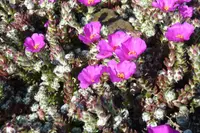
Portulaca werdermannii is a small, mat-forming succulent herb from arid regions of South America. It grows close to the ground, forming low cushions or patches. Leaves are thick, fleshy, and usually cylindrical or club-shaped, helping the plant store water in dry conditions. Stems can be reddish or green and may branch densely. Flowers are typically small but bright, opening in good light and adding color to rock gardens or dry, sunny spots. Its compact habit and drought tolerance make it suitable for containers, troughs, and outdoor collections in warm climates. Once its needs are understood, it is relatively straightforward to care for Portulaca werdermannii.

Care Difficulty
Moderate Care

Light Preference
Full Sun

Water Requirements
Low Water

Temperature Preference
Tropical / Frost Sensitive

Hardiness Zone
Unknown

Soil Texture
Sandy, Rocky, Loamy

Soil pH
Slightly acidic (6.5–7.0), Neutral (7.0)

Soil Drainage
Well-drained

Fertilization
Minimal (feed rarely)
Scan your plant to receive care tips personalized for your specific plant
Available on iOS and Android
This compact succulent thrives in strong light and needs several hours of direct sun to flower well.
This drought-tolerant species prefers infrequent, thorough watering in sharply draining soil.
This warm-season succulent prefers consistently warm conditions and is damaged by frost.
This species thrives in dry air and does not need elevated humidity.
This plant prefers very fast-draining, sandy substrates that mimic rocky, arid habitats.
This species is well-suited to container growing when drainage and shallow root space are managed carefully.
This drought-tolerant succulent needs only light feeding during its active season for healthy, compact growth.
Pruning helps this low, spreading succulent stay compact and encourages fresh flowering growth.
This species prefers tight, shallow containers and does not need frequent repotting.
New plants are commonly produced from stem cuttings and sometimes from seed.
This warm-season succulent is very frost sensitive and requires protection in cold climates.

Plant Health Check
Not sure what's wrong with your plant? Check your plant's health inside the app.
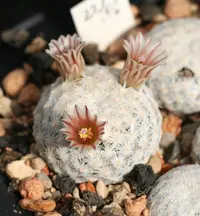
This species is a small, cushion-forming succulent native to high-altitude regions of northern Chile, where it grows in rocky, very open habitats with intense sun and large temperature swings between day and night.
Unlike many other Portulaca species, it forms short, knobbly, tuberculate stems that store water, giving the plant a low, sculptural appearance even when not in flower.
In habitat it develops relatively shallow roots that exploit brief pulses of moisture from light rains or fog, an adaptation to extremely dry, well-drained mineral soils.
This species performs best outdoors in bright, dry conditions with good airflow. Indoors it tends to stretch and weaken unless given very strong light and careful watering, so outdoor planting is usually preferable for compact, healthy growth.
Keep your plants happy and healthy with plant identification, disease detection, and easy care guidance.

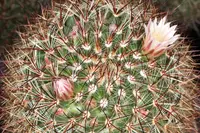
Mammillaria discolor
Mammillaria discolor
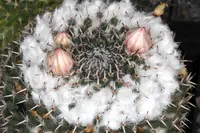
Mammillaria formosa
Mammillaria formosa
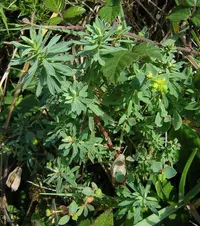
Portland Spurge
Euphorbia portlandica
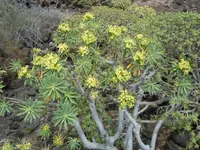
Euphorbia regis-jubae
Euphorbia regis-jubae
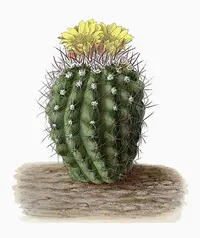
Copiapoa coquimbana
Copiapoa coquimbana
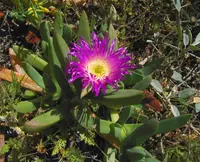
ice plant
Carpobrotus chilensis
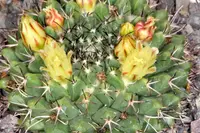
Mammillaria karwinskiana
Mammillaria karwinskiana
lacespine nipple cactus
Mammillaria lasiacantha