Pacific stonecrop Care (Sedum divergens)

Also known as: cascade stonecrop, spreading stonecrop
Pacific stonecrop

About Pacific stonecrop

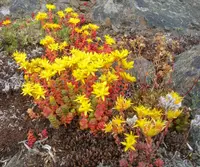
Pacific stonecrop (Sedum divergens) is a low-growing, mat-forming succulent from western North America, often found on rocky slopes and coastal bluffs. It forms dense carpets of small, fleshy, rounded leaves that turn reddish in strong sun, with clusters of bright yellow star-shaped flowers in summer.

This species is adapted to poor, shallow soils and dry conditions, which makes it suitable for rock gardens, green roofs, and groundcover in sunny spots. Its drought tolerance and slow, controlled spread make it straightforward to care for Pacific stonecrop in most home gardens, as long as it receives good light, well-drained soil, and protection from prolonged waterlogging.

Main Plant Requirements

Care Difficulty

Easy Care

Light Preference

Full Sun

Water Requirements

Low Water

Temperature Preference

Cold Hardy

Hardiness Zone

3–9

Soil Texture

Sandy, Loamy, Rocky

Soil pH

Slightly acidic (6.5–7.0), Neutral (7.0)

Soil Drainage

Well-drained

Fertilization

Minimal (feed rarely)

Get Personalized Care Plan

Scan your plant to receive care tips personalized for your specific plant

Available on iOS and Android

How to Care for the Pacific stonecrop

Sedum divergens thrives with plenty of light but benefits from some protection in very hot climates.

  • Provide 6–8 hours of sun daily; morning sun with light afternoon shade helps prevent leaf scorch in hot, dry regions.
  • Pacific stonecrop tolerates partial shade, but stems may stretch and foliage color fade if it receives less than 4–5 hours of direct sun.
  • In summer, protect from intense late-afternoon sun; in winter, avoid heavy shade from buildings or shrubs to maintain compact growth.

This succulent prefers infrequent, deep watering and dries quickly between waterings.

  • Water only when the top 2–4 cm of soil are fully dry; in most climates this means less frequent watering than non-succulent perennials.
  • Ensure sharply draining soil or a rocky slope so water runs through fast, reducing the risk of root rot and mushy, yellowing leaves.
  • In cool, wet seasons reduce or stop supplemental watering; wrinkling, soft foliage signals underwatering, while translucent, splitting leaves suggest overwatering in Sedum divergens.

This species is cold-hardy but grows best in moderate, dry conditions.

  • Active growth is strongest around 60–75°F (16–24°C), especially in spring and early summer with good light and drainage.
  • Mature plants often tolerate down to about 0°F (-18°C) in well-drained soil; brief colder snaps are survived better if crowns stay dry.
  • Heat tolerance is good up to about 90–95°F (32–35°C) if soil does not stay wet; provide slight afternoon shade during extreme heat waves.

This species tolerates a wide humidity range and rarely needs special humidity management indoors or outdoors.

Sedum divergens prefers very fast-draining, mineral-rich soil that mimics rocky, sandy slopes.

  • Use a gritty mix such as 50–70% mineral content (pumice, coarse sand, or small gravel) blended with 30–50% standard potting mix.
  • Ensure water drains through in seconds, not minutes, and never allow the mix to stay wet or muddy.
  • Aim for slightly acidic to neutral pH around 6.0–7.0, which suits most succulents and aids nutrient availability.
  • Avoid heavy clay, high-peat, or compacted mixes; lighten them with extra pumice or perlite to improve aeration and drainage.

This species is very suitable for container growing, including shallow bowls and rock-style planters.

  • Choose a shallow but wide container to accommodate its mat-forming, spreading roots without trapping deep moisture.
  • Select unglazed terracotta or similarly porous material if extra evaporation is needed in wetter climates.
  • Use a container that is heavy or low to the ground to prevent tipping as the plant spreads over the pot edge and adds weight.

Sedum divergens needs only light feeding, as it is adapted to lean, well-drained soils.

  • Apply a diluted balanced liquid fertilizer (around 10-10-10 at 1/4 strength) once in mid to late spring for container plants.
  • Use a small amount of fine compost mixed into the top 2–3 cm of soil instead of frequent synthetic feeding.
  • For caring for Pacific stonecrop in poor or sandy garden soils, a single slow-release, low-nitrogen dose in spring is sufficient.
  • Stop fertilizing in late summer; do not feed in fall or winter when growth slows or plants go dormant.

Sedum divergens benefits from light pruning to keep mats dense and tidy.

  • Trim back leggy or elongated stems in early spring to encourage compact, branching growth.
  • Remove dead, damaged, or mushy stems at any time using clean, sharp scissors or small pruning shears.
  • Lightly shear spent flower stems after blooming to maintain a neat, even groundcover surface.
  • Avoid cutting into very old woody bases; focus on soft, green growth for better recovery.

This low-growing sedum rarely needs frequent repotting but responds well to careful transplanting.

  • Check for roots circling the pot drainage holes or noticeably slower growth as signs a container plant needs more space.
  • Transplant or repot in spring or early summer, aiming for every 2–3 years for potted clumps grown in fast-draining mix.
  • Lift and move garden patches during cool, dry weather, replanting shallowly into gritty, well-drained soil to limit root stress.
  • Water lightly after transplanting, then allow soil to dry between waterings so disturbed roots can reestablish without rotting.

Sedum divergens is commonly multiplied by stem cuttings and division, with seeds used less often.

  • Take 3–6 cm non-flowering stem cuttings in late spring or summer, remove lower leaves, and allow cut ends to dry for 1–2 days.
  • Place cuttings on or just in gritty, barely moist mix under bright, indirect light until roots form in 2–4 weeks.
  • Divide mature clumps in spring, gently teasing apart sections with roots and replanting them at the same depth.
  • For seed propagation, sow on the surface of well-drained mix, keep lightly moist, and provide bright light and mild warmth.

This species is generally cold hardy and needs minimal winter care in most temperate gardens.

  • Plants in the ground tolerate typical frost in many regions, though foliage may die back and regrow in spring.
  • Apply a thin, gritty mulch around the crown in late fall to improve drainage rather than to add warmth.
  • Move small containers to a sheltered, unheated but frost-prone area and keep soil almost dry to prevent root rot.

Care Tips

Segmented propagation

When stems become leggy, cut 3–5 cm segments, let them callus for 1–2 days, then lay them on gritty mix so new roots and rosettes form and you can gradually rejuvenate and thicken the mat.

Edge containment

In rock gardens or shallow dishes, install a low physical barrier such as a 2–3 cm stone edging to keep the mat from overtaking slower groundcovers while still allowing good airflow at the margin.

Winter moisture control

In regions with wet winters, tilt containers slightly or raise one side on pot feet so excess rain drains off quickly and foliage does not sit in persistently wet media during dormancy.

Targeted pest checks

Inspect stems and leaf axils monthly for aphids and mealybugs, and if found, spot-treat only the affected areas with a cotton swab dipped in isopropyl alcohol to avoid unnecessary spraying of the whole planting.

Mat grooming

Once or twice a year, gently lift and remove dead leaves and spent, woody stems from the base of the mat to reduce fungal buildup and keep light reaching the newer growing tips when caring for Pacific stonecrop.

Common Pests and Diseases

Aphids

This pest feeds on new, tender growth and can cause distorted stems and sticky honeydew on leaves and stems.

Solution

Rinse colonies off with a firm stream of water, then treat remaining insects with insecticidal soap or a ready-to-use neem oil spray, repeating weekly until no new aphids appear. Encourage natural predators such as lady beetles outdoors and avoid high-nitrogen fertilizer that pushes overly soft growth.

Mealybugs

These insects appear as white, cottony clusters in leaf axils and along stems, where they suck sap and weaken the plant over time.

Solution

Isolate the plant, then dab visible mealybugs with cotton swabs dipped in 70% isopropyl alcohol and wipe infested areas. Follow up with insecticidal soap or neem oil on all plant surfaces and inspect regularly, removing any heavily infested stems if needed.

Spider mites

This pest causes fine webbing, tiny yellow speckles, and a dull, dusty appearance on foliage, especially in hot, dry conditions.

Solution

Spray plants thoroughly with water to dislodge mites, focusing on undersides of leaves, then apply insecticidal soap or a horticultural oil labeled for mites. Increase ambient humidity slightly and reduce heat stress while maintaining good airflow to discourage reinfestation.

Scale insects

These insects form small, hard, brown or tan bumps on stems and leaf surfaces, drawing sap and causing gradual yellowing or stunted growth.

Solution

Gently scrape or rub off scales with a soft brush or cloth dipped in diluted alcohol, then treat remaining insects with a horticultural oil spray to smother them. Inspect joints and lower stems closely over the following weeks and repeat treatment if new scales appear.

Leaf and stem rot

This disease causes water-soaked, mushy, or blackened sections on leaves and stems, usually starting where water and moisture linger on the plant or soil surface.

Solution

Remove and discard all soft or discolored tissue, cutting back to firm, healthy growth, and allow the soil to dry well between waterings. Improve drainage with a gritty succulent mix, avoid overhead watering, and provide strong light and good airflow to prevent further infections and support healthier Sedum divergens plant care.

Interesting Facts

Coastal rock specialist

This species is naturally concentrated along rocky coastal and subalpine sites in the Pacific Northwest of North America, often forming mats in thin, nutrient-poor soils on cliffs and outcrops.

Creeping stem behavior

Its stems root at the nodes as they creep, allowing it to slowly spread and stabilize loose gravelly or sandy substrates without forming a deep root system.

Color shift with stress

The foliage often shifts from green to bronze or reddish tones under strong sun and drought stress due to increased protective pigments such as anthocyanins, which help shield tissues from excess light.

Botan icon

Did you know?

Sedum divergens is a documented larval and adult nectar resource for several native pollinators in its range, including small solitary bees that rely on its summer flowering period when other nectar sources may be limited in rocky habitats.

FAQs about Pacific stonecrop

This species forms low, slowly expanding mats through short, creeping stems. It typically stays well behaved in gardens and rockeries, filling gaps between stones rather than overrunning other plants when given good light and well-drained, lean soil.

Grow Healthy Plants with Botan Care

Keep your plants happy and healthy with plant identification, disease detection, and easy care guidance.

Botan plant care app — identify plants on mobile

Explore More Plants