Lacy hare's-foot Care (Davallia solida var. fejeensis)

Also known as: Lacy hare's-foot fern, Rabbit's Foot Fern, Lacy Paw, Fijian Hares' Foot Fern
Lacy hare's-foot

About Lacy hare's-foot

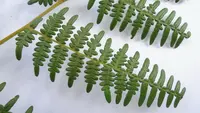
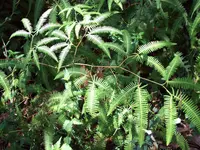
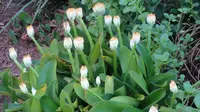
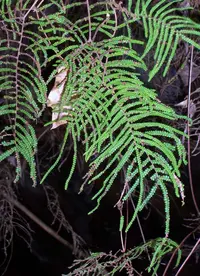
Lacy hare's-foot (Davallia solida var. fejeensis) is an epiphytic fern known for its fine, divided fronds and fuzzy, creeping rhizomes that resemble a hare’s foot. It often grows in hanging baskets or on mounts, where the rhizomes can spread over the surface.

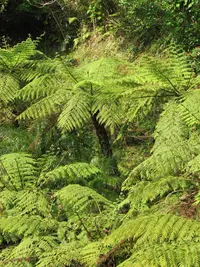
In nature, this fern occurs in tropical and subtropical forests of the Pacific region, where it grows on trees or rocks rather than in heavy soil. Its tolerance for moderate indoor humidity and indirect light makes it relatively manageable for fern lovers, though it dislikes drought and waterlogging.

Understanding how to care for Lacy hare's-foot mainly involves providing airy, well-draining substrate, steady moisture, and protection from harsh, direct sun.

Main Plant Requirements

Care Difficulty

Moderate Care

Light Preference

Bright Indirect Light

Water Requirements

Keep Soil Moist

Temperature Preference

Tropical / Frost Sensitive

Hardiness Zone

10–11

Soil Texture

Loamy, Peaty, Organic-rich

Soil pH

Acidic (5.5–6.5)

Soil Drainage

Moist but well-drained

Fertilization

Light (every 4–6 weeks)

Get Personalized Care Plan

Scan your plant to receive care tips personalized for your specific plant

Available on iOS and Android

How to Care for the Lacy hare's-foot

This fern prefers soft, filtered light that mimics dappled forest shade.

  • Provide bright, indirect light or light shade, such as 2–4 hours of gentle morning sun with protection from harsh midday and afternoon sun.
  • Outdoors, place under high tree canopy, shade cloth, or on an east-facing patio; indoors, Lacy hare's-foot does best 1–2 m from an east or north window with sheer curtain.
  • Watch fronds: pale, scorched tips indicate too much sun; very slow growth and sparse fronds suggest not enough light, especially in winter.

This species prefers evenly moist but never waterlogged conditions around its fibrous rhizomes.

  • Water when the top 2–3 cm of soil or substrate feels dry, allowing moisture deeper down to remain slightly damp but not soggy.
  • Use a loose, well-draining mix and allow excess water to drain fully; avoid standing water, which leads to rhizome rot and black, mushy roots.
  • In cooler months reduce frequency as growth slows; crisping frond tips suggest underwatering, while yellowing, soft fronds often signal overwatering in Davallia solida var. fejeensis.

This fern thrives in mild, frost-free conditions similar to sheltered subtropical understory.

  • Aim for 65–80°F (18–27°C) for active growth, avoiding sudden drops or hot, stagnant air around the plant.
  • Protect from cold: growth slows below 55°F (13°C) and prolonged exposure below 40°F (4°C) can damage fronds and rhizomes.
  • In hot spells above 86°F (30°C), increase shade and airflow to prevent stress; never expose the plant to frost, as tissues are not frost-hardy.

This fern prefers moderate to high, stable humidity to keep fronds lush and tips from drying.

  • Aim for 50–70% humidity; it tolerates brief dips lower but prolonged very dry air will crisp frond edges and tips.
  • Watch for pale, browning fronds and rolled pinnae as signs of humidity stress in Lacy hare's-foot.
  • Increase humidity with a nearby humidifier, grouped plants, or a pebble tray, rather than wetting the rhizomes directly.

This epiphytic-type fern needs a loose, airy, and fast-draining mix that still retains steady moisture.

  • Use an organic-rich mix such as 50% peat or coco coir, 25% fine bark, and 25% perlite for structure and aeration.
  • Ensure water drains freely; the mix should feel springy and never compact into a heavy, waterlogged mass.
  • Keep pH slightly acidic to neutral, around 5.5–7.0, which supports nutrient availability and healthy root growth.
  • Avoid dense garden soil, high-clay mixes, or decomposed potting media that stay wet and suffocate Davallia solida var. fejeensis rhizomes.

This species is very suitable for container growing, including hanging baskets and shallow decorative pots.

  • Choose a wide, shallow container so creeping rhizomes can spread across the surface rather than forcing them into depth.
  • Select a breathable pot material like unglazed clay if the mix stays wet too long, to help moisture escape through the sides.
  • Raise the container slightly on pot feet or a stand so drainage holes stay clear and excess water can leave quickly, preventing soggy conditions.

This fern needs modest feeding to support steady frond growth without stressing its fine roots.

  • Use a balanced liquid fertilizer (around 10-10-10 or 20-20-20) diluted to 1/4–1/2 strength for Lacy hare's-foot.
  • Feed every 4–6 weeks in spring and summer when new fronds are actively emerging.
  • Stop or reduce feeding to once in 8–10 weeks during fall and winter, when growth slows.
  • Apply only to moist substrate and flush with plain water occasionally to prevent salt buildup around rhizomes.

Light pruning keeps Davallia solida var. fejeensis tidy and encourages healthy new fronds.

  • Best time is late winter to early spring, just before strong new growth starts.
  • Snip off dead, yellowing, or damaged fronds at the base using clean, sharp scissors or pruning shears.
  • Thin out very crowded fronds to improve air flow and reduce fungal problems in dense foliage.
  • Avoid cutting healthy furry rhizomes; selective removal maintains natural cascading shape.

This fern prefers slightly snug conditions, so repot only when clear signs of crowding appear.

  • Check for roots circling the pot, pushing the plant upward, or water running straight through as signals to repot.
  • Plan repotting for late winter or early spring, every 2–3 years, moving to a pot only 2–3 cm wider.
  • Use a shallow, wide container with a loose, airy mix (e.g., peat or coco coir with bark and perlite).
  • Handle rhizomes gently, keep them near the surface, water thoroughly, then keep in bright, indirect light to limit stress.

Division of rhizomes is the standard method to increase this fern.

  • Divide established clumps in spring when active growth is starting and stress recovery is faster.
  • Lift the plant and gently separate sections, ensuring each division has several fronds and healthy rhizome with roots.
  • Plant divisions shallowly in a loose, well-drained mix, keeping rhizomes partly exposed at the surface.
  • Maintain high humidity, steady warmth (65–75°F), and lightly moist substrate until new fronds appear.

This species is not frost hardy and needs mild conditions over winter, especially in containers.

  • Keep indoor temperatures near 60–70°F and avoid cold drafts or sudden temperature drops.
  • If grown outside in mild climates, bring containers indoors before temperatures fall below 45°F.
  • Maintain slightly moist but never soggy substrate; let the top surface dry lightly between waterings in low light.
  • Use a light mulch or moss layer over the root zone in outdoor pots to buffer temperature swings.

Care Tips

Support epiphytic roots

Mount the plant on a fern board or place it in a shallow, wide pot so the creeping rhizomes can rest on the surface and anchor over time, instead of being buried in soil where they may rot.

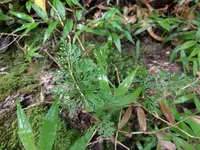
Layered potting method

Create a loose base layer of chunky orchid bark or coarse fern fiber under the main mix to improve air spaces around the rhizomes and reduce the risk of water collecting at the bottom.

Gentle division timing

If division is needed, split the plant only in late spring to early summer, keeping at least 3–4 fronds and several rhizome segments per division, then maintain slightly higher humidity for 2–3 weeks to help re-establishment.

Frond grooming routine

Trim only fully browned fronds at their base with disinfected scissors and lightly dust off the hairy rhizomes by hand rather than rinsing them under strong water, which can damage fine roots.

Pest monitoring zone

Regularly inspect the fuzzy rhizomes and undersides of older fronds with a hand lens, since scale and mealybugs often hide there first, and isolate the plant promptly if pests are found to simplify caring for Lacy hare's-foot in a collection.

Common Pests and Diseases

Scale insects

This pest feeds on fronds and rhizomes, causing yellowing, speckling, and overall decline, especially on older, woody rhizomes above the soil. Symptoms include sticky honeydew and small brown or tan bumps that do not rub off easily.

Solution

Physically remove scales with a cotton swab dipped in 70% isopropyl alcohol and rinse fronds with lukewarm water, taking care not to soak the fuzzy rhizomes for long. For heavier infestations, use a gentle insecticidal soap or horticultural oil spray directed mainly at the fronds and pot edges, and repeat every 7–10 days while improving air movement and avoiding excess fertilizer that stimulates soft, vulnerable growth.

Spider mites

These insects thrive on Lacy hare's-foot grown in warm, dry indoor air, sucking sap from the delicate fronds and causing fine stippling, dull or grayish foliage, and occasional fine webbing. Damage is often worse on plants kept near heating vents or in full sun behind glass.

Solution

Rinse fronds thoroughly under a gentle shower or sink sprayer, then increase humidity around the plant using a pebble tray or humidifier to discourage mites. For persistent issues, apply insecticidal soap to both upper and lower leaf surfaces every 5–7 days for several cycles and keep the plant slightly cooler and away from hot, dry drafts as part of Davallia solida var. fejeensis care.

Rhizome crown rot

This disease affects the exposed, furry rhizomes when they stay soggy or are buried, leading to soft, dark, collapsing sections and sudden frond wilt. Symptoms include a musty smell and fronds that yellow and collapse from the base outward.

Solution

Cut away all soft, darkened rhizome tissue with sterile scissors, discarding badly affected parts, and repot any remaining firm segments into a fast-draining, airy mix with the rhizomes resting on top rather than buried. Reduce watering so the medium dries slightly between waterings, improve airflow around the pot, and avoid letting water sit directly on the rhizomes for long periods.

Leaf spot (fungal)

This disease appears on older fronds as small brown or tan spots that may merge into irregular patches, sometimes with yellow halos. Symptoms include premature frond yellowing and increased spotting in humid, stagnant air or where water sits on leaves.

Solution

Remove and discard heavily spotted fronds, then water at the base to keep fronds as dry as possible and space the plant so air moves freely around it. If new spots continue to appear, use a labeled copper-free fungicide suitable for ferns, applying lightly to fronds and repeating as directed while adjusting watering so the mix stays moist but not saturated.

Mealybugs

This pest hides among the hairy rhizomes and frond bases, producing white cottony masses and sucking plant sap, which leads to distorted new fronds and sticky honeydew. Infestations can be hard to detect at first because the insects tuck into crevices along the rhizome edges and in the pot rim.

Solution

Inspect rhizomes and frond bases closely and dab visible mealybugs with 70% isopropyl alcohol on a cotton swab, then flush fronds gently with lukewarm water. Follow up with repeated applications of insecticidal soap or a light horticultural oil on the fronds and pot surfaces every 7–10 days, taking care not to saturate the rhizomes, and isolate the plant from others until no new insects appear.

Interesting Facts

Epiphytic rock dweller

This fern often grows both as an epiphyte on tree trunks and as a lithophyte on rocks, anchoring its creeping rhizomes into bark crevices and mossy stone surfaces in its native Pacific island habitats.

Feathered frond structure

Its fronds are finely divided 3–4 times, creating a delicate, lacy texture that increases surface area for photosynthesis while allowing good air flow through the canopy in humid forests.

Specialized furry rhizomes

The thick, hairy rhizomes reduce water loss and store moisture and nutrients, an adaptation that helps the plant bridge dry spells when growing exposed on bark or rock surfaces, and is central to Davallia solida var. fejeensis care instructions.

Botan icon

Did you know?

In parts of its native range on Pacific islands, this variety often colonizes old tree fern trunks and palm crowns, forming hanging mats of rhizomes and fronds that create miniature habitats for mosses, liverworts, and small invertebrates high in the forest canopy.

FAQs about Lacy hare's-foot

Brown fronds usually result from low humidity, underwatering, or exposure to hot, dry drafts. Salt buildup from fertilizer or very hard water can also scorch tips. Trim dead parts, flush the pot occasionally, and improve ambient humidity.

Grow Healthy Plants with Botan Care

Keep your plants happy and healthy with plant identification, disease detection, and easy care guidance.

Botan plant care app — identify plants on mobile

Explore More Plants