Contain Rhizome Spread
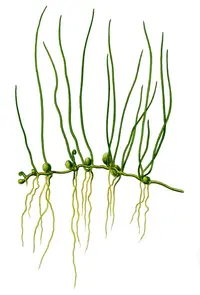
Plant in a large, bottomless container sunk into the ground or use a deep root barrier to keep the creeping rhizomes from invading nearby planting areas and lawn.

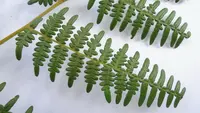
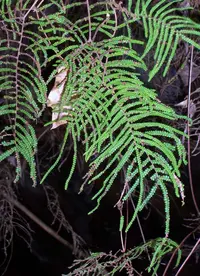
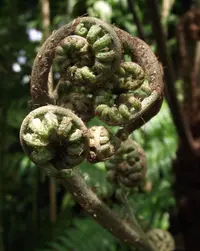
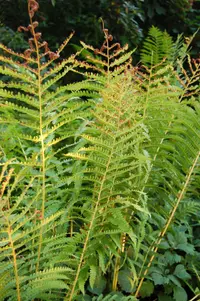
Tropical brackenfern, Pteridium arachnoideum, is a terrestrial fern known for its finely divided, triangular fronds that form low, spreading colonies. It grows from creeping underground rhizomes, allowing it to cover large areas over time.
This species is native to tropical and subtropical regions of the Americas, where it often occupies open woodlands, grasslands, and disturbed sites. It is generally tough and adaptable, but its vigorous growth can make it challenging to manage in small gardens.
Understanding how to care for tropical brackenfern starts with providing consistent moisture, good drainage, and bright, filtered light similar to its native habitats.

Care Difficulty
Moderate Care

Light Preference
Partial Shade

Water Requirements
Moderate Water

Temperature Preference
Warm Climate

Hardiness Zone
9–11

Soil Texture
Loamy, Sandy, Organic-rich

Soil pH
Acidic (5.5–6.5)

Soil Drainage
Moist but well-drained

Fertilization
Minimal (feed rarely)
Scan your plant to receive care tips personalized for your specific plant
Available on iOS and Android
This fern prefers bright, filtered light that mimics a lightly shaded forest edge.
This fern thrives in consistently moist but not waterlogged soil.
This species favors mild, frost-free conditions similar to a warm, shaded woodland.
This fern prefers consistently moist air to keep fronds lush and hydrated.
This fern prefers loose, organic-rich, slightly acidic substrate that mimics a forest floor.
This species can be grown in containers if the pot supports its spreading rhizomes and frond mass.
This fern grows well in modest soils, so feeding Pteridium arachnoideum should stay light and focused on the active growing season.
Pruning Pteridium arachnoideum is mainly hygienic, aimed at keeping fronds tidy and reducing disease risk.
This fern forms spreading rhizomes, so transplanting is more common than frequent repotting in long-term containers.
Multiplying Pteridium arachnoideum is usually done by division of its rhizomes rather than by spores in home settings.
This fern is frost sensitive and benefits from thoughtful winter care, especially in cooler climates or containers.

Plant Health Check
Not sure what's wrong with your plant? Check your plant's health inside the app.
In parts of South America, this fern is a major cause of poisoning in cattle and other grazing animals because its fronds and rhizomes contain ptaquiloside, a carcinogenic compound that damages bone marrow and the digestive tract.
Its long-lived underground rhizomes are protected from surface fires and allow the plant to resprout quickly, so it often dominates burned or cleared areas in tropical and subtropical regions.
In disturbed tropical pastures and forest edges, this species can form tall, dense stands that shade out tree seedlings and slow down natural forest regeneration, making it a serious ecological and management concern.

Molecular studies show that what was once broadly treated as Pteridium aquilinum actually includes several distinct species, and Pteridium arachnoideum is now recognized as a mainly Neotropical lineage with its own evolutionary history and geographic range across Central and South America.
This species spreads by creeping rhizomes and can be very aggressive in suitable climates, forming large colonies. In gardens, use barriers, deep edging, or containers and remove unwanted fronds promptly to prevent uncontrolled expansion.
Keep your plants happy and healthy with plant identification, disease detection, and easy care guidance.