

Sturdy staking system
Install 2–3 slim stakes per clump early in the season and loosely tie stems with soft garden ties or jute in a figure‑eight pattern to keep the hollow flower stalks from snapping in wind or heavy rain.

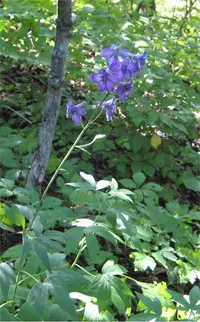
Tall larkspur (Delphinium exaltatum) is a perennial flowering plant in the buttercup family, valued for its upright spikes of blue to violet blooms. It typically forms clumps in meadows and open woodlands, where it attracts bees and butterflies.
This species is native to parts of eastern North America and is often found in calcareous or rocky soils. It can be somewhat demanding, as it dislikes drought, waterlogging, and extreme heat.
Gardeners who care for tall larkspur should provide consistent moisture, good air circulation, and fertile, well-drained soil in a sunny to lightly shaded spot. With suitable conditions, it offers a vertical accent and a long-lasting summer display.

Care Difficulty
Moderate Care

Light Preference
Full Sun

Water Requirements
Regular Water

Temperature Preference
Cold Hardy

Hardiness Zone
5–8

Soil Texture
Loamy, Silty, Organic-rich

Soil pH
Acidic (5.5–6.5), Slightly acidic (6.5–7.0)

Soil Drainage
Moist but well-drained

Fertilization
Minimal (feed rarely)
Scan your plant to receive care tips personalized for your specific plant
Available on iOS and Android
This sun-loving perennial performs best in open, bright garden sites.
This species prefers consistently moist but not waterlogged soil during the growing season.
This plant is a hardy, cool- to warm-temperate perennial suited to outdoor beds and borders.
Delphinium exaltatum prefers moderate outdoor humidity and usually does not need special humidity management.
This species needs deep, moist but sharply drained soil to support tall, upright stems and long-lived roots.
This species can be grown in containers outdoors, but needs thoughtful setup to support its tall, top-heavy growth.
Delphinium exaltatum benefits from modest, steady nutrition during the active growing season.
Pruning helps Delphinium exaltatum maintain strong stems and consistent flowering.
This species is usually grown in garden beds, so care focuses on careful transplanting rather than frequent repotting.
Delphinium exaltatum is most often propagated by seed, with division used more cautiously for established clumps.
This species is cold hardy through typical winters in much of the US and usually needs minimal special care.

Plant Health Check
Not sure what's wrong with your plant? Check your plant's health inside the app.
This species is naturally restricted to the central and southern Appalachians, occurring in scattered, often localized populations from Pennsylvania to Georgia, mainly on dry, open woodlands and rocky slopes.
Unlike many garden delphiniums that prefer consistently moist conditions, this species often grows in relatively dry, well-drained, upland sites, showing notable adaptation to seasonally dry forest edges and barrens.
Its summer-blooming blue to violet flowers provide nectar for a range of pollinators, especially bees and some butterflies, contributing to mid-season floral resources in Appalachian plant communities.
The flowers are rich in nectar and pollen, so they strongly attract bumblebees, other native bees, and various butterflies. Planting several together creates a vertical nectar resource that supports pollinators throughout the main summer bloom period.
Keep your plants happy and healthy with plant identification, disease detection, and easy care guidance.

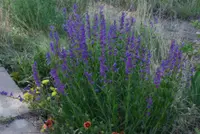
Rocky Mountain penstemon
Penstemon strictus
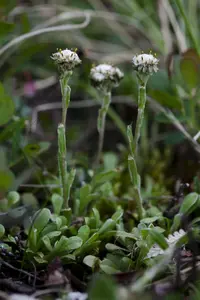
pygmy pussytoes
Antennaria monocephala
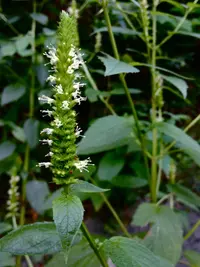
Yellow Giant Hyssop
Agastache nepetoides
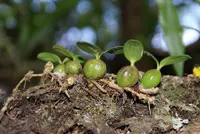
Bulbophyllum nutans
Bulbophyllum nutans
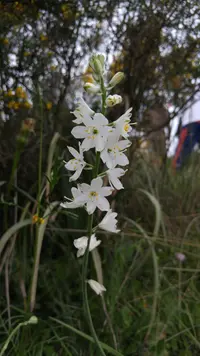
Anthericum baeticum
Anthericum baeticum
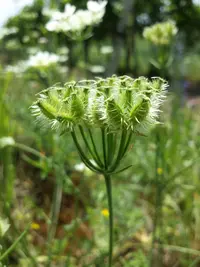
Large-flowered Orlaya
Orlaya grandiflora
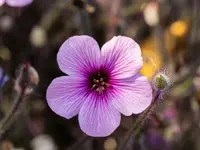
Madeira Cranesbill
Geranium maderense
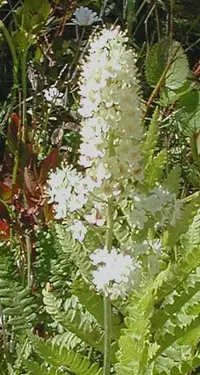
Osceola's plume
Stenanthium densum