Rocky edging strip
Plant directly into a narrow, gravelly strip at the edge of a bed or path so the foliage stays dry and clean, which reduces rot and keeps flower stems upright in wet weather.

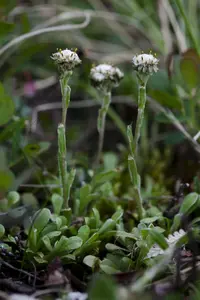
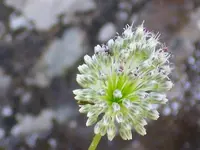
Pygmy pussytoes, Antennaria monocephala, is a tiny alpine perennial forming low, dense mats of silvery-green foliage. It stays very compact, creating a soft ground-hugging carpet. In spring to early summer, it produces small, fuzzy white flower heads that resemble tiny cat paws. The plant spreads slowly by short runners and works well in rock gardens and troughs. Antennaria monocephala is native to cold, open habitats in Arctic and subalpine regions of North America and Eurasia. It prefers sun, sharp drainage, and generally dry, lean soil, which makes it drought-tolerant but sensitive to waterlogging. For gardeners who want to learn how to care for pygmy pussytoes, its main needs are strong light, excellent drainage, and protection from heavy, prolonged moisture.

Care Difficulty
Easy Care

Light Preference
Full Sun

Water Requirements
Low Water

Temperature Preference
Cold Hardy

Hardiness Zone
2–7

Soil Texture
Sandy, Loamy, Rocky

Soil pH
Acidic (5.5–6.5), Slightly acidic (6.5–7.0)

Soil Drainage
Well-drained

Fertilization
Minimal (feed rarely)
Scan your plant to receive care tips personalized for your specific plant
Available on iOS and Android
Antennaria monocephala thrives in cool, bright conditions that mimic open alpine or tundra habitats.
This alpine species prefers dry to slightly moist soil and is highly sensitive to excess water.
This species is adapted to cold climates and tolerates a wide temperature range outdoors.
This alpine species prefers dry air and does not need boosted humidity indoors or outside.
This plant thrives in lean, sharply drained, sandy mineral soil that never stays waterlogged.
This species is well suited to container growing, especially in shallow, gritty setups.
Antennaria monocephala is a low-nutrient alpine species that needs minimal fertilization, especially in the ground.
Antennaria monocephala needs only light, maintenance pruning to keep the mat tidy and flowering well.
This species is usually grown in rock gardens or open ground, with only occasional need for repotting or transplanting.
Antennaria monocephala is commonly propagated by division and seeds to maintain or expand groundcover patches.
Antennaria monocephala is very cold hardy and generally needs little specific winter care in the ground.

Plant Health Check
Not sure what's wrong with your plant? Check your plant's health inside the app.
This species forms very low, tight leaf rosettes that hug the ground, an adaptation that reduces heat loss and wind damage in its subarctic and alpine habitats.
It is dioecious, meaning male and female flowers grow on different plants, so pollen must travel between individuals for seed production.
The small flower heads produce seeds with fluffy, hair-like structures called pappus, which act like tiny parachutes and allow wind to carry them across open tundra and alpine slopes.

In parts of its Arctic range, some populations consist almost entirely of female plants that can reproduce using apomixis, a form of seed production where viable seeds form without fertilization, allowing rapid colonization of harsh habitats.
This species spreads slowly by short stolons, forming tight, low mats rather than running aggressively. It stays where conditions suit it and rarely becomes a nuisance, making it suitable for rock gardens and small edging areas.
Keep your plants happy and healthy with plant identification, disease detection, and easy care guidance.