


Rhizome Division
Divide clumps every 3–4 years in early spring, replanting vigorous outer sections at the same depth to maintain strong flowering and prevent overcrowding.

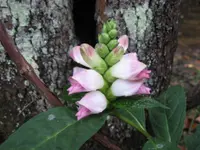
White turtlehead, Chelone glabra, is an upright perennial wildflower native to moist meadows, stream banks, and wetlands in eastern North America. It forms sturdy clumps of square stems with opposite lance-shaped leaves. At the tips, it carries dense spikes of white, turtle-shaped flowers that attract bees and butterflies. Plants hold their shape well and do not usually flop, which makes them look tidy in naturalistic beds and rain gardens. White turtlehead prefers consistently moist, rich soil and light that ranges from full sun in cool climates to partial shade in warmer areas. These traits make it relatively straightforward to care for white turtlehead in suitable, not too dry sites.

Care Difficulty
Moderate Care

Light Preference
Partial Sun

Water Requirements
Aquatic

Temperature Preference
Cold Hardy

Hardiness Zone
3–8

Soil Texture
Loamy, Silty, Organic-rich

Soil pH
Acidic (5.5–6.5), Slightly acidic (6.5–7.0)

Soil Drainage
Waterlogged tolerant

Fertilization
Minimal (feed rarely)
Scan your plant to receive care tips personalized for your specific plant
Available on iOS and Android
Chelone glabra thrives in bright, moist habitats with moderate sun exposure.
Chelone glabra prefers consistently moist to wet soil, similar to natural streamside conditions.
This hardy perennial tolerates a wide temperature range typical of temperate climates.
Chelone glabra prefers consistently moist air but adapts to typical outdoor humidity in most temperate regions.
Chelone glabra thrives in moist, fertile, finely textured soils that stay damp without becoming stagnant.
This species can be grown in containers if the pot is managed to stay consistently moist and stable.
Chelone glabra benefits from modest feeding in richer garden soils but does not require heavy fertilization.
Pruning Chelone glabra is mainly for tidiness and to maintain healthy, upright clumps.
Chelone glabra is usually grown in the ground, so focus on dividing and transplanting rather than frequent repotting.
Chelone glabra is commonly propagated by division, with seed and softwood cuttings as additional options for patient growers.
Chelone glabra is cold hardy across much of the US and usually needs minimal winter care in the ground.

Plant Health Check
Not sure what's wrong with your plant? Check your plant's health inside the app.
White turtlehead is the primary larval host for the Baltimore checkerspot butterfly, whose caterpillars feed almost exclusively on its foliage in many natural populations.
Its white, snapdragon-like flowers bloom from late summer into early fall, providing nectar and pollen for bumblebees and other native pollinators when many earlier wildflowers have faded.
This species commonly occurs in fens, wet meadows, and stream margins, and its presence is often used by botanists as an indicator of relatively undisturbed, high-quality wetland habitat.

The closed, turtle-shaped flowers have evolved to favor strong pollinators such as bumblebees, which must force their way into the corolla, reducing nectar theft by weaker insects and improving the chances of effective pollen transfer.
This species is highly attractive to native bumblebees and some butterflies, which crawl into the tubular flowers for nectar. Planting it in moist borders or rain gardens helps support local pollinator populations and overall garden biodiversity.
Keep your plants happy and healthy with plant identification, disease detection, and easy care guidance.

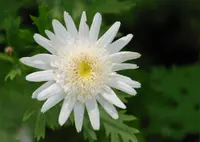
Marguerite daisy
Argyranthemum frutescens
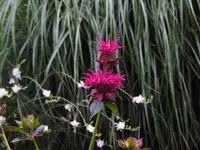
Bee Balm
Monarda didyma 'Raspberry Wine'
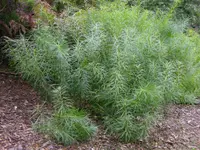
Hubricht's bluestar
Amsonia hubrichtii
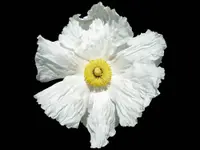
Coulter's Matilija poppy
Romneya coulteri
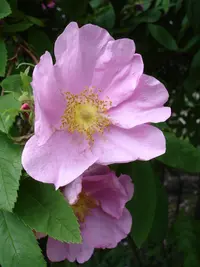
Amur rose
Rosa davurica
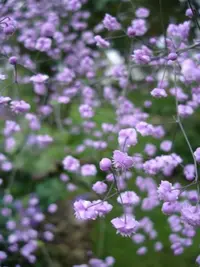
hinese meadow rue
Thalictrum delavayi
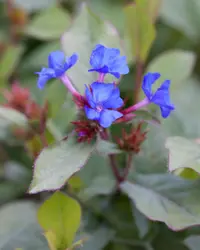
Hardy plumbago
Ceratostigma plumbaginoides
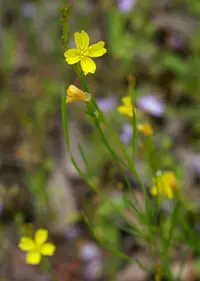
threadleaf evening primrose
Oenothera linifolia