okie bean Care (Dipogon lignosus)

Also known as: Mile-a-minute, dolichos pea
okie bean

About okie bean

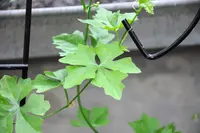
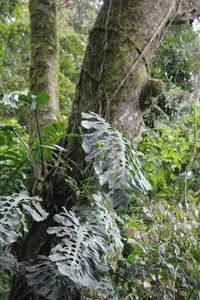
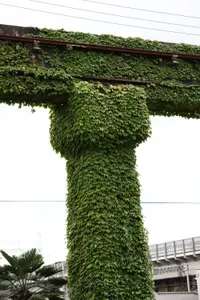
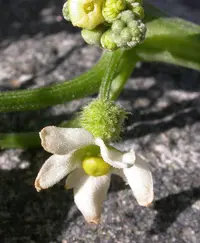
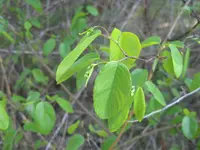
Okie bean, Dipogon lignosus, is a vigorous, twining perennial climber in the pea family. It is often grown as an ornamental for its showy clusters of pink to purple pea-like flowers. The plant produces trifoliate leaves and slender stems that scramble over supports, forming a dense screen when conditions suit it. It is native to South Africa but has naturalized in some mild climates, where it can spread quickly. This fast growth makes it useful for covering fences or banks, but also means it can become invasive in suitable regions. It generally prefers sun to light shade, well-drained soil, and moderate moisture, which influences how to care for okie bean.

Main Plant Requirements

Care Difficulty

Moderate Care

Light Preference

Full Sun

Water Requirements

Moderate Water

Temperature Preference

Warm Climate

Hardiness Zone

9–11

Soil Texture

Sandy, Loamy, Organic-rich

Soil pH

Acidic (5.5–6.5), Slightly acidic (6.5–7.0)

Soil Drainage

Well-drained

Fertilization

Minimal (feed rarely)

Get Personalized Care Plan

Scan your plant to receive care tips personalized for your specific plant

Available on iOS and Android

How to Care for the okie bean

Dipogon lignosus grows best with strong light but needs some protection from harsh extremes.

  • Provide 4–6 hours of direct morning sun with light afternoon shade; east or southeast exposure works well for okie bean.
  • Tolerates bright partial shade, but flowering drops if it receives less than 3–4 hours of direct sun daily.
  • In hot summers, protect from intense afternoon sun to prevent leaf scorch; in winter, ensure an open, unshaded position to maximize low-angle light.

Dipogon lignosus prefers evenly moist, well-drained soil and dislikes prolonged saturation.

  • Outdoors in the ground, water when the top 3–5 cm of soil feels dry, applying a deep soak rather than frequent light sprinkling.
  • During hot, dry weather, expect to water more often; in cool or rainy periods, reduce watering and let the surface dry more thoroughly.
  • Watch for yellowing, soft leaves as a sign of overwatering and crisp, curling foliage as a sign the plant is staying too dry.

This species grows best in mild, frost-free climates with moderate warmth.

  • Optimal growth occurs around 65–80°F (18–27°C), supporting steady vine extension and flowering.
  • Tolerates brief drops to about 28–30°F (-2 to -1°C), but repeated or hard frosts can damage foliage and young stems.
  • Handles summer heat up to about 90–95°F (32–35°C) if soil moisture is maintained, but prolonged extreme heat can slow growth and scorch leaves.

This species grows well in typical household humidity without special measures.

  • Target 40–60% relative humidity; short dry spells are usually tolerated if watering is consistent.
  • Dry indoor air can cause leaf tips to brown and flower buds to dry before opening.
  • Increase humidity slightly by grouping plants together or placing the pot on a pebble tray with water kept below the pot base.

This twining perennial prefers well-structured, free-draining soil that keeps roots moist but never waterlogged.

  • Use a sandy or loamy mix with plenty of coarse particles so water drains within a few minutes after watering.
  • Blend roughly 50–60% garden loam or potting mix with 20–30% compost and 20–30% sharp sand or fine grit for aeration.
  • Aim for slightly acidic to neutral pH around 6.0–7.0, which supports nutrient availability and healthy root growth in Dipogon lignosus.
  • Avoid heavy clay, compacted areas, or mixes dominated by fine peat that stay wet for long periods and limit oxygen around the roots.

This climber is well suited to container growing when the pot provides depth, stability, and reliable drainage.

  • Choose a tall, stable container that will not tip when the vine is trained up a trellis or support frame.
  • Select a slightly heavier material like ceramic or thick terracotta outdoors to anchor vigorous top growth in wind.
  • Leave several centimeters between the root ball and pot wall to prevent the mix from drying out much faster than the plant can use it.

Dipogon lignosus benefits from moderate feeding during active growth but does not need heavy fertilization.

  • Use a balanced liquid fertilizer (e.g., 10-10-10) at half strength every 4–6 weeks in spring and summer.
  • Alternative feeding with a light top-dressing of compost in spring suits caring for okie bean in poorer soils.
  • Avoid high-nitrogen products that encourage excess foliage over flowers.
  • Stop feeding in fall and winter, when growth slows or becomes dormant.

Dipogon lignosus responds well to thoughtful pruning that manages vigor and supports flowering.

  • Prune in late winter or early spring before strong new growth, using clean, sharp pruners or shears.
  • Remove dead, damaged, or crossing stems first to reduce disease risk and improve air flow.
  • Shorten overly long vines to control spread and maintain the desired shape on trellises or fences.
  • After flowering flushes, lightly trim back spent shoots to encourage branching and more blooms.

This vigorous climber is more often transplanted outdoors than kept long term in containers.

  • Transplant young plants in spring once frost risk has passed and soil is workable.
  • Look for roots circling the pot drainage holes, slow growth, or quick drying soil as signs it has outgrown its container.
  • Move up only 1 pot size, keeping the root ball intact and disturbing roots as little as possible to limit stress.
  • Water thoroughly after transplanting, then keep soil evenly moist and shaded for several days while the plant re-establishes.

Dipogon lignosus is commonly propagated by seed and can also be increased by semi-ripe stem cuttings.

  • Sow fresh seeds in late winter–spring in a free-draining seed mix; lightly scarify the seed coat to improve germination.
  • Maintain 65–75°F, bright light, and evenly moist (not wet) medium until seedlings emerge.
  • Take semi-ripe cuttings in late spring–summer, using 8–10 cm pieces with 2–3 nodes.
  • Insert cuttings into a well-drained mix, apply rooting hormone if available, and keep humidity high until rooted.

In mild climates this species usually survives winter with minimal intervention, but young or potted plants need more attention.

  • In regions with light frost, apply a 5–8 cm mulch layer around the root zone in late fall, keeping it off the stems.
  • In colder areas, treat it as a tender perennial or annual, or site against a sheltered south-facing wall.
  • Move container-grown plants indoors or into a frost-free greenhouse before temperatures drop below about 30°F.

Care Tips

Early support training

Install a sturdy trellis, fence, or wires before the plant starts its main spring flush, then loosely tie young shoots with soft ties so they learn the support structure instead of tangling into nearby shrubs or gutters.

Growth containment pruning

In late winter or after main flowering, cut back long wandering stems to 30–60 cm from their origin and remove any stems heading into roofs, gutters, or neighboring plants to keep this vigorous climber contained and easier to manage.

Root zone control

Use deep edging or a root barrier 20–30 cm into the soil around beds where you want to restrict spread, which helps prevent the vine from invading lawns or other planting areas over time.

Targeted pest scouting

Inspect the undersides of leaves and tender shoot tips every 1–2 weeks during warm weather for aphids and caterpillars, and wash off light infestations with a firm stream of water before resorting to insecticidal soap or horticultural oil.

Seed pod management

Deadhead spent flowers and remove developing pods if you do not want self-sown seedlings, or collect mature dry pods, store them in labeled paper envelopes, and use them for controlled propagation when growing okie bean in new locations.

Common Pests and Diseases

Bean aphids

This pest feeds on tender shoots and flower buds, causing leaf curling, distortion, and sticky honeydew that can lead to sooty mold on okie bean vines.

Solution

Rinse colonies off stems and undersides of leaves with a firm stream of water, then introduce or encourage natural predators such as lady beetles and hoverfly larvae; for persistent infestations, apply insecticidal soap or a light horticultural oil, ensuring thorough coverage and repeating at 5–7 day intervals as needed.

Red spider mites

These insects thrive in hot, dry conditions and cause fine stippling, a dull appearance of leaves, and fine webbing on the undersides of okie bean foliage.

Solution

Increase humidity around the plant and regularly hose down foliage, focusing on the leaf undersides; if populations remain high, use insecticidal soap or a miticide labeled for spider mites, applied in repeated treatments while also reducing plant stress through regular watering and avoiding excessive heat buildup.

Powdery mildew

This disease produces white, powdery patches on leaves and young stems, which can lead to leaf yellowing and reduced flowering on Dipogon lignosus plants in crowded or shaded conditions.

Solution

Improve air circulation by thinning overcrowded growth and avoiding overhead watering, then remove and discard heavily infected leaves; for ongoing issues, apply a sulfur-based or potassium bicarbonate fungicide according to label directions, starting early in the season when first spots appear.

Rust

This disease shows as small yellow spots on upper leaf surfaces with orange-brown pustules on the undersides, leading to premature leaf drop on stressed vines.

Solution

Prune to improve airflow, avoid wetting foliage, and promptly remove affected leaves to limit spore spread; in recurrent cases, use a copper-based or systemic fungicide labeled for rust on ornamental legumes, rotating products to reduce resistance and always following label instructions.

Pea weevils

These insects chew notches in leaves and may damage seeds and pods, reducing seed viability and weakening young Dipogon lignosus plants grown from saved seed.

Solution

Hand-pick adults when seen on foliage and remove and destroy affected pods after harvest; for seed protection, dry seed thoroughly, then store it in airtight containers or briefly freeze cleaned seed before storage to kill internal larvae, and rotate planting sites to reduce carryover populations.

Interesting Facts

Cape coastal specialist

This species is naturally distributed along the coastal and near-coastal regions of South Africa’s Western and Eastern Cape, where it grows in fynbos and forest margins with a mild, Mediterranean-type climate.

Twining stem strategy

It climbs by twining its stems around nearby supports rather than using tendrils or aerial roots, an efficient strategy that lets it rapidly cover shrubs, fences, and other structures in suitable climates.

Pea flower structure

Its purple-pink blossoms are typical papilionaceous legume flowers, with a standard, wings, and keel that guide visiting insects toward the reproductive parts and improve pollination efficiency.

Botan icon

Did you know?

This plant is a true legume that forms root nodules with nitrogen-fixing bacteria, allowing it to enrich poor soils with biologically available nitrogen and potentially alter nutrient cycles where it becomes naturalized outside its native range.

FAQs about okie bean

This species is a twining climber that wraps its flexible stems around nearby supports, forming long, scrambling vines. Without support it will sprawl over the ground or nearby plants, creating a dense, leafy mound.

Grow Healthy Plants with Botan Care

Keep your plants happy and healthy with plant identification, disease detection, and easy care guidance.

Botan plant care app — identify plants on mobile

Explore More Plants