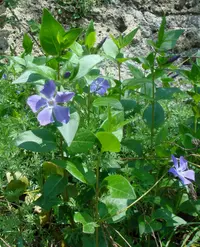
Chilicothe Care (Marah macrocarpa)

Also known as: wild cucumber, Cucamonga manroot, Southern California Manroot
Chilicothe

About Chilicothe

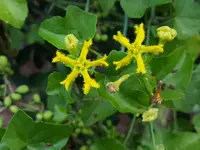
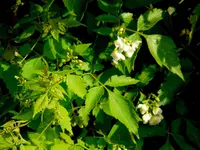
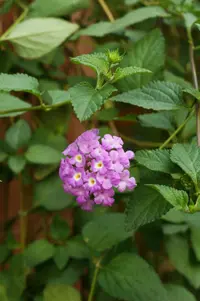
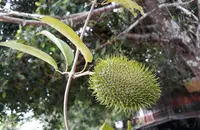
Chilicothe, or Marah macrocarpa, is a perennial climbing vine native to dry slopes and canyons of California and northern Baja California. It belongs to the cucumber family and grows from a large, tuberous root. The plant produces long, twining stems that scramble over shrubs and rocks, with deeply lobed, rough-textured leaves. Spiny, greenish fruits develop after small, pale flowers, giving the plant a distinctive wild look. It is drought-tolerant once established but needs well-drained soil and benefits from support to climb. In gardens, care for Chilicothe can be challenging due to its vigorous growth and large root system, which make it better suited to naturalistic or wild-style plantings than to small containers.

Main Plant Requirements

Care Difficulty

Moderate Care

Light Preference

Full Sun

Water Requirements

Low Water

Temperature Preference

Warm Climate

Hardiness Zone

8–10

Soil Texture

Sandy, Loamy, Rocky

Soil pH

Slightly acidic (6.5–7.0), Neutral (7.0)

Soil Drainage

Well-drained

Fertilization

Minimal (feed rarely)

Get Personalized Care Plan

Scan your plant to receive care tips personalized for your specific plant

Available on iOS and Android

How to Care for the Chilicothe

This vigorous vine prefers bright, open conditions similar to coastal scrub or chaparral edges.

  • Provide 6–8 hours of direct sun, ideally with morning sun and light afternoon shade in hotter inland sites to reduce leaf scorch.
  • Tolerates light partial shade (3–4 hours direct sun) but flowering and fruiting decrease as shade increases, especially under dense trees.
  • In summer, protect young Chilicothe from intense reflective heat near walls or rock, while in winter ensure it is not shaded all day by buildings or evergreen shrubs.

This drought-adapted perennial relies on a large tuber to store water and prefers dryish soil between soakings.

  • In the ground, water deeply, then allow the top 5–8 cm of soil to dry; in native or xeric beds, this may mean every 10–21 days once established.
  • Use fast-draining, gritty soil; standing water or heavy clay leads to yellowing foliage, soft tubers, and root rot in Marah macrocarpa.
  • During summer dormancy when vines die back, reduce or stop irrigation, resuming deeper but infrequent watering only as new shoots emerge in cooler seasons.

This species is adapted to Mediterranean-type climates with mild, wet winters and warm, dry summers.

  • Active growth is best at 60–80°F (16–27°C), with vines emerging in cool, moist seasons and slowing as dry heat increases.
  • Established plants tolerate brief drops to about 25°F (-4°C), but repeated hard frosts can damage young shoots and reduce flowering the next year.
  • Handles hot spells up to about 95–100°F (35–38°C) if roots are shaded and soil is not waterlogged; during peak heat, top growth may yellow and die back early while the tuber remains viable.

Humidity is not a major factor for Marah macrocarpa, which naturally thrives in dry, open habitats.

Marah macrocarpa prefers sharply draining, mineral soils that mimic its native dry slopes.

  • Use sandy or gritty loam with 30–50% coarse sand or small gravel to prevent water retention around the tuber.
  • Aim for slightly alkaline to neutral pH around 7.0–8.0, avoiding very acidic mixes that can stress roots.
  • Mix in a modest amount of compost or leaf mold, keeping organic matter under 30% so the soil does not stay wet.
  • Avoid compacted clay, peat-heavy, or waterlogged substrates, which promote rot in this drought-adapted vine.

This species can be grown in a container, but only in very large, deep pots that accommodate its substantial tuber and seasonal vine growth.

  • Choose a tall, heavy container that resists tipping once the vine climbs and produces sizeable seasonal top growth.
  • Ensure an extra-deep substrate layer, at least 40–50 cm, so the tuber can expand downward without crowding or deforming.
  • Use a coarse, fast-draining mix over a thick drainage layer, and raise the pot slightly off the ground to speed runoff.

This vigorous native vine usually needs little feeding, but light nutrition can support growth in poor soils when caring for Chilicothe.

  • Use a balanced, diluted liquid fertilizer (for example 10-10-10 at 1/4 strength) only during active spring–early summer growth.
  • Apply no more than once every 4–6 weeks if foliage appears pale or growth is weak.
  • Prefer compost or well-rotted organic mulch around the root zone instead of frequent synthetic feeding.
  • Stop fertilizing in late summer; do not feed during dormancy or winter, as the tuber is resting.

Pruning Marah macrocarpa is mainly done to control size and remove spent or damaged growth.

  • Cut back dead, damaged, or crossing vines in late winter to early spring before vigorous regrowth starts.
  • Shorten overly long shoots to keep the vine within its support and away from structures or other plants.
  • Use clean, sharp hand pruners and make angled cuts just above a node to reduce disease risk.
  • Light in-season thinning of crowded stems improves air flow but avoid heavy cutting during peak flowering.

This species forms a large, sensitive tuber, so transplanting should be infrequent and done with care rather than routine repotting.

  • Plan moves for late winter to very early spring, before new shoots emerge and while the tuber is mostly dormant.
  • Look for roots circling the pot, very slow growth, or the tuber pressing against container walls as signs a larger container or ground planting is needed.
  • Lift the plant gently, keeping the tuber and main roots intact; avoid breaking or cutting the tuber to reduce stress and rot risk.
  • Replant at the same depth in a deep, fast-draining soil mix, water thoroughly once, then keep just slightly moist until new growth establishes.

Marah macrocarpa is usually propagated from seeds, as its large tuber and vining habit make vegetative methods impractical.

  • Collect ripe seeds from fully mature fruits in late summer to fall, wearing gloves to avoid contact with irritating sap.
  • Sow seeds in deep pots with well-drained soil, 2–3 cm deep, and place in a cool, bright location to allow natural winter stratification.
  • Keep the medium barely moist, not wet; germination often occurs in spring when temperatures warm.
  • Provide strong light and good air flow for seedlings, then transplant only after a substantial tuber has formed.

This drought-adapted perennial vine is fairly cold hardy in its native range and usually needs minimal winter care once established in the ground.

  • Tolerates light frost, as the aboveground vine dies back while the underground tuber survives.
  • In colder or exposed sites, apply a 5–8 cm layer of dry mulch over the root zone after top growth dies back.
  • For container-grown plants in regions below its hardiness, move pots to a frost-free, bright, sheltered area for winter.

Care Tips

Install sturdy support

Provide a strong trellis, wire fence, or arbor at planting time, as this vigorous vine can quickly reach 6–9 m and needs firm anchoring to prevent stems from tearing in wind.

Control vine spread

Regularly guide and tie new tendrils along a defined structure and remove unwanted side shoots early, so the vine does not overwhelm nearby shrubs or trees and remains easy to maintain.

Protect large tuber

Mark the tuber location and avoid deep digging or heavy containers over that spot, since the swollen underground storage organ is brittle and easily damaged by shovels or compaction.

Seasonal seed handling

If collecting seeds, harvest the spiny fruits with thick gloves once they yellow and begin to split, then clean and sow the large seeds in deep pots to help grow Chilicothe with enough root depth from the start.

Wildlife and safety planning

Site the plant away from children’s play areas and narrow paths, as the sharp spines on mature fruits can cause injury and the dense foliage can obscure visibility along walkways.

Common Pests and Diseases

Cucumber beetles

These insects feed on young shoots, leaves, and tender vine tips, often causing ragged foliage and scarring on stems and fruit. This pest also vectors bacterial wilt in many cucurbits, though wild Marah macrocarpa usually shows more foliage damage than sudden collapse.

Solution

Hand-pick beetles in early morning, shake vines over a tray to dislodge them, and use fine mesh or floating row covers over young plants until vines harden off. Reduce nearby weedy host plants, and if pressure is high, use spot treatments with a neem-based spray in the evening when pollinators are less active.

Spider mites

These pests thrive on Marah macrocarpa in hot, dry conditions, leading to pale, stippled leaves and fine webbing on the undersides. Severe infestations can cause partial defoliation and early leaf drop on the vine.

Solution

Rinse vines thoroughly with a strong but gentle stream of water, focusing on leaf undersides, and repeat every few days until numbers drop. Increase ambient humidity slightly if grown in very dry sites, and use insecticidal soap or horticultural oil applied in the early morning to break the mite cycle while avoiding heat stress to the plant.

Powdery mildew

This disease shows as white, powdery patches on the upper leaf surfaces, which can spread along the vine late in the season. Symptoms include yellowing and premature leaf drop, especially on shaded or crowded growth.

Solution

Prune to improve air movement, remove and dispose of heavily infected leaves, and avoid overhead watering that keeps foliage damp for long periods. For repeated yearly issues, apply a preventative sulfur or potassium bicarbonate fungicide labeled for cucurbits at the first sign of spotting, and rotate spray locations to reduce resistance.

Cucumber leaf spot

This disease, caused by cucurbit-targeting fungi or bacteria, creates small, water-soaked or tan lesions on leaves that can merge into larger dead areas. Symptoms include tattered, thin foliage and reduced vigor on affected sections of the vine.

Solution

Remove and discard infected leaves and any fallen debris around the base of the plant to reduce inoculum. Water at soil level rather than from above, space plants so vines can dry quickly, and in areas with recurring problems, consider a copper-based spray used sparingly and according to label directions as part of broader Marah macrocarpa care.

Interesting Facts

Massive underground tuber

This species forms an enlarged, woody tuber that can become much larger than the visible vine, storing water and carbohydrates that help it survive the long, dry summers of coastal and inland southern California and Baja California.

Specialized bee pollinators

Its greenish-white flowers produce nectar and pollen that attract native solitary bees, which are considered the primary pollinators in its natural chaparral and coastal sage scrub habitats.

Spiny, inflated fruits

The plant develops inflated, pale green fruits covered in soft spines that dry and split open to reveal several large, hard seeds adapted to roll downslope or be moved by gravity and runoff water.

Botan icon

Did you know?

Early botanical observers noted that Indigenous peoples of southern California historically recognized the plant’s large underground tubers as a distinct, conspicuous feature in local flora, and these structures contributed to the common names manroot and bigroot because of their size and vaguely humanlike shape.

FAQs about Chilicothe

This species spreads vigorously by both fast-growing vines and large, long-lived tubers. In suitable conditions it can smother nearby vegetation. Contain the root zone, remove unwanted seedlings, and prune back runners to keep it within bounds when growing Chilicothe.

Grow Healthy Plants with Botan Care

Keep your plants happy and healthy with plant identification, disease detection, and easy care guidance.


Botan plant care app — identify plants on mobile

Explore More Plants