Drosera paleacea Care

Drosera paleacea

About Drosera paleacea

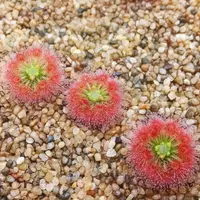
Drosera paleacea is a tiny rosette-forming carnivorous sundew from southwestern Australia. It grows close to the ground, with delicate spoon-shaped leaves covered in sticky glandular hairs that trap small insects. The plant often forms compact clumps and can produce short, wiry stems topped with small, pale flowers. In nature it usually grows in nutrient-poor, seasonally wet sandy or peaty soils. It prefers bright light, consistently moist conditions, and low-mineral, acidic substrates. Due to its small size and seasonal growth patterns, care for Drosera paleacea is moderately challenging for beginners but rewarding for growers who can provide stable, suitable conditions.


Main Plant Requirements

Care Difficulty

Hard Care

Light Preference

Full Sun

Water Requirements

Keep Soil Moist

Temperature Preference

Tropical / Frost Sensitive

Hardiness Zone

10–11

Soil Texture

Sandy, Peaty, Organic-rich

Soil pH

Strongly acidic (4.5–5.5)

Soil Drainage

Waterlogged tolerant

Fertilization

Minimal (feed rarely)

Get Personalized Care Plan

Scan your plant to receive care tips personalized for your specific plant

Available on iOS and Android

How to Care for the Drosera paleacea

This compact sundew needs bright, gentle light to form strong, dewy traps without scorching.

  • Provide 4–6 hours of direct morning sun with bright filtered light the rest of the day; avoid intense mid‑afternoon sun in hot climates.
  • Plant tolerates light partial shade, but growth becomes weaker and dew production drops if light is too low.
  • If leaves turn pale green and elongate, increase light; if tips crisp or redden unevenly, reduce direct midday exposure.

This species prefers constantly moist, low‑mineral conditions that mimic a bog environment.

  • Use the tray method: stand the pot in 0.5–1.5 cm of rainwater, distilled, or RO water, keeping the mix wet but not fully submerged.
  • Allow only the surface 1–2 mm to lighten in color before refilling the tray; never let the peat‑based medium dry out completely.
  • In cooler seasons reduce tray depth to prevent stagnation; signs of overwatering include sour smell and black roots, while limp, curling leaves suggest underwatering.

Stable, mild temperatures support compact growth and reliable carnivorous activity in this species.

  • Aim for 65–80°F (18–27°C) during active growth, which suits typical Drosera paleacea care indoors or in sheltered outdoor setups.
  • Short dips to 45–50°F (7–10°C) are usually tolerated if the soil stays moist, but repeated exposure near this range slows growth markedly.
  • Avoid frost below 32°F (0°C) and protect from extreme heat above 90°F (32°C) with shade and good air movement to prevent leaf scorch and stress.

This species prefers moderately humid air but adapts if extremes are avoided.

  • Aim for 40–60% humidity to keep dew production stable on the traps.
  • Tolerates brief dips to 30% if watering is consistent and the soil never dries out completely.
  • Low humidity stress appears as reduced or absent dew, slightly curled leaves, so raise humidity with a nearby tray of water or grouped plants rather than misting.

Drosera paleacea requires a nutrient-poor, airy, and consistently moist carnivorous plant substrate.

  • Use 1:1 sphagnum peat and coarse silica sand or perlite to create a loose, low-nutrient mix.
  • Ensure very fast drainage while keeping the mix evenly moist, never waterlogged or fully dry.
  • Target slightly acidic conditions around pH 4.5–6, which support proper nutrient uptake for this species.
  • Avoid compost, manure, standard potting mix, or fertilizers, which burn roots and disrupt its specialized nutrient balance.

This species is well suited to container growing when moisture control is prioritized.

  • Choose a relatively wide, shallow pot to match the compact root system and support rosette spread.
  • Select plastic or glazed ceramic pots to slow evaporation and maintain a more stable moisture level.
  • Use a deep saucer that can be filled temporarily for tray-watering, then emptied so the pot does not sit in stagnant water long term.

In cultivation, Drosera paleacea grows best in very lean, nutrient-poor media and is highly sensitive to conventional fertilizers.

Routine pruning is minimal for Drosera paleacea, which naturally maintains a compact rosette form.

  • Use fine scissors or tweezers to remove completely brown, dead leaves and spent flower stalks whenever they appear.
  • Cut at the base of the dead tissue without injuring nearby healthy leaves or sticky traps.
  • Removing old growth improves light penetration, air movement, and reduces fungal issues in dense pots.

Repotting is only occasionally needed, mainly to refresh the nutrient-free medium and prevent compaction.

  • Check for slow growth, media breakdown, or crowns rising above the mix as cues to repot every 2–3 years.
  • Choose late winter to early spring, before strong active growth, for lowest transplant stress.
  • Use a shallow pot with fresh 1:1 sphagnum peat and perlite or sand, rinsed thoroughly to remove minerals.
  • Handle crowns gently, keep roots shaded and moist, then water in with pure rain, distilled, or RO water.

Drosera paleacea is commonly propagated by leaf cuttings, division, and seed under controlled conditions.

  • In late winter or spring, divide clumps by gently teasing apart rosettes, keeping roots and some media attached.
  • Take healthy leaves, lay them on damp, nutrient-free peat and sand mix, and cover with clear humidity domes.
  • Sow fresh seed on the surface of the same low-mineral medium, keeping it bright, warm (65–75°F), and constantly moist.
  • Avoid covering seed with soil; provide strong, indirect light to support slow, steady seedling development.

This species dislikes hard frost and needs mild, protected winter conditions in most temperate climates.

  • Keep temperatures above ~40°F; prolonged freezing can damage crowns and roots.
  • Move container plants indoors or into an unheated but frost-free greenhouse with bright light.
  • Maintain evenly moist, not waterlogged, medium using low-mineral water during cooler months.
  • Avoid sudden temperature swings and cold drafts that can stress compact rosettes.

Care Tips

Seasonal dormancy shift

Provide a cooler, slightly drier rest period in winter by reducing tray water depth and allowing the top of the mix to just begin to lighten in color before refilling, which helps mimic the natural dormancy rhythm of caring for Drosera paleacea.

Controlled tray watering

Use a shallow tray (0.5–1 cm water depth) and let it drain fully for a short dry interval every few days to keep roots oxygenated and reduce the risk of anaerobic conditions in the compact peat-sand mix.

Mineral-free maintenance

Every 4–6 weeks, top-water generously with pure rain, RO, or distilled water to flush any built-up minerals from the potting mix and tray surfaces, which keeps this species sensitive roots from salt stress.

Rosette spacing management

When rosettes start to crowd and shade each other, gently divide and repot offsets into separate small pots so each plant receives good air movement and light penetration.

Targeted fungus gnat control

If fungus gnats become persistent, place a few small, clean yellow sticky traps near but not directly above the rosettes so the traps intercept adults while the plant continues to catch natural prey without adhesive contact.

Common Pests and Diseases

Aphids

This pest often colonizes young leaves and flower stalks, sucking sap and weakening the plant, especially in sheltered, humid setups. Symptoms include distorted new growth, sticky honeydew, and reduced dew production on the traps.

Solution

Rinse plants gently with a fine stream of distilled or rainwater to dislodge insects, then repeat every few days until clear; for heavier infestations in caring for Drosera paleacea, use a dilute insecticidal soap or neem oil applied carefully to avoid coating the sticky traps, and improve air movement to deter reinfestation.

Fungus gnats

These insects are attracted to wet carnivorous substrates and can breed in the pot, with larvae sometimes irritating roots and crowns. Symptoms include small black flies hovering above the pot and fine larvae in the top layer of the medium.

Solution

Allow the surface of the medium to become just slightly less wet between waterings, use yellow sticky traps to catch adults, and if larvae are abundant, treat the medium with a biological control such as Bacillus thuringiensis israelensis, following label directions for container use.

Botrytis (grey mold)

This disease thrives in cool, stagnant, very humid air and can develop on old leaves, spent flowers, or weakened tissue. Symptoms include grey, fuzzy mold on leaves or flower stalks, followed by soft, collapsing tissue.

Solution

Promptly remove and discard any affected tissue, increase airflow and light, and avoid overhead misting; in persistent cases, use a mild fungicide labeled safe for ornamental plants and reduce overcrowding by spacing pots further apart.

Powdery mildew

This disease sometimes appears in overcrowded indoor or greenhouse conditions, forming pale, powdery patches on leaves and stems. Symptoms include a white or grey film on the foliage and gradual decline in vigor if unchecked.

Solution

Improve ventilation and reduce excessive humidity spikes, remove heavily affected leaves, and apply a gentle fungicidal treatment such as a potassium bicarbonate or sulfur-based product, taking care to test on a small area first due to the plant’s sensitivity.

Spider mites

This pest can occur under warm, dry indoor conditions, feeding on foliage and reducing the plant’s ability to form healthy, sticky traps. Symptoms include fine stippling, dull or bronzed leaves, and very fine webbing between leaves or at the crown.

Solution

Increase humidity around the plant, rinse foliage under a gentle stream of distilled or rainwater to remove mites, and if needed use a targeted miticide or insecticidal soap, repeating treatments on a 5–7 day cycle to break the life cycle while monitoring for stress to the plant.

Interesting Facts

Miniature rosette habit

This species forms very small, tight rosettes often less than 1 cm across, an adaptation to the shallow, nutrient-poor quartz sand and lateritic soils of southwestern Australia where it grows.

Distichous leaf arrangement

Its spoon-shaped leaves are typically arranged in a single plane (distichous), which helps maximize light capture close to the ground while presenting mucilage glands efficiently to intercept tiny flying or crawling prey.

Tuberous survival strategy

Drosera paleacea survives the hot, dry Australian summer by retreating into underground tubers, remaining dormant below the surface until cool, wet winter conditions trigger new above-ground growth.

Botan icon

Did you know?

Drosera paleacea belongs to the petiolaris–tuberous complex within the genus and has been used by taxonomists as a reference species when comparing morphological traits of other miniature, rosette-forming tuberous sundews from southwestern Australia.

FAQs about Drosera paleacea

This species usually flowers after a cool, bright winter rest and strong overall health. Lack of blooms often relates to insufficient seasonal cues, low light intensity, or depleted energy reserves from previous seasons rather than a single acute problem.

Grow Healthy Plants with Botan Care

Keep your plants happy and healthy with plant identification, disease detection, and easy care guidance.

Botan plant care app — identify plants on mobile

Explore More Plants