Utah columbine Care (Aquilegia scopulorum)

Also known as: Rock Columbine
Utah columbine

About Utah columbine

Utah columbine (Aquilegia scopulorum) is a compact, perennial wildflower native to high mountains of the Intermountain West, often found on rocky slopes and moist cliffs. It typically forms small clumps with delicate, divided leaves and upright stems.

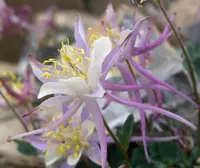
The nodding, spurred flowers are usually pale blue to violet with white centers, giving a refined look despite the plant’s tough habitat. It has a relatively short blooming season but returns reliably when conditions suit it.

This species prefers cool summers, well-drained but moisture-retentive soil, and light shade to partial sun. Gardeners who learn how to care for Utah columbine usually find it moderate in difficulty, mainly due to its need for consistent moisture and good drainage.

Main Plant Requirements

Care Difficulty

Moderate Care

Light Preference

Partial Shade

Water Requirements

Moderate Water

Temperature Preference

Cold Hardy

Hardiness Zone

4–8

Soil Texture

Sandy, Loamy, Rocky

Soil pH

Acidic (5.5–6.5), Slightly acidic (6.5–7.0)

Soil Drainage

Well-drained

Fertilization

Minimal (feed rarely)

Get Personalized Care Plan

Scan your plant to receive care tips personalized for your specific plant

Available on iOS and Android

How to Care for the Utah columbine

This high-elevation perennial prefers bright conditions with protection from intense midday sun.

  • Provide 4–6 hours of direct morning sun with light afternoon shade; east or northeast exposure suits Utah columbine in most gardens.
  • In hotter, lowland sites, use dappled or filtered light under open trees to prevent leaf scorch and premature flowering decline.
  • In cooler mountain or northern climates, it tolerates near full sun, but monitor for wilting or crisp leaf edges as signs of excess exposure.

This species prefers evenly moist but never waterlogged soil, especially during active growth and flowering.

  • Water when the top 3–5 cm of soil feels dry, applying a slow, deep soak so moisture reaches the root zone rather than just the surface.
  • Ensure sharply draining soil or a rocky slope; standing water, a sour smell, or yellowing, limp foliage suggests overwatering in Aquilegia scopulorum.
  • In spring and early summer, expect to water more during dry spells; reduce frequency after flowering and in cool fall weather as growth slows.

This mountain columbine is adapted to cool summers and cold winters, with good frost tolerance once established.

  • Optimal growing temperatures are 50–70°F (10–21°C); plants remain comfortable in brief mild heat but may slow above 80°F (27°C).
  • Dormant crowns tolerate winter cold down to about -20°F (-29°C) with snow cover or mulch, especially in well-drained, non-soggy soil.
  • In hotter regions, combine afternoon shade with mulch to keep roots cooler and reduce stress during periods above 85°F (29°C).

This species handles typical outdoor humidity in dry western climates with little intervention.

  • Target 30–50% humidity, which matches the natural mountain habitats of Utah columbine.
  • Plants tolerate dry air well if soil moisture is consistent and roots do not dry out completely.
  • Humidity stress shows as crisp leaf edges and stalled growth; group plants or use a nearby water tray only during prolonged hot, very dry spells.

This species prefers cool, loose, fast-draining soil that still holds moderate moisture.

  • Use a sandy loam with plenty of organic matter, such as 50–60% garden loam, 30–40% compost, and 10–20% coarse sand.
  • Aim for slightly acidic to neutral pH, around 6.0–7.0, which supports nutrient availability for Aquilegia scopulorum.
  • Improve drainage and aeration by mixing in coarse sand or fine gravel, especially in heavy or compacted native soils.
  • Avoid dense clay, waterlogged spots, or pure sand that dries out within hours, as roots are shallow and sensitive to extremes.

This species can be grown in containers, but pots must mimic its cool, well-aerated root conditions.

  • Choose a container at least 25–30 cm deep so the taproot can develop without bending or circling early.
  • Use a heavy, stable pot if placed in windy areas, since tall flowering stems can catch the wind and tip light containers.
  • Select unglazed terracotta or other breathable materials to help excess moisture evaporate and prevent root problems.

Aquilegia scopulorum is a light feeder that usually performs well in average, moderately fertile soil.

  • Apply a thin layer of garden compost or well-rotted manure around the clump in early spring to boost soil organic matter.
  • Use a balanced, slow-release fertilizer (for example 10-10-10) at half strength once in spring if growth appears weak.
  • Avoid high-nitrogen products, which push soft foliage at the expense of flowers and may shorten plant lifespan.
  • Do not feed during winter dormancy; stop fertilizing by late summer so plants harden off before cold weather.

Pruning Aquilegia scopulorum is mainly about tidiness and encouraging repeat or stronger flowering.

  • In late spring to early summer, deadhead spent flower stems at the base to reduce self-seeding and direct energy back to the crown.
  • Remove yellowing, dead, or damaged leaves whenever noticed to limit disease spread and keep a compact clump.
  • After flowering finishes, lightly shear back tall, floppy growth using clean hand pruners to encourage fresh foliage.
  • Disinfect blades with alcohol when cutting diseased tissue to avoid transferring fungal spores between plants.

This columbine is usually grown in the ground; transplant young plants carefully, as mature clumps dislike disturbance.

  • Transplant in early spring or early fall when temperatures are mild and soil is moist but not waterlogged.
  • Look for signs like slow growth, wilting in normal moisture, or roots circling a container if grown in pots.
  • Move plants no more than every 3–4 years; older clumps often decline if lifted and divided repeatedly.
  • Dig a wide hole, keep as much root ball intact as possible, replant at the same depth, and water gently to settle soil and reduce root stress.

Aquilegia scopulorum is most often propagated from seed, with some limited division on younger plants.

  • Sow fresh seed in late summer to fall in pots or trays kept outdoors; natural cold stratification over winter improves germination.
  • Use a gritty, well-drained seed mix, barely cover the seed, and maintain even moisture without waterlogging.
  • Transplant seedlings to individual cells once they have 2–3 true leaves, handling the fine roots carefully.
  • Divide only young, vigorous clumps in early spring, lifting with a generous root ball and replanting divisions promptly.

This mountain columbine is generally cold hardy and needs minimal winter care in most temperate climates.

  • After hard frost, cut back dead flower stems and tattered foliage, leaving the crown at soil level.
  • Apply a light mulch layer (2–5 cm) of leaf mold or compost around, not over, the crown to buffer freeze–thaw cycles.
  • In very cold or exposed sites, especially for container plants, group pots against a wall and mulch containers to insulate roots while caring for Utah columbine.

Care Tips

Rocky crevice planting

Tuck plants into rock crevices or between larger stones with sharp-drained soil to mimic their native habitat, which stabilizes roots and reduces crown rot in wet spells.

Self-seeding management

Allow a few flower heads to mature and drop seed where you want colonies, but deadhead the rest to prevent unwanted spread and to keep energy focused on plant vigor.

Alpine winter protection

In cold, wet climates, use a loose gravel mulch around the crown before winter to keep it drier and better aerated, reducing the risk of freeze–thaw damage and rot.

Targeted slug control

In early spring, place low, rough gravel or crushed stone bands around clumps and use hand-picking or iron phosphate bait if needed, since young foliage is especially vulnerable to slug feeding.

Seed longevity handling

Sow fresh seed as soon as it ripens or store it dry and cool for only 1–2 years, since viability drops quickly and prompt sowing greatly improves success when growing Utah columbine from seed.

Common Pests and Diseases

Leaf miners

This pest lives inside the leaves and creates pale, winding tunnels that distort the foliage and reduce vigor, especially on young columbine leaves.

Solution

Remove and dispose of mined leaves as soon as damage is seen, then use a spinosad-based spray or neem oil on new growth, focusing on the undersides of leaves; avoid overhead watering and encourage beneficial insects such as parasitic wasps by keeping chemical use targeted and minimal.

Powdery mildew

This disease causes a white or gray powdery coating on leaves, which may curl, yellow, and decline, especially in crowded or shaded plantings.

Solution

Improve air circulation by thinning nearby plants, avoid overhead watering, remove heavily infected leaves, and apply a sulfur or potassium bicarbonate fungicide labeled for ornamentals at the first sign of symptoms, repeating as directed during humid periods.

Rust

This disease produces orange to brown pustules on the undersides of leaves, often with yellow spots visible on the upper surface, leading to premature leaf drop in stressed plants.

Solution

Promptly remove and destroy affected leaves, avoid wetting foliage, space plants to increase airflow, and if rust recurs, use a labeled ornamental fungicide in early spring as new foliage emerges, rotating products to reduce resistance risk.

Aphids

These insects cluster on tender stems and flower stalks, sucking sap and causing distorted growth, sticky honeydew, and sometimes sooty mold on leaves and buds.

Solution

Spray plants with a strong stream of water to dislodge colonies, then treat remaining insects with insecticidal soap or neem oil, repeating every 5–7 days as needed and monitoring new growth closely during cool, moist spring weather when populations build quickly.

Crown borers

This pest tunnels into the crown and lower stems, causing wilting, stunted growth, and eventual plant collapse, often with frass or rot at the base of the plant.

Solution

Inspect crowns in late spring and remove and destroy any plants showing clear borer damage, avoid wounding the crown during maintenance, maintain healthy, unstressed plants through correct siting and watering, and consider rotating columbines with non-host perennials if the problem persists in the same bed.

Interesting Facts

High-elevation specialist

This columbine is naturally restricted to cold, rocky alpine and subalpine habitats of the central Rocky Mountains, often growing above treeline on ledges and crevices exposed to intense sun, wind, and freezing temperatures.

Distinctive short spurs

Compared with many columbines that have long nectar spurs, its flowers have relatively short, chunky spurs that suit small alpine bees and flies rather than long-tongued pollinators.

Localized distribution

The species has a patchy, localized range mainly in Utah, Nevada, and adjacent states, where it often occurs as small, scattered populations confined to suitable cliff and talus habitats.

Botan icon

Did you know?

Genetic and morphological studies indicate that this species belongs to a group of western North American columbines that rapidly diversified along elevation and habitat gradients, making it a useful model for understanding how mountain plants adapt to harsh alpine conditions.

FAQs about Utah columbine

This high-elevation species is very attractive to native bees and especially hummingbirds, which can access its long nectar spurs. Planting several clumps together increases floral display and provides a more reliable food source for visiting pollinators.

Grow Healthy Plants with Botan Care

Keep your plants happy and healthy with plant identification, disease detection, and easy care guidance.

Botan plant care app — identify plants on mobile

Explore More Plants