Jill of the rocks Care (Heuchera maxima)

Also known as: island alumroot
Jill of the rocks

About Jill of the rocks

Jill of the rocks, Heuchera maxima, is a clump-forming perennial from the coastal cliffs and islands of California. It is part of the saxifrage family and is adapted to cool, maritime conditions.

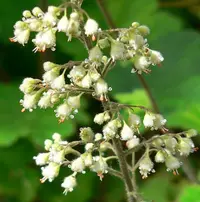
The plant forms low mounds of rounded, often slightly lobed leaves, with tall, airy stems carrying small, bell-shaped flowers above the foliage. Its evergreen habit in mild climates and tolerance of shade make it useful for understory planting and naturalistic gardens.

Heuchera maxima is generally considered undemanding when given partial shade, light to moderate moisture, and well-drained soil. These traits make it relatively straightforward to how to care for Jill of the rocks in typical home gardens.

Main Plant Requirements

Care Difficulty

Easy Care

Light Preference

Partial Shade

Water Requirements

Moderate Water

Temperature Preference

Cold Hardy

Hardiness Zone

7–10

Soil Texture

Sandy, Loamy, Organic-rich

Soil pH

Acidic (5.5–6.5), Slightly acidic (6.5–7.0)

Soil Drainage

Moist but well-drained

Fertilization

Minimal (feed rarely)

Get Personalized Care Plan

Scan your plant to receive care tips personalized for your specific plant

Available on iOS and Android

How to Care for the Jill of the rocks

Heuchera maxima prefers bright conditions with protection from harsh midday sun in most climates.

  • Provide 3–5 hours of morning sun with light or dappled shade from late morning through afternoon, especially in hotter regions.
  • In coastal or cool-summer areas, it tolerates more direct sun, but foliage of Jill of the rocks may scorch in intense afternoon exposure, especially during heatwaves.
  • In deep or dense shade, plants grow thin and flower less; gradually move them toward brighter, filtered light if leaves pale and stems stretch.

Heuchera maxima prefers evenly moist but never soggy soil once established.

  • Water when the top 3–5 cm of soil feels dry, aiming for deep soaking rather than frequent light splashes to encourage a resilient root system.
  • During hot, dry periods, check soil every 2–3 days; in cool or rainy seasons, extend intervals and rely more on actual soil feel than a fixed schedule.
  • Ensure sharp drainage; signs of overwatering include yellowing, mushy crowns, and root rot smell, while underwatering shows crisp, wilting leaves that recover slowly after irrigation.

This coastal species handles mild conditions best but tolerates a reasonable range of garden temperatures.

  • Optimal growth occurs around 55–75°F (13–24°C), with steady foliage and flowering when extremes are limited.
  • Mature plants typically survive down to about 20°F (-7°C) if soil drains well, but extended hard freezes may damage crowns and young growth.
  • In summer, plants cope with brief heat up to 90°F (32°C) if shaded during peak sun and kept evenly moist, as prolonged heat and drought can cause leaf scorch and decline.

This species tolerates a broad humidity range and rarely needs special humidity control outdoors.

  • Target 40–60% humidity for best foliage, which is typical of most shaded garden sites.
  • Dry air is usually tolerated, but prolonged hot, windy conditions may crisp leaf edges and increase watering needs.
  • If leaves curl or brown between veins, provide light wind protection, mulch the root zone, and avoid heat-reflective hardscape that dries the air further.

Heuchera maxima prefers loose, fast-draining, organic-rich soil that stays evenly moist without waterlogging.

  • Use a mix of 40% loam, 40% compost, and 20% coarse sand or fine gravel to mimic its native rocky woodland soils.
  • Aim for slightly acidic to neutral pH, roughly 6.0–7.0, to support nutrient availability and healthy root growth.
  • Improve drainage and aeration in heavier ground by working in coarse sand, fine gravel, or small bark chips before planting.
  • Avoid compacted clay, standing water, and dense peat-only mixes, which promote root and crown rot.

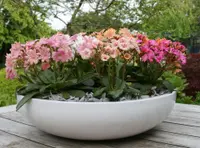
This species is suitable for container growing, especially in shaded patios or balconies.

  • Choose a wide, shallow container to match its fibrous, surface-leaning roots and keep the crown near the rim for airflow.
  • Use a heavier pot material or add gravel at the base layer to prevent wind tipping of mature, leafy clumps.
  • Elevate the pot on feet or bricks so drainage holes stay clear and runoff moves away quickly after rain or irrigation, which supports growing Jill of the rocks.

Heuchera maxima benefits from light, balanced feeding but grows acceptably in lean soils.

  • Use a balanced, slow-release fertilizer (around 10-10-10) or a thin layer of compost in early spring when growth resumes.
  • Feed once more in midsummer if foliage looks pale or growth is weak, especially in containers.
  • Apply fertilizers at half the label strength to avoid root burn and excessive, soft growth.
  • Reduce or stop feeding in fall and winter, as caring for Jill of the rocks during dormancy focuses on stable moisture, not nutrients.

Heuchera maxima responds well to modest pruning that keeps the clump tidy and flowering well.

  • Best timing is late winter to early spring, removing dead or damaged leaves before new growth emerges.
  • Trim spent flower stalks at the base after blooming to maintain a neat appearance and encourage repeat flowering.
  • Thin crowded or smothered leaves with clean hand pruners to improve airflow and reduce fungal problems.
  • Cut back any elongated, woody crowns slightly and top-dress with compost to refresh shape and vigor.

This species is more often transplanted in the garden than repotted, as it forms broad, shallow clumps.

  • Look for signs such as crowded crowns, slow growth, or roots circling a nursery pot to decide on transplanting.
  • Move or divide clumps in early spring or early fall, when temperatures are mild and soil stays evenly moist.
  • Typical intervals are every 3–5 years, lifting and replanting outer, younger sections into refreshed soil.
  • Reduce root stress by watering well before and after transplanting, keeping as much root ball intact as possible, and shading for several days.

Heuchera maxima is commonly propagated by division, with seeds and basal cuttings as secondary options.

  • Divide mature clumps in early spring or early fall, replanting vigorous outer segments at the original soil depth.
  • For basal cuttings, select firm, leafy shoots with a small crown piece and root them in a moist, well-drained mix.
  • Sow fresh seed on the surface of a fine seed mix, as light aids germination, and keep at 60–70°F with even moisture.
  • Space new plants to allow airflow and consistent moisture, which supports quick establishment and reduces disease risk.

Heuchera maxima is generally cold hardy in mild to moderate climates and needs only modest winter care.

  • Plants tolerate light frosts but may suffer in prolonged freezes below their hardiness zone.
  • Apply a 5–8 cm layer of mulch around the crown in late fall to insulate roots while keeping the crown itself uncovered.
  • For container plants in colder regions, move pots to a sheltered, frost-free but cool spot such as an unheated garage.

Care Tips

Mulch for Crowns

Apply a 3–5 cm layer of fine bark mulch around but not on top of the crowns to keep roots cool, reduce weed pressure, and prevent soil from splashing onto the foliage and spreading fungal spores.

Divide Aging Clumps

Every 3–4 years, lift and divide congested clumps in late fall or very early spring to refresh vigor, replant the healthiest outer sections, and reset any woody or raised crowns slightly deeper in the soil surface.

Shade‑side Placement

On hot, reflective sites, plant on the east or north side of paths, walls, or boulders so the foliage gets bright light without intense afternoon sun, which helps maintain thicker leaves and better color.

Slug and Snail Barriers

In damp, coastal or shaded gardens, place rough mineral grit or copper tape around the planting zone and remove nearby hiding places like dense debris to reduce slug and snail damage to young leaves.

Dry‑season Protection

During unusually long summer dry spells, provide a temporary shade cloth or plant near deep‑rooted shrubs to buffer heat and wind, which supports more resilient growth when growing Jill of the rocks in exposed coastal gardens.

Common Pests and Diseases

Vine weevils

This pest chews semicircular notches in the leaf edges, while the larvae feed on the roots and crowns, causing sudden wilting or collapse.

Solution

Inspect foliage at night and hand-pick adults, then target larvae by drenching the soil with a biological control containing nematodes labeled for vine weevils. Replace heavily damaged plants, refresh potting mix or soil in containers, and avoid overwatering to discourage larval survival.

Rust

This disease causes small, raised, orange to brown pustules on the undersides of leaves, often with yellowing spots above.

Solution

Remove and discard affected leaves to reduce spore spread, then improve air circulation by spacing plants and thinning dense clumps. Keep foliage dry by watering at soil level and, if the problem is persistent, apply a labeled fungicide according to directions during humid periods.

Leaf spot

This disease produces tan to dark brown spots on leaves that may coalesce, leading to tattered or prematurely dropping foliage.

Solution

Prune and dispose of spotted leaves, including fallen debris, to remove sources of infection. Water early in the day at the base of the plant, increase airflow, and, in severe cases, use a labeled ornamental fungicide as part of broader Heuchera maxima care to keep new growth healthy.

Powdery mildew

This disease appears as white to gray powdery patches on the upper leaf surface, which can cause distortion and reduced vigor in shaded, humid conditions.

Solution

Remove the worst affected leaves and thin crowded plants to increase airflow and light. Avoid overhead watering, and if needed, apply a sulfur or potassium bicarbonate-based product labeled for powdery mildew, following instructions carefully.

Aphids

These insects cluster on tender stems and flower stalks, sucking sap and causing curling or distortion, often leaving behind sticky honeydew that can attract sooty mold.

Solution

Spray infested shoots with a strong stream of water to dislodge aphids, then follow with applications of insecticidal soap or horticultural oil, ensuring thorough coverage of stems and leaf undersides. Encourage beneficial insects such as lady beetles by avoiding broad-spectrum insecticides in the planting area.

Interesting Facts

Channel Islands specialist

This species is native almost exclusively to California’s Channel Islands, where it grows on steep, ocean-facing cliffs and rocky slopes exposed to salt-laden winds.

Summer dormant strategy

In its native habitat, the plant often slows growth and can partially die back in summer drought, a seasonal dormancy strategy that helps it survive the Mediterranean-type climate.

Pollinator support role

Its tall wands of small, bell-shaped flowers provide nectar and pollen for native bees and other insects early in the dry season when floral resources on the islands start to decline.

Botan icon

Did you know?

Heuchera maxima is one of the parent species used in breeding many modern coral bell hybrids, contributing strong shade tolerance and large, robust foliage to numerous ornamental cultivars grown far beyond its small native range.

FAQs about Jill of the rocks

This species forms slowly expanding clumps and short rhizomes, creating a low mound rather than running widely. It can gently widen over time but is not considered aggressive or difficult to keep within bounds.

Grow Healthy Plants with Botan Care

Keep your plants happy and healthy with plant identification, disease detection, and easy care guidance.

Botan plant care app — identify plants on mobile

Explore More Plants