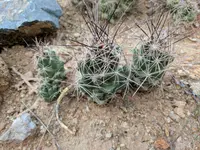
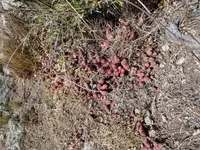
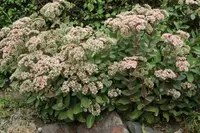
San Gabriel Mountains liveforever Care (Dudleya densiflora)

Also known as: San Gabriel Mountains dudleya
San Gabriel Mountains liveforever

About San Gabriel Mountains liveforever

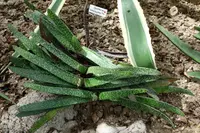
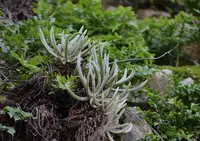
San Gabriel Mountains liveforever, Dudleya densiflora, is a rare, rosette-forming succulent native to rocky cliffs of the San Gabriel Mountains in southern California. It forms tight clusters of slender, pointed leaves that can appear glaucous or slightly dusty, and produces tall flower stalks with small, star-shaped blossoms.

This species grows slowly and can be challenging outside very well-drained, rock-like substrates that mimic its natural crevices. It dislikes excess summer water and prolonged humidity, which makes how to care for San Gabriel Mountains liveforever different from many common house succulents.

Dudleya densiflora generally prefers bright, indirect light or gentle morning sun, cool to mild temperatures, and sparse watering in fast-draining, mineral-rich soil mixes.

Main Plant Requirements

Care Difficulty

Hard Care

Light Preference

Full Sun

Water Requirements

Low Water

Temperature Preference

Warm Climate

Hardiness Zone

9–11

Soil Texture

Sandy, Rocky

Soil pH

Slightly acidic (6.5–7.0), Neutral (7.0)

Soil Drainage

Well-drained

Fertilization

Minimal (feed rarely)

Get Personalized Care Plan

Scan your plant to receive care tips personalized for your specific plant

Available on iOS and Android

How to Care for the San Gabriel Mountains liveforever

This species thrives in strong light that mimics its exposed rocky habitat.

  • Provide 6–8 hours of direct sun daily, ideally with morning sun and light afternoon shade to reduce summer stress.
  • Tolerates bright partial shade for part of the day, but deep shade leads to stretched, weak rosettes and dull leaf color in San Gabriel Mountains liveforever.
  • In very hot inland sites, give protection from harsh sun between 1–4 p.m. to prevent leaf scorch and excessive substrate drying.

Watering should imitate a dry-summer, winter-rainfall climate.

  • Allow the top 3–5 cm of soil or rock crevices to dry completely before watering, then soak thoroughly so excess drains away fast.
  • During cool, active growth (roughly fall to spring), water only when leaves start to look slightly less firm; reduce or stop in the hottest, dormant part of summer.
  • Dudleya densiflora is highly prone to rot if soil stays wet; pale, swollen leaves suggest overwatering, while wrinkling and leaf curl indicate underwatering.

Temperature conditions should resemble a mild, dry, coastal or foothill climate.

  • Best growth occurs around 60–75°F (16–24°C), with good airflow and low humidity to limit fungal problems.
  • Mature plants usually tolerate brief drops to about 25°F (−4°C) if kept dry, but repeated hard frosts or wet cold can damage crowns and roots.
  • Handles dry heat up to about 95–100°F (35–38°C) when acclimated, but needs some shade and excellent drainage to avoid stress and sunburn.

This species prefers very dry air and does not need added humidity.

  • Aim for 20–40% humidity, similar to arid indoor or outdoor conditions.
  • Excess humidity shows as soft, translucent leaves and increased rot at the rosette base.
  • Improve airflow instead of adding moisture; use a fan or open window and keep foliage completely dry.

Use a very fast-draining, mineral-heavy mix that mimics steep rocky slopes.

  • Choose a gritty base such as 60–80% pumice, coarse sand, or small gravel with 20–40% low-organic cactus mix.
  • Ensure water drains through in seconds and the mix dries fully within 1–2 days after watering.
  • Keep pH slightly acidic to neutral (pH 6.0–7.0) and avoid peat-heavy blends that stay wet and suffocate roots.
  • For Dudleya densiflora outdoors, plant on a slope or raised mound to boost drainage and reduce crown rot risk.

This species can be grown in containers if drainage and airflow are maximized.

  • Select a wide, shallow terracotta pot to keep the root zone airy and prevent moisture buildup around the crown.
  • Raise the pot on feet or mesh blocks so drainage holes never sit in a saucer of water.
  • Top-dress with 1–2 cm of coarse gravel to keep the rosette base dry and stabilize the plant on exposed sites.

Dudleya densiflora is adapted to nutrient-poor rock outcrops and usually performs best with no routine fertilization.

Dudleya densiflora needs only light, hygiene-focused pruning to maintain a tidy rosette and reduce disease risk.

  • In late winter or early spring, remove dried flower stalks and dead outer leaves by hand or with small, clean scissors.
  • Trim only completely dry, brown tissue to avoid wounding healthy leaves, which can scar and invite rot.
  • Minimal thinning of crowded, dead material around the crown improves airflow without altering the plant’s natural form.

Container or garden-grown plants resent disturbance, so repot or transplant Dudleya densiflora only when clearly necessary.

  • Look for roots circling the pot drainage holes, declining vigor, or a loose, unstable root ball in shallow, rocky mix.
  • Schedule any move for late winter to early spring, just before active growth resumes and after major cold risk has passed.
  • Handle the rosette and roots gently, keeping the root ball as intact as possible to limit transplant shock.
  • Replant into a shallow, very fast-draining mineral mix and keep soil lightly dry for several days so damaged roots can heal.

Propagation of Dudleya densiflora is specialized and generally left to experienced growers or conservation programs.

This coastal southern California succulent is only moderately cold tolerant, so some winter care is needed in colder regions.

  • Tolerates brief light frosts near 28–32°F if soil is very sharp-draining and foliage is dry.
  • In-ground plants benefit from a gritty, raised planting area that sheds winter rain away from the crown.
  • Move containers under a bright, sheltered porch or cold greenhouse where temperatures stay mostly above freezing.

Care Tips

Roof-style shelter

In rainy climates, mount plants in shallow, fast-draining rock troughs or crevices with a fixed overhead cover (such as a clear polycarbonate panel) to keep winter and summer rain off the rosettes and crown.

Cool-root placement

When growing in containers, use a tall, narrow pot and nest it inside a slightly larger outer pot or stone sleeve to shade the root zone and reduce heat stress on hot days.

Summer dormancy protection

During peak summer heat, reduce disturbance and avoid transplanting; instead, provide extra airflow and light shade for a few weeks to help the rosettes pass through semi-dormancy with minimal stress.

Rock crevice anchoring

When planting into rock gardens, wedge the base of the plant between two rocks and backfill with gritty mix so the rosette sits slightly overhanging the edge, which mimics natural cliff habitats and helps prevent crown rot.

Minimal handling routine

Plan maintenance tasks so that old leaf removal, inspection, and any repotting are done in one short session per year, as repeated handling can damage the waxy leaf coating that protects the plant from sun and moisture stress during caring for San Gabriel Mountains liveforever.

Common Pests and Diseases

Mealybugs

This pest feeds on succulent leaves and crowns, sucking sap and weakening the rosette, especially in dry, sheltered rock crevices. Symptoms include white cottony clusters in leaf bases and distorted new growth.

Solution

Remove visible insects with a cotton swab dipped in 70% isopropyl alcohol, then rinse the rosette gently with a firm stream of water, taking care not to dislodge the plant from its rocky substrate. In cultivation, isolate infested plants, repeat alcohol spot-treatments weekly until no new insects appear, and reduce excess fertilizer that encourages soft, susceptible growth.

Aphids

These insects often colonize flower stalks and tender new leaves, feeding on sap and excreting sticky honeydew that can encourage sooty mold. Symptoms include curled or stunted growth and clusters of small green, black, or brown insects on stems and buds.

Solution

Spray affected areas with a strong but controlled jet of water to knock aphids off, repeating every few days during active infestation. In potted or garden-grown plants, use insecticidal soap on flower stalks and undersides of leaves in cool hours, and discourage ant activity that protects aphids by using physical barriers around pots or rocks.

Soft scale

This pest appears as small, slightly raised brown or tan bumps on stems and leaf bases and can be hard to spot against the plant’s pale surfaces. This insect drains sap, leading to reduced vigor and occasional yellowing or premature leaf drop.

Solution

Gently scrape or rub individual scales off with a cotton swab or soft brush dipped in 70% isopropyl alcohol, then rinse plants with water to remove residue. For plants in cultivation, repeat inspections every 1–2 weeks and improve air movement and light to favor plant health while limiting overcrowding that shelters scale.

Powdery mildew

This disease can appear on cultivated plants kept in still, humid air, forming a white, powdery coating on leaves and occasionally on flower stalks. Symptoms include dull, grayish patches that may cause slight leaf distortion or reduced vigor if extensive.

Solution

Improve air circulation and reduce prolonged humidity around the rosette by spacing plants, avoiding overhead watering late in the day, and providing strong light. Remove or trim heavily affected leaves and, if needed in cultivation, apply a sulfur-based or potassium bicarbonate fungicide labeled for succulents, following directions carefully to avoid leaf burn.

Crown rot

This disease occurs when water sits around the dense rosette base in warm conditions, allowing fungi or water molds to attack the crown tissue. Symptoms include sudden collapse of the central rosette, blackened or mushy leaf bases, and foul-smelling decay.

Solution

At the first signs, withhold water, increase sun and airflow, and remove any obviously rotting tissue with sterile tools, discarding severely affected plants. To prevent recurrence in cultivation, keep plants in a very fast-draining mineral mix, angle rosettes so water runs off, avoid summer irrigation in hot climates, and follow conservative Dudleya densiflora care by mimicking its natural dry-season conditions.

Interesting Facts

Sheer cliff specialist

This species grows almost exclusively on steep granitic cliffs and canyon walls in the San Gabriel Mountains of California, rooting into tiny rock crevices where few other vascular plants can survive.

Extremely narrow range

It is known from only a small portion of the central San Gabriel Mountains, making it one of the more range-restricted members of the genus Dudleya and highly sensitive to habitat disturbance.

Pale tubular flowers

The plant produces clusters of pale, tubular white to cream flowers that are adapted for pollination by local insect visitors along its cliffside habitat.

Botan icon

Did you know?

This species is considered critically imperiled in its native range, and horticultural collecting from wild cliff populations has been a documented conservation threat, leading botanists to strongly discourage removing plants from their natural sites or disclosing precise locations.

FAQs about San Gabriel Mountains liveforever

Flowering is reduced if plants are too shaded, overwatered, or disturbed in summer dormancy. Excess nutrients can also suppress blooms. Provide strong light, very sharp drainage, and avoid frequent repotting to support Dudleya densiflora care.

Grow Healthy Plants with Botan Care

Keep your plants happy and healthy with plant identification, disease detection, and easy care guidance.

Botan plant care app — identify plants on mobile

Explore More Plants