Santa Cruz Island liveforever Care (Dudleya nesiotica)

Also known as: Santa Cruz Island dudleya
Santa Cruz Island liveforever

About Santa Cruz Island liveforever

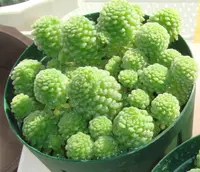
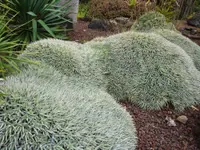
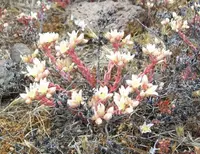
Santa Cruz Island liveforever (Dudleya nesiotica) is a small, rosette-forming succulent native to Santa Cruz Island off the coast of California. It grows as tight clusters of fleshy, often pale green leaves that store water for dry periods.

In habitat it clings to rocky slopes and coastal bluffs, adapted to bright light, excellent drainage, and low, seasonal rainfall. These traits make it drought tolerant but sensitive to excess water and poor air flow. Gardeners who care for Santa Cruz Island liveforever need to respect its preference for strong light, lean soil, and careful watering to keep plants compact and healthy.

Main Plant Requirements

Care Difficulty

Hard Care

Light Preference

Full Sun

Water Requirements

Low Water

Temperature Preference

Warm Climate

Hardiness Zone

9–11

Soil Texture

Sandy, Rocky, Loamy

Soil pH

Slightly acidic (6.5–7.0), Neutral (7.0)

Soil Drainage

Well-drained

Fertilization

Minimal (feed rarely)

Get Personalized Care Plan

Scan your plant to receive care tips personalized for your specific plant

Available on iOS and Android

How to Care for the Santa Cruz Island liveforever

This coastal succulent needs bright, cool conditions that mimic its native island cliffs.

  • Provide 4–6 hours of direct morning sun with bright, filtered light or light shade in the hot afternoon to prevent leaf scorch.
  • Santa Cruz Island liveforever tolerates light coastal shade but becomes elongated and pale if grown in less than 3–4 hours of direct sun.
  • In summer, protect from intense midafternoon sun, and in winter ensure an open, unshaded position so low-angle sun still reaches the rosette.

This species is a dry-summer succulent that prefers careful, infrequent watering.

  • Water only when the top 3–5 cm of soil are completely dry, then soak thoroughly and let excess drain away quickly.
  • During summer dormancy, reduce watering sharply, giving just a light drink if leaves start to wrinkle or lose firmness.
  • In the cool, active growth season, slightly increase frequency but watch for overwatering signs such as mushy leaves, blackened stem bases, or a sour soil smell.

This island dudleya prefers mild, coastal-type temperatures without strong frost or extreme heat.

  • Optimal growth occurs around 55–70°F (13–21°C), with cool nights improving color and overall vigor.
  • The plant tolerates brief dips to about 30°F (-1°C) if soil is very well drained and foliage stays dry, but hard frost can damage or kill rosettes.
  • In heat above 85–90°F (29–32°C), provide afternoon shade and extra airflow, and avoid watering during the hottest part of the day to limit stress.

This coastal succulent prefers very dry air and rarely needs extra humidity.

  • Target 20–40% humidity, similar to an arid, well-ventilated room or outdoor patio in dry climates.
  • Santa Cruz Island liveforever tolerates much lower humidity but suffers if kept above 60% for long periods.
  • Watch for soft, swollen leaves or blackened leaf bases as signs of excess humidity combined with poor air movement.
  • If air is humid, increase airflow with a fan or open window and keep leaves dry, avoiding any misting.

This species needs very lean, fast-draining, mineral soil to avoid root and crown rot.

  • Use a gritty cactus mix based on coarse sand and 50–70% inorganic aggregate such as pumice, lava rock, or crushed granite.
  • Ensure the texture is open and crumbly so water runs through in seconds, leaving air spaces around the roots.
  • Aim for slightly acidic to neutral pH, around 6.0–7.0, with minimal added organic matter and no moisture-retentive peat.
  • Avoid fine, dense potting soils, clay-heavy mixes, or compost-rich blends, which hold water and quickly damage Dudleya nesiotica roots.

This species is suitable for container growing if the pot is set up to dry rapidly after watering.

  • Choose a wide, shallow pot so the fibrous roots spread in a thin layer that dries quickly and does not stay cool and wet.
  • Pick unglazed clay to increase evaporation from the sides, which helps counter overwatering in rainy or humid weather.
  • Raise the container on feet or a stand so drainage holes stay clear and excess water cannot pool under the base.

This species from Santa Cruz Island liveforever habitats is adapted to low-nutrient soils and usually needs no fertilizer in cultivation.

Dudleya nesiotica needs minimal pruning, focused on hygiene rather than shaping.

  • Trim dried or damaged leaves at the base in late winter or early spring using clean, sharp scissors or snips.
  • Remove any rotting tissue promptly to improve air flow and reduce fungal problems around the rosette.
  • Avoid cutting into healthy rosette centers, as this can distort growth and increase rot risk.

Container-grown plants need infrequent repotting, as this species prefers tight, stable conditions.

  • Plan to repot every 3–4 years, or when roots circle the pot, drainage slows, or growth noticeably declines.
  • Repot in late winter to early spring, just before active growth, using a very gritty, fast-draining cactus mix.
  • Lift the plant gently, tease circling roots lightly, and remove old, soggy soil to limit root stress.
  • Water sparingly after repotting, allowing 5–7 days before the first light watering to let any root wounds dry.

Propagation of Dudleya nesiotica is best left to experienced growers or conservation programs, so home propagation is generally discouraged.

This coastal succulent dislikes hard frost and needs some winter attention in cold climates.

  • In regions below about 30°F, grow in containers so plants can be moved under cover during freezes.
  • Keep soil sharply drained and on the dry side in winter to reduce cold-related root rot.
  • Provide a cold, bright, frost-free site indoors or in an unheated greenhouse for overwintered pots.

Care Tips

Summer dry rest

Mimic the plant’s native climate by withholding water almost completely in hot, dry summer months and placing the pot under a bright, rain-sheltered overhang so the rosette stays dry and compact during dormancy.

Potting angle trick

When repotting, set the rosette at a slight tilt in a shallow, wide pot so water naturally drains away from the crown and old leaves, which reduces rot and helps maintain the plant’s characteristic shape.

Calcium-rich topdressing

Use a thin topdressing of crushed, rinsed limestone or marble chips over the soil surface to improve drainage at the crown and provide a slow source of calcium that matches this species’ coastal cliff habitat.

Hands-off farina

Avoid touching or wiping the white, powdery leaf coating (farina), and rotate the pot by holding the container rather than the rosette so the protective layer stays intact and leaves do not sunburn.

Rain and fog protection

In regions with cool, damp seasons, place containers under a cold frame, eave, or clear rain shield so the rosettes receive light and airflow but are protected from prolonged wetting, which is essential when caring for Santa Cruz Island liveforever.

Common Pests and Diseases

Aphids

This pest feeds on tender flower stalks and rosette centers, sucking sap and causing distortion and sticky honeydew. Symptoms include curled or stunted leaves and sooty mold growing on the honeydew deposits.

Solution

Control small infestations by strong water sprays or by wiping colonies off with a damp cloth or cotton swab. For heavier problems, use insecticidal soap or a light horticultural oil, applied in the early evening and kept off the leaf coating to avoid stressing this coastal succulent, following Dudleya nesiotica care instructions for bright, cool, well-ventilated conditions.

Mealybugs

This pest appears as white, cottony clusters in leaf axils and at the base of rosettes, where it sucks plant sap and weakens growth. Symptoms include yellowing leaves, slowed growth, and sticky residue.

Solution

Remove visible mealybugs with a cotton swab dipped in isopropyl alcohol, taking care not to saturate the leaf surface. Isolate the plant, repeat spot treatments weekly until clear, and improve air movement and light levels to reduce reinfestation risk.

Soft scale

These insects attach along leaves and stems as small, rounded bumps and feed continuously on sap. Symptoms include sticky honeydew, sooty mold, and a general decline in vigor.

Solution

Gently scrape off or wipe individual scales with a soft cloth or brush and discard. Follow with targeted applications of insecticidal soap or narrow-range horticultural oil, applied to the pests themselves while avoiding runoff into the rosette crown.

Powdery mildew

This disease forms a white, powdery film on leaves when plants are kept in humid, stagnant air, especially away from coastal airflow. Symptoms include dull, blotchy foliage and reduced vigor over time.

Solution

Increase air circulation, reduce overhead watering, and ensure the plant receives bright, cool, coastal-like conditions. Remove heavily affected leaves and, if needed, use a mild sulfur-based or potassium bicarbonate fungicide applied in dry weather and kept off the growing point.

Crown rot (fungal)

This disease starts at the rosette base when water sits in the crown or soil stays wet and warm, leading to soft, collapsing tissue. Symptoms include a mushy stem base, foul odor, and sudden collapse of the rosette.

Solution

At the first sign, stop watering, improve drainage, and move the plant to a brighter, breezier spot. Remove all soft, infected tissue with sterile tools, allow remaining tissue to dry thoroughly, and replant in a shallow, very gritty mix kept almost dry during warm periods.

Interesting Facts

Island-restricted native

This species is naturally restricted to Santa Cruz Island in California’s Channel Islands, where it grows on coastal bluffs and rocky slopes influenced by ocean fog.

Summer dormancy strategy

It follows a Mediterranean-type life cycle, actively growing and storing resources during cool, moist winters, then entering a pronounced summer dormancy to survive prolonged dry, sunny conditions.

Conservation concern status

It is considered rare and vulnerable due to its very limited range, small wild populations, and sensitivity to habitat disturbance, which has led to legal protection and strict regulation of wild collection.

Botan icon

Did you know?

Genetic and field studies indicate that this species likely evolved in isolation on Santa Cruz Island from a mainland ancestor, making it an example of insular speciation, where new species arise on islands through geographic isolation and unique local conditions.

FAQs about Santa Cruz Island liveforever

This species performs best outdoors in a dry, coastal or Mediterranean-style climate with excellent drainage and full exposure. Santa Cruz Island liveforever indoor care is challenging long term because typical indoor humidity, warmth, and low light encourage rot and weak growth.

Grow Healthy Plants with Botan Care

Keep your plants happy and healthy with plant identification, disease detection, and easy care guidance.

Botan plant care app — identify plants on mobile

Explore More Plants