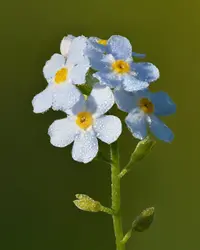
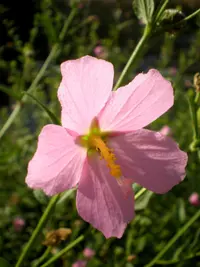
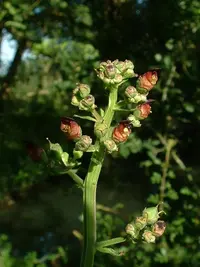
upright burhead Care (Echinodorus berteroi)

Also known as: Erect burhead, Cellophane sword, tall bur-head
upright burhead

About upright burhead

Upright burhead, Echinodorus berteroi, is a marginal aquatic plant commonly used in ponds, water gardens, and large aquariums. It forms tall, upright leaves from a basal rosette and can produce decorative flower stalks above the waterline in suitable conditions.

In the wild, it occurs in freshwater wetlands, ditches, and slow-moving waters in the Americas. It tends to be robust once established but needs consistent moisture and space, which can challenge small setups.

This species prefers nutrient-rich, soggy or submerged substrates and stable water conditions, so understanding how to care for upright burhead helps keep its growth healthy and controlled.

Main Plant Requirements

Care Difficulty

Moderate Care

Light Preference

Partial Sun

Water Requirements

Aquatic

Temperature Preference

Tropical / Frost Sensitive

Hardiness Zone

10–11

Soil Texture

Sandy, Loamy, Organic-rich

Soil pH

Acidic (5.5–6.5), Slightly acidic (6.5–7.0)

Soil Drainage

Waterlogged tolerant

Fertilization

Moderate (every 2–4 weeks)

Get Personalized Care Plan

Scan your plant to receive care tips personalized for your specific plant

Available on iOS and Android

How to Care for the upright burhead

This aquatic species needs strong light to form sturdy, broad leaves and maintain compact growth.

  • Provide 8–10 hours of bright light daily, with full sun to light shade; morning sun and filtered midday light prevent leaf scorch in shallow plantings.
  • In ponds or marshy beds, allow some taller plants to cast partial shade during intense summer sun to avoid bleaching and brittle foliage.
  • Poor light causes elongated, weak leaves and slow growth; increase light gradually in spring and reduce duration slightly in high summer if algae blooms appear around upright burhead.

This species is adapted to constant moisture and often grows with its crown at or just below the waterline.

  • Keep the root zone consistently saturated; soil or substrate should never dry out beyond the top 1–2 cm, whether in ponds, bog gardens, or shallow water margins.
  • Use slow-moving or still water with a rich, silt or loam substrate; avoid sharply drained, sandy beds that lose moisture quickly and stress Echinodorus berteroi.
  • Yellowing, soft, collapsing leaves can indicate stagnation or rot from foul anaerobic conditions, while dull, wilting foliage and cracked mud signal insufficient water depth or drying substrate.

This species prefers warm conditions and declines when exposed to cold or frost.

  • Aim for 72–82°F (22–28°C) for strongest growth; plants in this range produce larger leaves and more robust root systems in shallow water or saturated soil.
  • Tolerates short dips to about 59°F (15°C), but prolonged exposure below 55°F (13°C) stunts growth and may cause leaf melt, especially in exposed, windy sites.
  • Avoid frost entirely; freezing damages crowns and roots, while heat above 90°F (32°C) is tolerated if water stays cool, oxygenated, and at a stable depth through summer.

This aquatic species handles a wide humidity range but prefers consistently humid air near 60–80%.

  • Tolerates typical indoor 40–50% humidity but grows more vigorously in 60–80%, especially when leaves emerge above water.
  • Low humidity causes browning or crisping leaf edges and slower emergence of new emersed leaves.
  • Increase humidity by clustering plants near the aquarium, using an open-top tank, or placing trays of water nearby to raise local moisture.

Echinodorus berteroi prefers nutrient-rich, fine-textured substrates that stay wet but not anaerobic.

  • Use a loamy, organic-rich base such as aquarium plant substrate or a mix of clay-rich soil and compost, capped with fine sand or gravel to prevent clouding.
  • Ensure slow, even drainage in emergent setups; soil should remain saturated but not produce foul odor, which indicates low oxygen and rot risk.
  • Aim for slightly acidic to neutral pH around 6.0–7.2 to support nutrient uptake and stable growth in this rooted aquatic plant.
  • Avoid coarse, very sandy, or purely inert gravel without nutrient supplementation, and prevent compacted, airless mud by mixing in some fibrous organic matter.

This species is suitable for container growing in large aquatic tubs or ponds.

  • Choose a wide, relatively deep basket or pot to allow the extensive root system to anchor without crowding and to stabilize tall foliage against tipping.
  • Use a heavier, clay-based substrate so the container stays weighted under water and does not float or shift in moving water.
  • Position the container so the crown sits just below or at the water surface, then adjust water depth gradually as the plant gains height and strength.

Echinodorus berteroi responds well to moderate, steady nutrients rather than heavy feeding.

  • Use a balanced aquatic fertilizer or slow-release root tabs near the crown, avoiding direct contact with the rhizome.
  • Feed during the active growing season every 4–6 weeks, following label directions for aquatic plants.
  • Dilute liquid fertilizer to 1/2 strength to limit algae and prevent root burn in upright burhead setups.
  • Reduce or stop feeding in winter or dormancy when growth slows noticeably.

Pruning Echinodorus berteroi focuses on removing old foliage to maintain vigor and water quality.

  • Trim yellowing, torn, or algae-covered leaves at the base throughout the growing season using clean scissors.
  • Remove crowded inner leaves to improve light penetration and water flow around remaining foliage.
  • Cut old flower stalks near the base once seeds or plantlets are harvested to redirect energy to roots and new leaves.
  • Avoid heavy cutting in one session; stagger pruning over several weeks to reduce plant stress.

Transplanting or resetting Echinodorus berteroi is mainly needed when plants outgrow their space or crowd other species.

  • Look for signs such as roots escaping the substrate, slowed growth, or a dense clump shading nearby plants.
  • Plan transplanting in spring or early summer when growth is active, typically every 1–3 years in aquaria or ponds.
  • Gently loosen the root ball, trim damaged roots, and replant the crown just above the substrate surface.
  • Handle roots under water when possible, keep them moist, and avoid bending or breaking thick roots to limit shock.

Echinodorus berteroi is commonly propagated from vegetative parts rather than relying on seed in home setups.

  • Use plantlets that form on submerged or emergent flower stalks, waiting until they have several roots and 3–4 leaves.
  • Detach plantlets with clean scissors and anchor them gently in fine-grained substrate under moderate light.
  • Division of large, healthy crowns in spring can also work; separate sections with their own roots and replant promptly.
  • Maintain stable water temperature, gentle flow, and balanced nutrients to support fast establishment of new plants.

Winter care needs for Echinodorus berteroi depend on climate and whether it is grown submerged indoors or outdoors.

  • In USDA zones colder than 8, treat outdoor plants as non-hardy and overwinter them indoors in aquaria or tubs.
  • Avoid exposure to freezing air or ice; crown tissue and leaves are frost-sensitive.
  • For pond culture in mild climates, keep the crown below the frost line and maintain stable water depth.

Care Tips

Substrate Depth Planning

Provide a fine to medium sand or gravel layer at least 7–10 cm deep so the strong root system can anchor securely and prevent the plant from floating up as leaves enlarge.

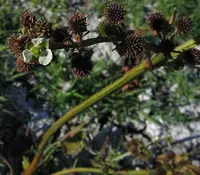
Rhizome Inspection Routine

Lift and inspect the crown zone gently every 3–4 months, trimming away any soft, black, or foul-smelling tissue to prevent rot from spreading through the plant.

Nutrient Zone Targeting

Place root tabs or slow-release aquatic fertilizer directly under the central root zone rather than scattering them, which concentrates nutrients where this heavy root feeder can use them efficiently.

Emergent Growth Management

If tall emergent leaves shade other plants or escape the tank, cut the longest petioles near the base while leaving several healthy submerged leaves so the plant can redirect energy without stalling.

Flower Stalk Propagation

When a flower stalk develops plantlets along its length, allow each rosette to form several leaves and visible roots, then cut and plant it into the substrate to expand a group when growing upright burhead in larger aquaria.

Common Pests and Diseases

Algae overgrowth

This problem appears as green, brown, or filamentous growth covering leaves, blocking light and slowing growth. Symptoms include pale, weakened foliage and poor new leaf development.

Solution

Reduce aquarium lighting to 8–10 hours, limit excess nutrients by controlling feeding, and increase water changes to improve quality. Gently wipe algae from leaves by hand, add fast-growing plants or algae-eating fish/shrimp if compatible, and maintain stable CO2 and fertilization to favor healthy Echinodorus berteroi plant care over algal growth.

Nutrient deficiencies

Symptoms include pale or yellowing leaves, transparent patches, pinholes, and weak growth due to lack of key nutrients such as iron, potassium, or nitrogen. Older leaves may melt away while new ones emerge small and deformed.

Solution

Test and adjust aquarium fertilization, using a complete root tab fertilizer near the plant crown along with a balanced liquid fertilizer if needed. Maintain consistent dosing, avoid large swings in water parameters, and trim severely damaged leaves to encourage healthy regrowth.

Crypt melt

This disease-like condition causes sudden softening and disintegration of leaves after changes in water chemistry, light, or substrate disturbance. Symptoms include leaves turning translucent, then rapidly decaying from the edges inward.

Solution

Remove decaying leaves promptly to prevent fouling the water, but leave the crown and roots undisturbed in the substrate. Stabilize water parameters, avoid sudden changes in temperature or hardness, reduce strong current directly on the plant, and allow several weeks for new submerged leaves to regrow.

Snail herbivory

These animals may rasp and eat softer or older leaves, leaving irregular holes, shredded edges, and thin transparent areas. Damage is often more visible on already weakened or algae-covered foliage.

Solution

Manually remove pest snails, reduce overfeeding that supports their population, and use snail traps or selective snail-eating fish where appropriate. Maintain good plant nutrition so leaves stay firm, and remove decaying foliage that attracts grazing.

Spider mites (emergent growth)

These insects affect plants grown emersed, causing tiny yellow stippling, fine webbing, and dry, brittle leaves on above-water foliage. Infestations develop in warm, dry air around emergent or paludarium setups.

Solution

Increase ambient humidity around emergent leaves, gently rinse foliage with water, and wipe undersides of leaves to remove mites and webbing. For persistent cases, use an insecticidal soap or horticultural oil labeled for indoor ornamental plants, applied carefully to emergent parts while avoiding contamination of aquarium water.

Interesting Facts

Amphibious leaf forms

This species produces broad, heart-shaped submerged leaves and narrower, sometimes slightly different-shaped emergent leaves, allowing the same plant to adjust its foliage to either fully aquatic or shallow marsh conditions.

River and marsh specialist

In nature it is typically found rooted in soft, nutrient-rich mud along slow-moving rivers, streams, and seasonal wetlands in parts of Central and South America, where water levels fluctuate through the year.

Floating flower stalks

Its inflorescences arise on long, slender stalks that can reach the water surface and float or arch above it, bearing whorls of small white flowers that are pollinated in air rather than underwater.

Botan icon

Did you know?

Genetic and morphological studies have shown that plants historically traded under this name in the aquarium hobby often represented several different species, so true wild-type material is now of particular interest to botanists and serious aquarists studying Echinodorus diversity.

FAQs about upright burhead

Yellowing leaves usually come from nutrient deficiency, low light, or older leaves naturally aging. Check root health, remove decaying material, and provide regular aquatic fertilizer to support new growth when caring for upright burhead in a tank or pond.

Grow Healthy Plants with Botan Care

Keep your plants happy and healthy with plant identification, disease detection, and easy care guidance.

Botan plant care app — identify plants on mobile

Explore More Plants