scorpionbush Care (Ehretia microphylla)

Also known as: Fukien tea tree
scorpionbush

About scorpionbush

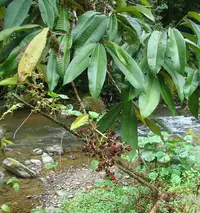
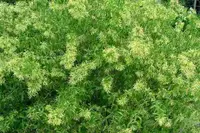
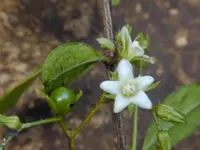
Scorpionbush (Ehretia microphylla) is a small evergreen shrub valued for its fine branching, tiny leaves, and naturally compact growth. It is often used for bonsai and low hedging. The plant occurs in tropical and subtropical regions of Asia, where it grows in warm, bright conditions and tolerates regular pruning. Small white flowers and occasional orange to red berries add ornamental interest, especially on mature plants. It is considered moderately easy to grow if light and watering are managed with some consistency. Those learning how to care for scorpionbush should note its preference for bright light, evenly moist but not soggy soil, and good air circulation.

Main Plant Requirements

Care Difficulty

Moderate Care

Light Preference

Full Sun

Water Requirements

Moderate Water

Temperature Preference

Tropical / Frost Sensitive

Hardiness Zone

10–11

Soil Texture

Sandy, Loamy, Organic-rich

Soil pH

Slightly acidic (6.5–7.0), Neutral (7.0)

Soil Drainage

Well-drained

Fertilization

Light (every 4–6 weeks)

Get Personalized Care Plan

Scan your plant to receive care tips personalized for your specific plant

Available on iOS and Android

How to Care for the scorpionbush

Ehretia microphylla prefers bright conditions with some protection from intense midday sun.

  • Provide 4–6 hours of direct morning sun with light shade or filtered light after midday, especially in hot climates.
  • Tolerates partial shade (around 3–4 hours of sun), but growth and leaf density may decrease if light is too low, especially on scorpionbush used for hedging or bonsai.
  • In summer, watch for leaf scorch or crisping edges in harsh afternoon sun; in winter, avoid deep shade by moving plants to a brighter, south- or east-facing position.

Watering for Ehretia microphylla focuses on moist but never waterlogged soil.

  • Let the top 2–4 cm of soil dry before watering again, then water slowly until the root zone is evenly moistened and excess drains away.
  • In warm growing seasons, expect faster drying and more frequent watering; in cooler months, drying will slow and watering should be reduced to prevent root rot.
  • Signs of overwatering include yellowing leaves and soft stems, while crisp leaf edges and drooping, light soil indicate the plant is staying too dry between waterings.

Stable warm temperatures support compact, healthy growth.

  • Aim for 65–85°F (18–29°C) for best growth, as Ehretia microphylla is a warm-climate shrub that responds with dense foliage and steady branching in this range.
  • Protect from cold below about 40°F (4°C); brief dips to around 32°F (0°C) may damage leaves and young shoots, and hard frost can kill top growth or the whole plant.
  • In hot periods above 90°F (32°C), growth may slow; provide extra shade and soil moisture, and avoid positioning near heat-reflective walls or pavement.

This species prefers moderate ambient humidity and only needs attention in very dry homes.

  • Aim for 40–60% humidity; scorpionbush tolerates brief dips lower but may shed some leaves if kept too dry long term.
  • Crisp leaf edges or stalled new growth near heating vents often indicate chronic low humidity stress.
  • Use a pebble tray with water under, but not touching, the pot or group plants together to slightly raise local humidity.

Ehretia microphylla prefers a loose, free-draining mix that does not stay waterlogged.

  • Use a sandy-loam style mix: 50–60% standard potting mix with 20–30% coarse sand and 20–30% perlite for extra drainage.
  • Keep pH slightly acidic to neutral, around 6.0–7.0, which supports nutrient availability and root health.
  • Blend in a modest amount of mature compost or fine bark to add organic matter without making the mix heavy or soggy.
  • Avoid dense clay-based soils or peat-heavy mixes that compact easily and hold water around the roots for long periods.

This species adapts well to container growing when the pot is chosen to support its woody root system.

  • Select a pot slightly wider than the rootball with moderate depth so woody roots can anchor without circling tightly.
  • Choose a heavier material, such as ceramic, if the canopy is pruned into a tree form to reduce the risk of tipping in wind.
  • Ensure drainage holes are unobstructed and elevate the pot on feet so excess water clears quickly from the base.

Ehretia microphylla responds well to moderate feeding that supports compact growth and flowering without forcing soft, weak shoots in scorpionbush.

  • Use a balanced liquid fertilizer (around 10-10-10) at 1/2 strength every 2–4 weeks during the active growing season.
  • Alternatively, apply a slow-release balanced fertilizer or a light top-dressing of fine compost in spring.
  • Pause or reduce feeding to once every 6–8 weeks at very low strength in winter or cool, low-light conditions.
  • Water before and after liquid feeding to reduce root burn and distribute nutrients evenly through the substrate.

Pruning Ehretia microphylla maintains a dense framework, encourages flowering wood, and keeps the plant in scale for bonsai or containers.

  • Carry out main structural pruning in late winter or early spring before vigorous new growth starts.
  • Remove dead, damaged, or crossing branches first, then thin congested inner shoots to improve light and airflow.
  • Shorten overly long shoots to 1–3 leaf pairs to refine shape while preserving flowering spurs on finer twigs.
  • Use clean, sharp shears or bonsai scissors and make small, angled cuts just above a healthy bud.

Container-grown Ehretia microphylla benefits from periodic repotting to refresh soil, prevent root binding, and maintain steady growth.

  • Repot every 2–3 years or when roots circle the pot base, water drains very quickly, or growth becomes noticeably slower.
  • Choose late winter to early spring for major repotting, just before strong new growth begins.
  • Gently tease out circling roots, prune away up to 20–30% of the root mass, and remove old, compacted substrate.
  • Replant in a slightly larger pot with free-draining soil, water thoroughly, then keep in bright, sheltered conditions for 1–2 weeks to reduce stress.

New Ehretia microphylla plants are most reliably produced from semi-ripe stem cuttings under warm, humid conditions.

  • Take 7–10 cm semi-ripe cuttings in late spring to mid-summer from healthy, non-flowering shoots.
  • Remove lower leaves, lightly wound the base, and dip in rooting hormone to improve root initiation.
  • Insert cuttings into a sterile, free-draining mix such as 50% perlite and 50% peat-free compost or coco coir.
  • Maintain bottom warmth around 70–75°F, high humidity, and bright, indirect light until firm rooting develops.

Outdoor Ehretia microphylla is frost-tender in most temperate climates, so winter protection is important in cold areas.

  • Move container plants indoors or into a frost-free greenhouse when night temperatures approach 40°F.
  • Provide bright, indirect light and slightly cooler indoor temperatures of 55–65°F to slow growth in winter.
  • Reduce watering but do not allow the root ball to dry out completely during dormancy or semi-dormancy.
  • In mild climates, mulch the root zone lightly to moderate soil temperature and conserve moisture.

Care Tips

Regular wiring checks

If trained as bonsai, inspect branch wiring every 2–3 weeks and loosen or reposition wires as soon as the bark begins to mark, since this species thickens branches quickly in warm conditions.

Clip-and-grow shaping

Use a clip-and-grow method by removing overly vigorous shoots back to 1–2 leaves once they harden, which encourages dense, fine branching without causing excessive stress to the plant.

Flowering cycle management

After a main flush of flowers finishes, lightly trim spent flowering shoots and reduce fertilizer slightly for 3–4 weeks to prevent leggy growth and to support the next compact flush of blooms.

Root pruning timing

For container or bonsai plants, schedule root pruning only in warm, active growth periods and remove no more than 25–30% of the root mass at one time to avoid setbacks.

Scale and mite monitoring

Check the undersides of leaves and woody stems every month for early signs of scale insects or spider mites, and if found, isolate the plant and use a systematic treatment such as horticultural oil over several weeks to break the pest life cycle when caring for scorpionbush.

Common Pests and Diseases

Cuban laurel thrips

This pest scrapes and sucks the leaf surface, leading to silvery streaks, brown scarring, and leaf distortion, especially on young foliage and bonsai trees. Symptoms include curled, hardened leaves that may look dirty or bronzed.

Solution

Prune and discard heavily distorted leaves, then spray the plant thoroughly with a mild insecticidal soap or neem oil, focusing on the undersides of leaves and shoot tips. Improve air movement around the plant and repeat treatments every 7–10 days until new growth appears clean to support stable Ehretia microphylla care.

Leaf miners

These insects live inside the leaves and create pale, winding tunnels that can cause blotchy patches and premature yellowing. Symptoms include thin, papery areas along the trails where tissue has been eaten from within.

Solution

Remove and discard mined leaves as soon as trails are noticed to break the life cycle. For ongoing problems, use a systemic insecticide labeled for leaf miners or introduce beneficial parasitoid wasps outdoors, and keep the plant well watered and unstressed so it can replace damaged foliage quickly.

Scale insects

This pest attaches firmly to stems and leaf midribs, appearing as small bumps that excrete sticky honeydew. Symptoms include slowed growth, yellowing leaves, and sometimes sooty mold growing on the honeydew.

Solution

Wipe stems and leaves with a cotton pad dipped in diluted alcohol to remove visible scale, then wash the plant with insecticidal soap or horticultural oil. Inspect weekly and repeat spot treatments on any surviving or newly hatched scale until no new insects appear.

Sooty mold

This disease develops as a black, powdery or velvety coating on leaves and stems, growing on the sugary honeydew from sap-sucking insects like scale, mealybugs, or whiteflies. Symptoms include reduced photosynthesis, dull foliage, and sticky surfaces.

Solution

First control the underlying insect infestation, then gently wash affected leaves with lukewarm water and a small amount of mild soap to remove the mold. Improve light and airflow so leaves dry quickly, and thin overcrowded branches to reduce future humidity buildup around the foliage.

Leaf spot

This disease causes small brown, tan, or dark purple spots on leaves, sometimes with yellow halos that can merge into larger dead patches. Symptoms include premature leaf drop on stressed or densely grown plants, especially in warm, humid conditions.

Solution

Remove and discard affected leaves and avoid overhead watering so foliage stays as dry as possible. Increase spacing and airflow, water at soil level in the morning, and if the problem persists, use a copper-based or other appropriate fungicide according to label directions during periods of warm, humid weather.

Interesting Facts

Key bonsai species

This shrub is one of the most commonly used tropical species for small-leaf bonsai, because its naturally tiny, dense foliage and fine branching structure scale down convincingly to miniature tree form.

Salt-tolerant coastal shrub

In its native and naturalized range from South and Southeast Asia to parts of the Pacific, this plant often grows near coasts and shows tolerance to salty winds and sandy, alkaline soils, which allows it to form low thickets in exposed sites.

Night-fragrant flowers

The small white, tubular flowers are modest in size but produce a noticeable sweet fragrance, which tends to be more apparent in the evening when temperatures drop and air is more still.

Botan icon

Did you know?

In several parts of Southeast Asia and the Pacific, this species is traditionally planted as a living hedge around house compounds and temple grounds, where it is pruned into dense, interlocking walls that function as both boundary markers and windbreaks.

FAQs about scorpionbush

Poor flowering usually comes from insufficient light, heavy or high‑nitrogen feeding, or old, unpruned wood. Provide strong light, use a balanced fertilizer sparingly, and prune lightly after flowering periods to stimulate new, flower‑bearing shoots.

Grow Healthy Plants with Botan Care

Keep your plants happy and healthy with plant identification, disease detection, and easy care guidance.


Botan plant care app — identify plants on mobile

Explore More Plants