

Russian olive Identification (Elaeagnus angustifolia)

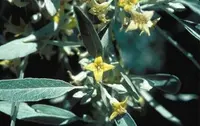
Recognize Russian olive by its narrow alternate leaves, usually 2-4 inches (5-10 cm) long, with a dense silvery coating on both surfaces, plus short thorny side branches on a small tree or large shrub.

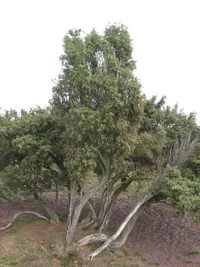
The bark is dark and furrowed, often contrasting with the pale foliage.

Elaeagnus angustifolia Identification

Identify a Plant by Photo

Take a photo and use Botan to confirm your plant identification.

Clear images work best. Avoid photos taken too close or too far away

Check the overall form and leaf shape first on Elaeagnus angustifolia.

  • Usually a large shrub or small tree with a narrow, irregular crown and many slender branchlets.
  • Leaves are alternate, long and narrow, about 2-4 inches (5-10 cm) long, with smooth edges.
  • Both leaves and young twigs look silvery-gray from dense fine scales, not hairs.
  • Short, sharp thorns often sit on twigs or small branches.
  • Fruits are olive-like, about 1/2 inch (1-1.5 cm) long, yellowish to tan with a silvery cast.

The silvery coating plus narrow leaves and thorny twigs are the quickest field marks.

Russian olive shows clear visual shifts from thorny sapling to flowering, fruiting small tree.

  • Young plant: Young plants are narrow and upright, often with sharp side spines; twigs look especially silvery, and leaves appear relatively sparse along long, slender shoots.
  • Mature plant: Mature plants form a broader, irregular crown and thicker, furrowed trunks, commonly reaching 15-30 feet (4.6-9.1 m), with more rigid branching than younger plants.
  • Flowering stage: Flowers appear singly or in small clusters from leaf axils, creamy yellow and tubular, standing out against the silver foliage more clearly than on nonflowering branches.
  • Fruiting stage: Fruiting branches carry oval, silvery drupes that ripen yellowish to tan, creating a dotted look through the canopy absent during the flowering stage.

In spring, Elaeagnus angustifolia leafs out with narrow, silvery leaves. Late spring to early summer brings small pale yellow flowers, often partly hidden in the leaf axils. By late summer to fall, olive-like yellow to tan fruits become visible. After leaf drop, the thorny branching and gray-brown bark stand out more clearly.

A few silvery-leaved shrubs and small trees can be mistaken for Russian olive.

oleaster(Elaeagnus umbellata)

Shares silvery foliage and thorny stems. Usually a shrub, not a tree. Leaf undersides are silvery but upper surfaces are greener, and fruits ripen red with silver speckles.

silver buffaloberry(Shepherdia argentea)

Also silvery and thorny, with narrow leaves. Leaves are opposite, not alternate. Fruits are clustered red berries rather than olive-like yellow to tan drupes.

white willow(Salix alba)

Can suggest the same narrow, silvery foliage at a distance. Willow lacks thorny branches, and its leaves are longer, finer, and more obviously serrated.

Elaeagnus angustifolia is native from southeastern Europe through western and central Asia, including areas around the Black Sea, the Caucasus, Iran, and into Kazakhstan and western China. In the wild it is often found along rivers and floodplains, around lakes, and on dry steppe margins or disturbed ground. That mix of riparian and semi-arid habitats helps narrow identification, especially where a silvery shrub or small tree appears in open, sunny inland sites.

  • Sharp thorns: Many Elaeagnus angustifolia plants bear stiff spines on the stems. This is a physical injury risk from skin contact for humans and pets, especially around eyes and hands.
  • Edible look-alike caution: The fruits are sometimes mistaken for olives. True olives (Olea europaea) have smooth green leaves above, while Elaeagnus angustifolia leaves are narrow and silvery on both sides. Misidentification matters because appearance alone should not be used to judge edibility.

Does Your Plant Match?

Upload a photo to Botan for a quick second check and clearer confirmation before labeling or researching the plant further.

FAQ

When dormant, this plant shows thorny twigs, a narrow irregular crown, and distinctive silvery-gray bark and branchlets. The leaves are gone, so how to identify Russian olive depends more on thorny stems and persistent silvery fruit stalks.

More Plant Identification Guides

Know What Plant You Have

Use Botan to identify a plant from a photo, then review plant details, care information, and common problems.

Botan app identifying a plant from a photo
When to Harvest Tomatillos: How to Tell When They're Ripe

4 min read · 20 Oct 2026

When to Harvest Tomatillos: How to Tell When They're Ripe

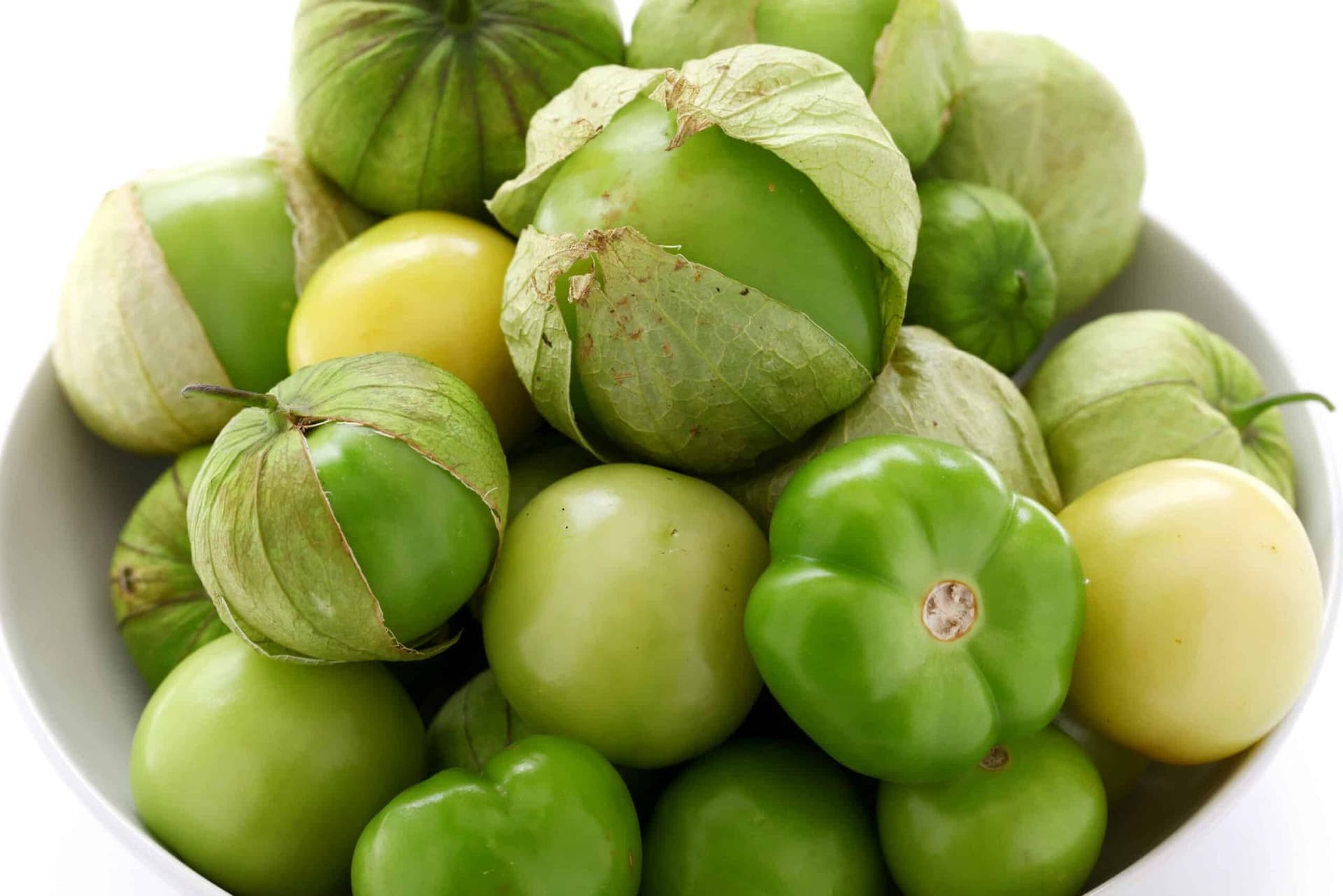
Tomatillos grow inside papery husks, making it hard to judge ripeness at a glance. This guide explains how to know when tomatillos are ripe and offers practical advice on harvesting and storage.

Plant Recommendations
When to Harvest Tomatillos: How to Tell When They're Ripe
Top 15 Plants That Don’t Need Sunlight

8 min read · 17 Sept 2026

Top 15 Plants That Don’t Need Sunlight

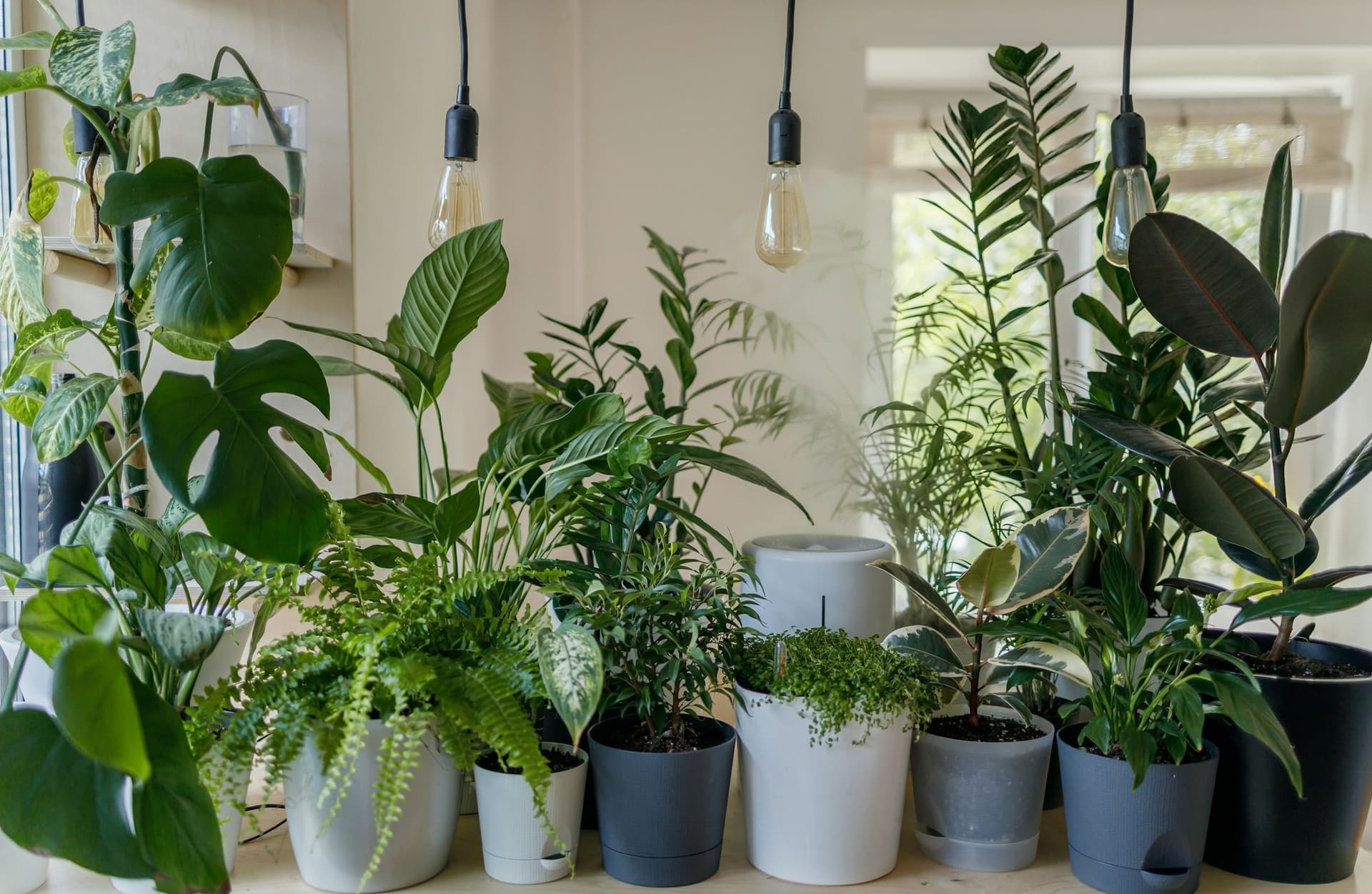
Some plants thrive in dim rooms, shaded corners, and places with indirect light. In this guide, you’ll explore the top 15 species best suited to low-light conditions and how to care for them.

Plant Recommendations
Top 15 Plants That Don’t Need Sunlight
How to Water Houseplants: Watering Guide

7 min read · 24 Aug 2026

How to Water Houseplants: Watering Guide

Learn how often to water indoor plants, key factors for proper watering, and how to adjust the care routine by plant type, season, pot size, light, and indoor conditions.

Plant Care
How to Water Houseplants: Watering Guide