Elatine brochonii Care

Elatine brochonii

About Elatine brochonii

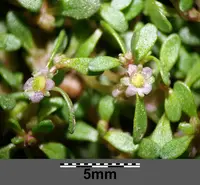
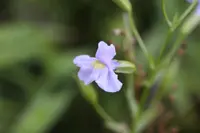
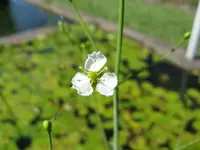
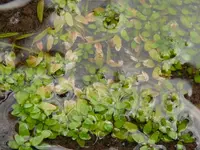
Elatine brochonii is a small aquatic or semi-aquatic plant that forms low, mat-like growth in shallow water or on muddy shores. Its fine stems and tiny opposite leaves create a delicate, carpet-style appearance.

This species occurs naturally in parts of Europe, typically in temporary pools, wetlands, and seasonally flooded habitats. It prefers clean, still or slow-moving water and soft, nutrient-poor substrates.

Because it is adapted to fluctuating water levels, it can be sensitive to unstable conditions in cultivation. Stable moisture, good water quality, and gentle light make it easier to care for Elatine brochonii.

Main Plant Requirements

Care Difficulty

Hard Care

Light Preference

Partial Sun

Water Requirements

Aquatic

Temperature Preference

Warm Climate

Hardiness Zone

Unknown

Soil Texture

Sandy, Loamy, Organic-rich

Soil pH

Acidic (5.5–6.5), Slightly acidic (6.5–7.0)

Soil Drainage

Waterlogged tolerant

Fertilization

Light (every 4–6 weeks)

Get Personalized Care Plan

Scan your plant to receive care tips personalized for your specific plant

Available on iOS and Android

How to Care for the Elatine brochonii

This small aquatic or marginal species needs stable, moderate light to form dense, healthy growth.

  • Provide 8–10 hours of bright, indirect light or filtered sun; in ponds or shallow margins, morning sun with light midday shade helps prevent leaf burn.
  • Tolerates partial shade, but below about 5–6 hours of usable light daily, carpets thin out, stems elongate, and algae may outcompete the plants.
  • In summer, protect from intense afternoon sun with shading nets or taller plants; in winter, growth slows if light drops sharply, so avoid additional shading.

This species prefers constant saturation and does best in shallow water or very wet substrate with no drying cycle.

  • Maintain a stable water level 1–10 cm above the substrate; for emersed edges, keep the soil consistently wet so the surface never dries out or cracks.
  • Use fine, mineral-rich substrate with gentle water movement; stagnant water encourages algae, while strong currents can uproot delicate Elatine brochonii mats.
  • Watch leaves for stress signs: yellowing, mushy foliage, or rotten stems suggest poor water quality or anaerobic substrate, while crisp, shrinking leaves indicate periods of drying.

This cool- to mild-water plant needs relatively stable temperatures to maintain compact growth and healthy rooting.

  • Ideal growth occurs around 64–75°F (18–24°C); within this range, carpets stay dense and stems remain low and branching.
  • Tolerates brief drops to about 50°F (10°C) but is highly sensitive to frost; freezing conditions can kill foliage and roots, especially in shallow margins.
  • In warm periods above 79–82°F (26–28°C), growth may slow and algae pressure increases, so provide shade, higher oxygenation, and avoid sudden temperature swings.

This species prefers consistently moist air to match its aquatic or bog habitat.

  • Aim for 60–80% humidity to keep foliage compact and prevent drying at the tips.
  • Dry air causes slow growth, pale leaves, and crispy margins on emersed shoots.
  • Use open water surfaces, shallow trays, or tightly covered tanks to maintain a humid boundary layer around Elatine brochonii.

This species thrives in fine, saturated substrate rather than conventional potting soil.

  • Use a fine-textured mix such as rinsed sand with 10–20% inert aquarium plant substrate or clay-based aquatic soil for root anchoring.
  • Keep the substrate waterlogged or very wet with slow water movement; never allow it to dry out or become strongly flowing.
  • Maintain pH around 6.0–7.2, avoiding strongly acidic or alkaline conditions that reduce nutrient availability and weaken growth.
  • Limit organic matter to a thin base layer only, since high organics compact easily, reduce aeration, and can cause anaerobic, foul-smelling conditions.

This species is suitable for container culture in shallow aquatic setups or bog-style trays.

  • Choose a wide, shallow container so the low, carpeting growth can spread without deep water shading the leaves.
  • Use rigid plastic or glass containers to keep water level stable and prevent substrate disturbance when moving the setup.
  • Drill or use overflow outlets just below the rim to control maximum water depth and avoid sudden flooding of the foliage layer.

This small aquatic species grows in low‑nutrient habitats and usually needs no added fertilizer in naturalistic setups.

This tiny mat-forming aquatic plant needs almost no true pruning, only light trimming for maintenance.

  • Trim back overgrown or straggling patches at any time using fine scissors or aquascaping shears.
  • Remove discolored, decaying, or algae-covered shoots to maintain healthy, dense growth.
  • Short, frequent trims encourage a compact carpet and prevent taller stems shading lower growth.

As a very small aquatic species, this plant is managed by replanting patches rather than classic repotting.

  • Transplant when growth becomes too dense, lifts from the substrate, or shows bare patches in the carpet.
  • Best timing is during active growth in spring–summer, when water temperature and light are stable.
  • Gently lift clumps with tweezers, split into small plugs, and reinsert into fine-grain substrate.
  • Keep roots covered, avoid exposing them to air for long, and reduce disturbance to nearby plants.

This species is commonly multiplied when adjusting carpets in aquaria or wet setups.

  • The main method is vegetative division, separating small clumps or runners of Elatine brochonii.
  • Carry out division in spring–summer when light and temperature favor quick re-establishment.
  • Use tweezers to tease apart tiny plugs, keeping some roots and shoots on each piece.
  • Replant closely in nutrient-poor, fine substrate under steady moisture and moderate light.

In temperate climates outdoors, this small aquatic annual or short-lived species usually needs no specific winter care.

  • In outdoor tubs, allow the natural annual cycle and reseeding where local regulations permit growing Elatine brochonii.
  • For container cultures, keep water from freezing solid by moving tubs to a cool, frost-free space.
  • Indoors, simply maintain stable cool–moderate temperatures and adequate light through winter.

Care Tips

Substrate anchoring

Use a shallow layer of fine-grain sand over nutrient substrate and gently press stems down so they root quickly and form a dense mat instead of floating away or uprooting during maintenance.

Flow management

Position this plant in low to moderate water flow, or use hardscape to create sheltered zones, so the delicate stems are not uprooted and fine leaves do not trap excessive debris.

Trim for density

Once patches are established, trim the top 0.5–1 cm regularly to encourage lateral branching and a tighter carpet rather than tall, sparse vertical growth.

Clean, sharp tools

Use fine aquascaping scissors or small, sharp embroidery scissors and rinse them before and after use to reduce tissue damage and lower the risk of introducing pathogens when caring for Elatine brochonii.

Gradual planting

Plant small plugs in a checkerboard pattern, then fill in gaps over several weeks as they spread, which stabilizes the substrate and reduces shock compared with planting a full dense carpet at once.

Common Pests and Diseases

Algal overgrowth

Symptoms include a green, slimy film spreading over the substrate and plant surfaces, often in brightly lit, nutrient-rich aquaria. This condition competes with the plant for light and dissolved nutrients and can smother low, carpeting growth.

Solution

Reduce excess light duration and intensity to about 8–10 hours, cut back on overfeeding fish, and increase partial water changes to stabilize nutrients. Manually remove algae from leaves and substrate with a soft brush or siphon, and improve water circulation so fine-leaved patches of Elatine brochonii are not covered by stagnant, algae-prone zones.

Filamentous cyanobacteria

This disease appears as dark green to blue-green, slimy threads or sheets that detach easily and can rapidly cover the low-growing mat. These bacteria thrive in organic-rich, low-nitrate, low-flow areas and can choke out delicate stems.

Solution

Mechanically remove as much cyanobacteria as possible by siphoning and gentle brushing, then correct water chemistry by maintaining moderate nitrate, reducing accumulated detritus, and ensuring steady CO₂ and flow across the substrate. In stubborn cases, a carefully dosed aquarium-safe antibiotic or blackout treatment can be used, followed by frequent water changes to prevent recurrence when growing Elatine brochonii.

Aquatic leaf spot

This disease causes small translucent to brown spots on submerged leaves, which may progress to pinholes and melting of the fine foliage. This often occurs in tanks with unstable conditions, plant stress, or poor hygiene, allowing opportunistic fungi or bacteria to colonize damaged tissue.

Solution

Trim and remove affected leaves to reduce inoculum, then stabilize key parameters such as temperature, CO₂, and nutrients so new growth remains healthy. Maintain good filtration, avoid overcrowding, and perform regular substrate cleaning to limit organic buildup that favors pathogens on this slow, carpeting species.

Planarian grazing

These flatworms may glide over the substrate at night and rasp at tender new shoots, causing misshapen or missing tips and thinning patches in dense carpets. This pest is more common in tanks with heavy feeding and abundant leftover food or detritus.

Solution

Reduce feeding, vacuum the substrate more frequently, and use planaria traps baited with food to lower populations without disturbing plants. In severe cases, apply an aquarium-safe planaria treatment at the recommended dose, combined with extra water changes to protect sensitive Elatine foliage from chemical stress.

Hydra infestation

This pest forms tiny, branched polyps with tentacles anchored to hardscape, glass, or even plant leaves, potentially stinging very small invertebrates and delicate new shoots. These animals indicate excess food and micro-prey in the water column, often in nano tanks with fine-leaved groundcovers.

Solution

Lower feeding levels and increase water changes to reduce suspended food and microfauna that support hydra. Manual removal from glass and hardscape combined with temporary use of an aquarium-safe hydra control product or adding suitable natural predators can gradually clear the infestation without harming the plant carpet.

Interesting Facts

Mediterranean pond specialist

This species is native to temporary freshwater pools and slow channels in southwestern Europe, especially France and parts of the western Mediterranean, where it grows as a tiny annual in very shallow water or on muddy margins.

Annual amphibious life cycle

It completes its entire life cycle in a single growing season, producing minute leaves and flowers while submerged or on wet mud, then surviving the dry period only as dormant seeds in the soil.

Indicator of rare habitats

Populations are often confined to traditional, low-intensity agricultural landscapes and fishpond systems, so its presence can indicate relatively undisturbed seasonal wetland microhabitats.

Botan icon

Did you know?

Elatine brochonii is considered threatened or rare in several parts of its natural range, and conservation assessments highlight that changes in water management and the loss of small, seasonal ponds are major risks to its long-term survival.

FAQs about Elatine brochonii

This species is usually treated as an annual in cultivation. It completes its life cycle in one growing season, then relies on self‑sown seed or replanting to return the next year.

Grow Healthy Plants with Botan Care

Keep your plants happy and healthy with plant identification, disease detection, and easy care guidance.

Botan plant care app — identify plants on mobile

Explore More Plants