Manage Rapid Seeding
Cut back flowering stems before fluffy seed heads fully develop if you want to limit self-sowing, and bag any removed stalks so wind does not spread seeds around the site.

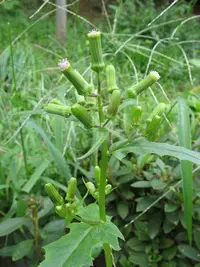
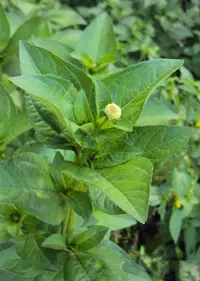
American burnweed, Erechtites hieraciifolius, is a fast-growing annual herb often found in disturbed sites, forest clearings, and recently burned areas. It has upright, branching stems with elongated, toothed leaves and clusters of small, pale flower heads that quickly turn to fluffy seed. In many regions it behaves as a weed, spreading rapidly by wind-dispersed seeds, especially in open, moist ground. The plant thrives in full sun to light shade and usually prefers moist, well-drained soils, which makes it easy to establish but harder to control. Gardeners who want to care for American Burnweed should be prepared for its vigorous self-seeding habit and quick colonization of bare soil.

Care Difficulty
Easy Care

Light Preference
Full Sun

Water Requirements
Moderate Water

Temperature Preference
Warm Climate

Hardiness Zone
4–10

Soil Texture
Sandy, Loamy, Organic-rich

Soil pH
Acidic (5.5–6.5), Slightly acidic (6.5–7.0)

Soil Drainage
Moist but well-drained

Fertilization
Minimal (feed rarely)
Scan your plant to receive care tips personalized for your specific plant
Available on iOS and Android
This fast-growing annual prefers open, bright conditions similar to disturbed field or roadside habitats.
This species favors consistently moist but not waterlogged soil, especially during early growth.
This warm-season annual grows best in mild to hot conditions but is sensitive to frost.
Humidity is rarely a limiting factor for American Burnweed, which tolerates typical outdoor air conditions well.
This species thrives in loose, disturbed, nutrient-rich ground with fast drainage and consistent moisture.
This species can be grown in containers, mainly for temporary, seasonal culture or observation rather than long-term display.
Erechtites hieraciifolius is a fast-growing annual that usually performs well in average, unfertilized soil.
Pruning Erechtites hieraciifolius is mainly about limiting spread and removing unsightly growth in managed spaces.
This species is seldom grown in pots; care focuses on transplanting self-sown seedlings in garden or restoration settings.
Propagation of Erechtites hieraciifolius is almost entirely by seed, which the plant produces in abundance.
As a warm-season annual, this plant dies back with frost and does not need dedicated winter care.

Plant Health Check
Not sure what's wrong with your plant? Check your plant's health inside the app.
This species is known as a classic fireweed in eastern North America, rapidly colonizing recently burned or disturbed sites where bare, nutrient-rich soil is exposed.
The plant produces many small, tufted seeds with a pappus, a ring of fine hairs that acts like a parachute, allowing wind to carry them long distances.
Crushed leaves and stems release a strong, resinous smell, which likely helps deter some herbivores and may also reduce fungal growth on damaged tissue.

Indigenous groups in North America historically used the dried, fluffy seed heads of this species as tinder, taking advantage of how easily the fine hairs and seeds ignite and help catch a spark.
This species spreads rapidly by wind-dispersed seed and can form dense patches in disturbed soil. Regular removal before flowering, mulching bare ground, and limiting soil disturbance help prevent unwanted spread in gardens or landscaped areas.
Keep your plants happy and healthy with plant identification, disease detection, and easy care guidance.