


5 min read · 11 Sept 2026
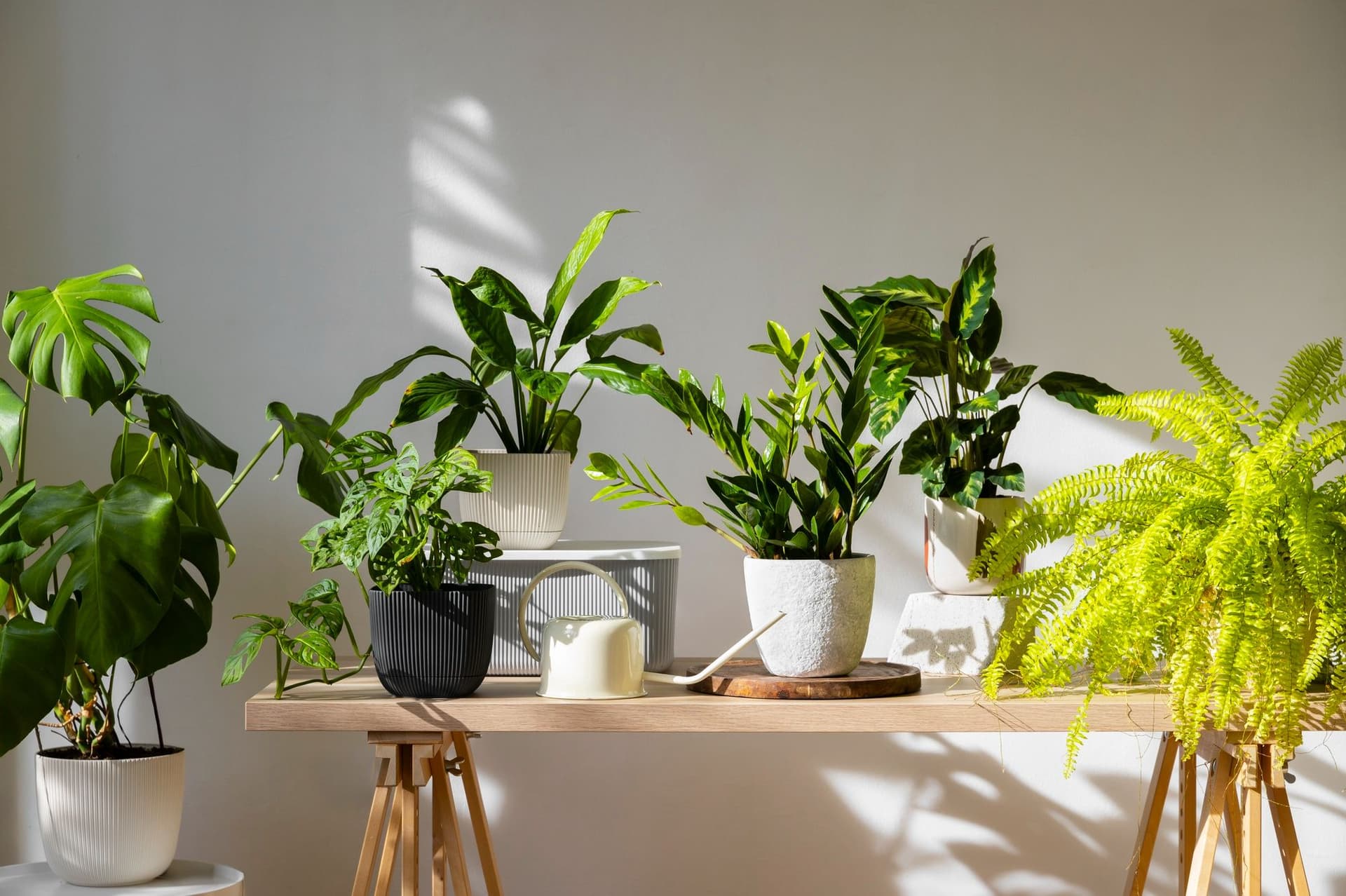
Top 5 Best Indoor Plants for Air Quality
Indoor plants can make a room feel fresher thanks to their air-purifying qualities. Here are 5 of the most suitable choices for your routine and living space.
Plant Recommendations


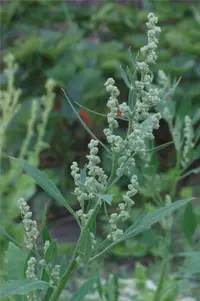
Recognize American Burnweed by its single upright stem, alternate lance-shaped leaves with coarse teeth and clasping leaf bases, and narrow cylindrical flower heads without showy rays.
Plants usually stand 2 to 8 feet (0.6 to 2.4 m) tall, often branching near the top into loose clusters of these tube-like heads.
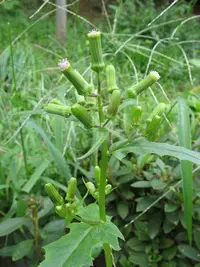
Use a clear photo to confirm what plant you have.
Clear images work best. Avoid photos taken too close or too far away
Check the plant’s tall, upright form and leaf shape first.
Look for the combination of clasping upper leaves and many narrow flower heads.
American Burnweed shows several clear visual shifts from early leaf growth to seed production.
By mid to late summer, Erechtites hieraciifolius becomes easier to spot when narrow, cylindrical flower heads appear in loose clusters at stem tips. The heads are green to yellowish rather than showy. In late summer to fall, the seed heads open into small white tufts that give the plant a noticeably fluffier look before it dies back after frost.
Several coarse annual asters can be mistaken for Erechtites hieraciifolius at a glance.
American fireweed(Senecio angustifolius)
Both are tall, weedy annuals with narrow, toothed leaves and clustered flower heads. American fireweed usually has narrower, more uniformly lance-shaped leaves and orange to reddish stem tones; burnweed more often shows broader, irregularly lobed upper leaves.
Eastern groundsel(Senecio vulgaris)
This one can resemble young plants because both have soft, toothed leaves and small cylindrical flower heads. Eastern groundsel stays much shorter, often under 16 inches (40 cm), and its leaves are usually more deeply lobed and clasp the stem more obviously.
Erechtites hieraciifolius is native to much of eastern and central North America, from Canada through the eastern United States and into parts of Mexico, Central America, and the Caribbean. It is most often found in disturbed ground, woodland edges, clearings, burns, roadsides, fields, and moist waste places. Habitat is useful for identification because this species commonly appears quickly in recently opened or bare sites rather than in stable, undisturbed plant communities.

Identify Your Plant
Scan your plant to get a quick ID
Use Botan to identify or verify a plant from a photo, helping avoid mix-ups with similar species.
The quickest field mark is its narrow, cylindrical flower heads with no showy rays, clustered at stem tips, plus alternate, often lobed leaves on a tall, green annual. This combination helps with identifying American Burnweed.
Use Botan to identify a plant from a photo, then view species-specific details, care information, and common problems.

5 min read · 11 Sept 2026
Indoor plants can make a room feel fresher thanks to their air-purifying qualities. Here are 5 of the most suitable choices for your routine and living space.
10 min read · 25 Aug 2026
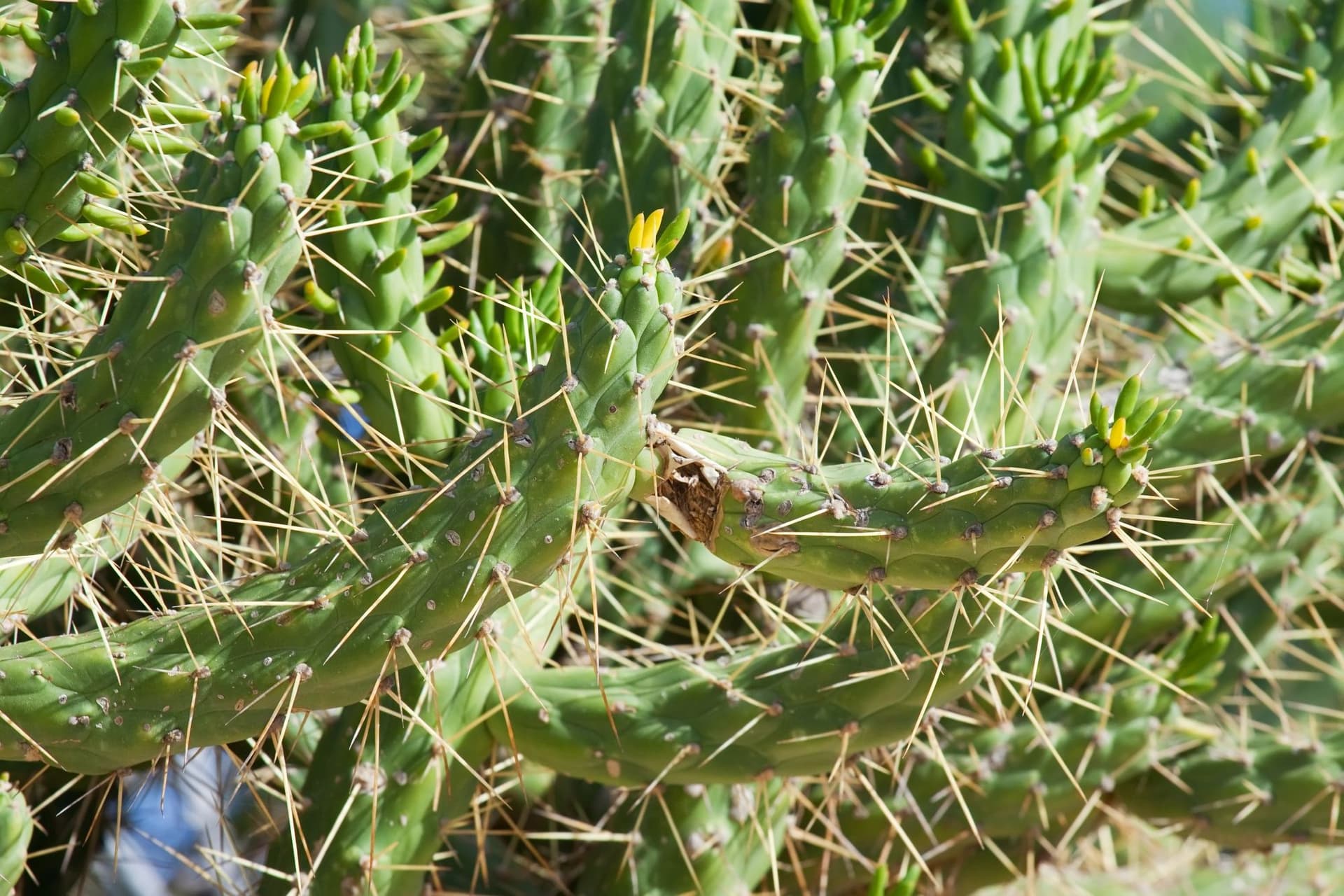
Many plants defend themselves with sharp thorns. This guide explores over 20 examples among flowers, shrubs, trees, and vines. You'll learn what each plant looks like, why it grows thorns, and how to quickly identify them.

6 min read · 15 Sept 2026
Plants can grow under artificial light when the setup provides a suitable spectrum, enough intensity, and sufficient daily exposure. This guide explains how artificial lighting compares with sunlight, which options work indoors, and how to match a setup to houseplants.