Eriosyce taltalensis Care

Eriosyce taltalensis

About Eriosyce taltalensis

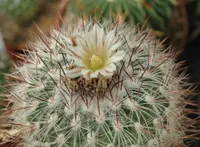
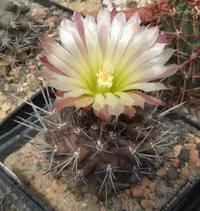
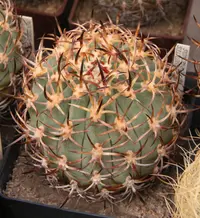
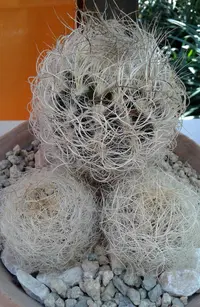
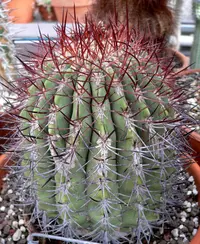
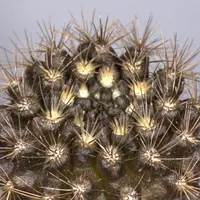
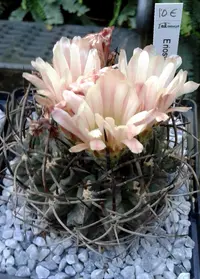
Eriosyce taltalensis is a small, slow-growing desert cactus native to the coastal hills of northern Chile. It usually forms a single rounded stem with strong, dark spines. The plant often shows muted green to brownish skin, with pronounced ribs and woolly areoles where the spines emerge. In season, it produces relatively large funnel-shaped flowers that contrast with the compact body. This species is adapted to arid, rocky conditions and cool coastal influence, which makes it sensitive to excess moisture and poor drainage. Understanding its natural habitat helps owners care for Eriosyce taltalensis successfully in containers or specialized cactus beds.

Main Plant Requirements

Care Difficulty

Moderate Care

Light Preference

Full Sun

Water Requirements

Low Water

Temperature Preference

Warm Climate

Hardiness Zone

10–11

Soil Texture

Sandy, Rocky, Loamy

Soil pH

Slightly acidic (6.5–7.0), Neutral (7.0)

Soil Drainage

Well-drained

Fertilization

Minimal (feed rarely)

Get Personalized Care Plan

Scan your plant to receive care tips personalized for your specific plant

Available on iOS and Android

How to Care for the Eriosyce taltalensis

This desert cactus needs strong light but benefits from some protection during the hottest hours.

  • Provide 6–8 hours of direct sun daily, ideally with morning sun and light afternoon shade in very hot, low-latitude climates.
  • Outdoors, place Eriosyce taltalensis in an open, unobstructed spot; in brighter coastal or high-elevation areas, use filtered light at midday to prevent scorching.
  • Increase sun exposure gradually in spring to avoid sunburn, and avoid deep shade, which causes lanky, pale growth and weak spine development.

This species is highly drought-tolerant and must dry thoroughly between waterings.

  • Water only when the top 3–5 cm of soil are completely dry, then soak thoroughly so excess drains away, especially during active growth in warmer months.
  • Use a very fast-draining mineral-rich mix; prolonged wet soil, a sour smell, yellowing, or soft, translucent stem tissue indicate overwatering and potential root rot.
  • In winter or cool periods below active growth temperatures, reduce watering sharply or keep almost dry; slight wrinkling of ribs signals safe time to water again for Eriosyce taltalensis.

This Chilean desert cactus prefers warm, dry conditions with cool but not freezing nights.

  • Aim for 65–80°F (18–27°C) for active growth, with good air movement to prevent fungal issues in humid climates.
  • Protect from frost; brief drops to 35–40°F (2–4°C) are usually tolerated if kept dry, but prolonged freezing damages roots and stem tissue.
  • In hot spells above 90–95°F (32–35°C), give light afternoon shade and extra airflow; avoid watering with very cold water on hot soil to reduce stress.

This desert cactus prefers very dry air and rarely suffers from low household humidity.

  • Aim for 20–40% relative humidity, which matches its native arid conditions.
  • Excess humidity shows as soft, translucent spots or unexplained rot at the base or ribs.
  • Increase air movement with a small fan rather than adding moisture, and always keep the plant in a well-ventilated, low-humidity spot.

Eriosyce taltalensis needs a very coarse, mineral-rich, fast-draining substrate to prevent root rot.

  • Use a gritty mix such as 70–80% mineral material (pumice, coarse sand, lava rock, or perlite) with 20–30% low-organic cactus potting mix.
  • Ensure water drains through in seconds and the mix dries fully within 2–4 days after watering.
  • Keep pH slightly acidic to neutral (pH 6.0–7.0), avoiding limy or heavily fertilized substrates.
  • Avoid peat-heavy, compact, or water-retentive mixes that stay damp, as they quickly lead to root loss.

This species is well suited to container growing when the pot supports its dry, mineral soil needs.

  • Select a heavy, low clay or ceramic pot to prevent tipping as the body enlarges and becomes top-heavy.
  • Choose a pot only slightly wider than the root system to keep the soil volume small and fast-drying.
  • Elevate the pot or use feet so drainage holes stay clear and runoff leaves the container area quickly.

This desert cactus needs very light feeding to avoid weak, overly lush growth.

  • Use a low-dose balanced NPK cactus fertilizer or very dilute general-purpose feed at 1/4 strength.
  • Apply once every 4–6 weeks in spring–summer only, when Eriosyce taltalensis is actively growing.
  • Skip fertilizer in autumn–winter to allow proper dormancy and prevent root stress.
  • Always water lightly before feeding to reduce the risk of fertilizer burn in sandy, fast-draining soil.

This species needs almost no pruning, as growth is slow and compact by nature.

Container-grown plants benefit from infrequent repotting into fresh, very free-draining mix.

  • Check for roots circling the pot, pushing through drainage holes, or noticeably slowed growth as signals to repot.
  • Plan repotting for late spring, every 3–5 years, when temperatures are stable and dry.
  • Remove the plant carefully, shake off old soil gently, and trim only dead or rotten roots with clean tools.
  • Let roots dry for 2–3 days, then place in a slightly larger pot with gritty mix and keep almost dry for 1–2 weeks.

This cactus is mainly propagated from seed, as offsets are uncommon and growth is slow.

  • Sow fresh seed in late spring under bright, indirect light and stable warmth around 70–80°F.
  • Use a sterile, very fine, gritty mix and barely cover seeds, keeping moisture even but not wet.
  • Provide a clear cover or humidity dome with small vents for airflow to reduce fungal problems.
  • Expect slow, uneven germination; transplant seedlings only once well rooted into individual small pots.

Cool, dry winter conditions are important for this cactus and help set a healthy growth cycle.

  • Keep temperatures around 40–50°F in winter; brief light frosts may be tolerated if soil stays completely dry.
  • Move container plants under cover or indoors in cold, wet climates to avoid prolonged freezing and rain.
  • Stop watering in winter so the roots stay dry and less prone to cold damage.

Care Tips

Deep pot choice

Use a heavy, deep pot with ample drainage holes to stabilize the slowly elongating taproot and prevent the plant from toppling as the stem becomes taller and more cylindrical over time.

Mineral top dressing

Apply a 0.5–1 cm layer of inert grit (pumice, lava rock, or coarse quartz) on the soil surface to keep the neck of the plant dry, reduce rot risk, and discourage fungus gnats.

Summer rain protection

In rainy periods, place the plant under a clear overhang or use a portable rain shield so natural light is maintained while excess unplanned moisture is kept off the pot and crown.

Winter rest management

During the cool rest period, keep the plant in a bright, very dry spot and rotate the pot 90° every few weeks to avoid leaning or etiolated growth as it conserves energy.

Root inspection schedule

Every 2–3 years, unpot the plant in late spring, gently remove old soil, trim dead roots, and let it dry 2–3 days before repotting, which supports long-term root health when caring for Eriosyce taltalensis.

Common Pests and Diseases

Red spider mites

This pest is common on dry-grown Chilean cacti and often appears when air is hot and very dry with little air movement. Symptoms include pale, roughened patches on ribs and areoles, fine webbing, and slow, stressed growth.

Solution

Isolate the plant, then shower the stems with a firm stream of lukewarm water, including every rib and areole, and repeat weekly. Increase air movement, avoid extreme heat buildup under glass, and use a miticide labeled for spider mites on cacti if washing is not sufficient, treating all nearby plants at the same time.

Mealybugs

These insects hide in areoles, wool, and root zone and feed on sap, causing yellowing, stunted growth, and sometimes a sticky residue. Above-ground colonies look like small white cottony clumps, while root mealybugs appear as white fuzz on roots and inside the pot.

Solution

Physically remove visible insects with a cotton swab dipped in isopropyl alcohol, then rinse the plant thoroughly and let it dry in bright, airy shade. For severe or root infestations, unpot the plant, wash off all soil and mealybugs, trim damaged roots, repot in fresh mineral-rich mix, and apply a systemic insecticide labeled for mealybugs according to Eriosyce taltalensis care instructions.

Corking-related fungal spots

Symptoms include dark, sunken or scabby areas that spread from old, naturally corking tissue into still-green parts of the stem. This disease often develops when minor skin damage on thick-skinned cacti stays damp and poorly ventilated, allowing opportunistic fungi to colonize the tissue edge.

Solution

Improve air circulation, avoid overhead watering, and keep the stem surface dry, especially in cool conditions. If lesions are small and dry, leave them and monitor; if they spread or stay soft, cut away affected tissue with a sterile blade, allow the wound to callus completely in a dry, bright place, and adjust watering to keep the substrate dry for longer periods.

Bacterial soft rot

This disease causes rapidly spreading soft, water-soaked, and often foul-smelling tissue, usually starting from a wound, old flower scar, or the base of the stem. Symptoms include sudden collapse of part of the plant, with skin that feels mushy instead of firm.

Solution

Immediately isolate the plant, cut away all affected tissue into clean, firm, healthy flesh with a sterile knife, and discard all rotted material. Let the cleaned plant dry in a warm, airy, shaded place until the cut surface forms a hard callus, then re-root or replant in dry, sterile, very well-drained substrate and resume light watering only after strong new roots form.

Interesting Facts

Fog-dependent desert cactus

This species occurs on extremely arid coastal hills of northern Chile, where it relies on ocean fogs rather than regular rainfall as its main water source, absorbing moisture that condenses on its body and surrounding substrate.

Variable spination patterns

Populations show striking variation in spine length, thickness, and color between nearby localities, reflecting strong adaptation to local microclimates such as sun exposure and wind intensity.

Extremely slow growth

In habitat, individuals can take many years to reach just a few centimeters in diameter, with growth limited by very low water availability and nutrient-poor mineral soils.

Botan icon

Did you know?

Some wild populations are highly localized to narrow coastal bands near Taltal in Chile, making them vulnerable to habitat disturbance and contributing to conservation concern despite the species being more common in cultivation, where Eriosyce taltalensis care can help preserve its genetic diversity outside the wild.

FAQs about Eriosyce taltalensis

Growth is very slow. In cultivation, this species may add only a few millimeters in diameter per year, especially when young. Stable warmth, strong light, and a very free-draining mineral mix support modest but healthy growth.

Grow Healthy Plants with Botan Care

Keep your plants happy and healthy with plant identification, disease detection, and easy care guidance.

Botan plant care app — identify plants on mobile

Explore More Plants