coughbush Care (Ernodea littoralis)

Also known as: Beach-creeper
coughbush

About coughbush

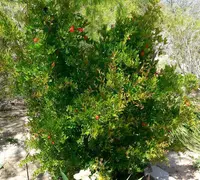
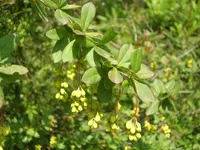
Coughbush, Ernodea littoralis, is a low, dense evergreen shrub native to coastal areas of Florida, the Caribbean, and parts of Central America. It naturally forms spreading mats that stabilize sandy soils near beaches and dunes.

The plant has small, leathery leaves and produces tiny tubular flowers followed by bright red berries, giving it an attractive, fine-textured look. It is adapted to salt spray, wind, and poor, sandy soils, which makes it a durable landscape option in coastal climates.

Because it tolerates drought, heat, and high salinity, many growers find it relatively simple to care for coughbush in suitable outdoor conditions. It generally prefers full sun, well-drained soil, and occasional deep watering once established.

Main Plant Requirements

Care Difficulty

Easy Care

Light Preference

Full Sun

Water Requirements

Low Water

Temperature Preference

Tropical / Frost Sensitive

Hardiness Zone

10–11

Soil Texture

Sandy, Loamy, Rocky

Soil pH

Slightly acidic (6.5–7.0), Slightly alkaline (7.0–7.5)

Soil Drainage

Well-drained

Fertilization

Minimal (feed rarely)

Get Personalized Care Plan

Scan your plant to receive care tips personalized for your specific plant

Available on iOS and Android

How to Care for the coughbush

Ernodea littoralis thrives in strong coastal sun but adapts to slightly shadier inland sites.

  • Provide 6–8 hours of direct sun daily; full sun promotes dense growth and good flowering for coughbush.
  • Tolerates light or dappled shade, especially with morning sun and light afternoon shade in very hot inland sites.
  • Watch for stress: pale, leggy stems indicate too little light, while scorched, bronzed leaves suggest intense, reflected afternoon sun on very dry soil.

Ernodea littoralis is drought-tolerant once established and prefers dry to slightly moist conditions.

  • Allow sandy or fast-draining soil to dry at least in the top 5–8 cm before watering again in garden settings.
  • In the first growing season, use deep, infrequent watering, then reduce frequency once roots are established and rainfall is consistent.
  • Overwatering shows as yellowing leaves and soft stems; underwatering causes crisp leaf tips and overall thinning, but plants usually recover after rain.

This coastal shrub is adapted to warm, frost-free climates with high heat tolerance.

  • Optimal growth occurs around 70–90°F (21–32°C), common in tropical and subtropical coastal areas.
  • Plants tolerate brief drops to about 30–32°F (-1–0°C), but repeated frost can kill young growth and damage older stems.
  • High heat above 95°F (35°C) is usually tolerated if soil drains well; maintain mulch and avoid planting where reflected heat is extreme.

This coastal shrub handles a wide humidity range and rarely needs special humidity management.

  • Thrives at 30–60% humidity, similar to typical outdoor and indoor air in many homes.
  • Tolerates dry air well, so coughbush usually shows no stress unless combined with extreme heat or underwatering.
  • Low humidity stress appears as browning leaf tips and edges; correct by improving watering rather than misting.

This species prefers very well-drained, sandy soil that mimics coastal conditions.

  • Use a gritty, sandy mix such as 50–60% coarse sand, 20–30% perlite or pumice, and 10–20% composted organic matter.
  • Aim for slightly acidic to neutral pH, roughly 6.0–7.5, which supports balanced nutrient availability for Ernodea littoralis.
  • Ensure fast drainage with no water pooling; raised beds or mounded planting help keep the root zone aerated.
  • Avoid heavy clay, compacted ground, or peat-heavy mixes that hold water and limit oxygen around the roots.

This species can be grown in containers if drainage and root space are carefully managed.

  • Choose a wide, low container to accommodate its spreading habit and prevent the plant from becoming unstable in wind.
  • Select a porous material like unglazed terracotta if extra evaporation is needed in wet or humid climates.
  • Elevate the pot slightly on feet or bricks so drainage holes stay clear and runoff water leaves the root zone quickly.

Native to nutrient-poor coastal sites, coughbush needs only light, infrequent feeding when grown in landscape or containers.

  • Use a balanced, slow-release fertilizer (around 10-10-10) or a thin layer of compost in early spring.
  • Apply at low strength, using about 1/2 the label rate to avoid forcing soft, weak growth.
  • In warm climates, 1–2 light applications during the main growing season are usually enough.
  • Skip fertilizing in winter or any cool dormant period to let growth slow naturally.

Ernodea littoralis benefits from modest pruning to maintain a dense, low, coastal shrub form.

  • Carry out light shaping in late winter or early spring before strong new growth starts.
  • Remove dead, diseased, or storm-damaged stems first, then thin the most crowded interior branches.
  • Shorten overly long or leggy shoots to encourage branching and a fuller, groundcover-like habit.
  • Use clean, sharp hand pruners and make cuts just above a healthy node or side branch.

This coastal shrub is usually grown in the ground, with transplanting more common than container repotting.

  • Transplant in late winter or early spring when temperatures are mild and soil is workable.
  • Look for signs such as slow growth, roots circling the pot, or the plant tipping in its container before moving it.
  • Shift to a slightly larger pot or new site with very well-drained sandy soil to mimic native conditions.
  • Water thoroughly before and after transplanting, then keep soil lightly moist for 1–2 weeks to reduce root stress.

This species is commonly propagated to establish groundcover plantings and stabilize sandy coastal soils.

  • Take semi-hardwood stem cuttings in late spring to summer and root them in a sharp, sandy mix with good drainage.
  • Remove lower leaves, optionally dip bases in rooting hormone, and keep humidity moderate with bright, indirect light.
  • Alternatively, allow naturally layered, low branches that touch the soil to root, then sever and transplant.
  • Seeds can be sown in warm conditions; use a free-draining medium and keep lightly moist until germination.

In frost-free coastal climates, Ernodea littoralis needs little to no special winter care.

  • It is sensitive to hard frost; growth may be damaged below about 30°F, especially in exposed sites.
  • In marginal climates, add a 5–8 cm layer of mulch around the root zone, keeping it off the stems.
  • Container plants in cooler areas can be moved to a bright, frost-free spot for the coldest weeks.

Care Tips

Coastal Wind Training

In exposed coastal sites, allow young plants to grow naturally without staking so they develop a low, wind-firm framework, then tip-prune only the tallest shoots to encourage a dense, salt-tolerant cushion.

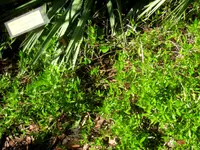
Sand Stabilization Use

On sandy slopes or dunes, plant in staggered rows and lightly rake sand around the base of stems once or twice a year to encourage new rooting that improves erosion control and plant anchoring.

Salt Spray Management

After extreme storm events with heavy salt spray, hose foliage with fresh water in the early morning to dilute surface salts and reduce leaf scorch while allowing foliage to dry quickly.

Targeted Groundcover Renewal

If the center of an older planting opens up, pin down a few flexible outer stems into shallow trenches and lightly cover them with sandy soil so they root and refill bare patches within one growing season.

Low-Input Weed Control

For large areas, lay a 3–5 cm layer of coarse, washed sand between plants rather than organic mulch to suppress weeds while maintaining the sharp drainage that suits caring for coughbush in coastal conditions.

Common Pests and Diseases

Scale insects

This pest often settles on older stems and leaf nodes, sucking sap and causing gradual yellowing and reduced vigor in coastal yard plantings. Symptoms include small dome-shaped bumps that feel hard or waxy on stems and undersides of leaves.

Solution

Prune out heavily infested twigs, then wipe remaining colonies with cotton pads dipped in 70% isopropyl alcohol or spray with a light horticultural oil labeled for woody ornamentals. Improve plant vigor with correct watering and full-sun exposure, and repeat oil treatments every 7–10 days for several cycles to target newly hatched crawlers.

Sooty mold

This disease develops on the sticky honeydew left by sap-feeding insects, coating leaves and stems with a black, powdery film that reduces photosynthesis. Symptoms include dull, blackened foliage that may look dirty but often wipes off with a damp cloth.

Solution

Control honeydew-producing insects such as scale or mealybugs first, since the fungus feeds on their secretions. Rinse foliage with a firm stream of water or gently wipe affected leaves, and thin dense growth slightly to improve light penetration and air movement and support natural cleaning by rain and wind.

Spider mites

These insects become a problem during hot, dry periods, especially on plants grown slightly away from sea spray, causing fine stippling and a dull, grayish cast to the foliage. Symptoms include very fine webbing between leaves and tiny moving specks on the undersides of leaves.

Solution

Spray foliage thoroughly with a strong but controlled stream of water to dislodge mites, focusing on leaf undersides, and repeat every few days during outbreaks. If needed, follow with insecticidal soap or a light horticultural oil in the early morning, avoiding applications during high heat or intense sun to prevent leaf burn.

Leaf spot

This disease appears as small tan to dark-brown spots on older leaves, sometimes with a yellow halo, after extended periods of warm, humid weather or overhead irrigation. Symptoms include scattered spotting that may cause premature leaf drop on shaded or crowded plants.

Solution

Remove and discard the most affected leaves and any dense interior twigs to improve air circulation, then water at soil level instead of overhead to keep foliage dry. In regions with frequent summer rain, a copper or chlorothalonil fungicide labeled for ornamental shrubs can be applied preventively at the first sign of spotting, following label intervals until weather turns drier.

Interesting Facts

Coastal sand stabilizer

This low, woody shrub naturally colonizes beach ridges and dunes, where its dense root and stem network helps trap and stabilize shifting coastal sand.

High salt tolerance

The plant thrives close to the sea, tolerating salt spray and sandy, nutrient-poor soils that are stressful or lethal to many other coastal species.

Year‑round nectar source

Its small tubular flowers can appear through much of the year in warm climates, providing a consistent nectar source for butterflies and other pollinators in coastal habitats.

Botan icon

Did you know?

This species is considered a key component of the native coastal strand and dune vegetation in parts of Florida and the Caribbean, where its presence often indicates relatively undisturbed shoreline habitat.

FAQs about coughbush

This species forms a low, slowly expanding mat rather than running aggressively. It spreads outward over time by branching stems, but is generally manageable with light pruning and edging, making it suitable for coastal ground cover plantings.

Grow Healthy Plants with Botan Care

Keep your plants happy and healthy with plant identification, disease detection, and easy care guidance.

Botan plant care app — identify plants on mobile

Explore More Plants