Storm‑safe staking
Install 2–3 sturdy stakes outside the root zone and loosely tie the trunk with soft, wide ties in windy areas so the young tree can flex slightly without snapping during storms.

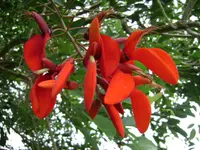
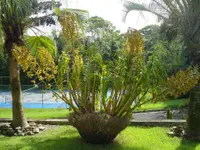
Bucayo, Erythrina fusca, is a fast-growing tropical tree known for its light, open canopy and seasonal displays of orange to red pea-like flowers. It typically develops a broad crown with thorny branches and compound leaves that give medium, filtered shade.
This species occurs naturally in lowland wetlands, riverbanks, and coastal areas across tropical America and parts of Asia, so it tolerates periodic flooding and humid conditions. It prefers full sun, warm temperatures, and moist but draining soil, which makes it relatively easy to establish in suitable climates.
Because it grows quickly and fixes nitrogen, it is often used as a shade or support tree in agroforestry systems. These traits also influence how to care for bucayo in managed landscapes or large gardens.

Care Difficulty
Moderate Care

Light Preference
Full Sun

Water Requirements
Aquatic

Temperature Preference
Tropical / Frost Sensitive

Hardiness Zone
10–12

Soil Texture
Loamy, Silty, Organic-rich

Soil pH
Acidic (5.5–6.5), Slightly acidic (6.5–7.0)

Soil Drainage
Waterlogged tolerant

Fertilization
Minimal (feed rarely)
Scan your plant to receive care tips personalized for your specific plant
Available on iOS and Android
This fast-growing tropical tree needs strong light and warmth to flower and grow well.
This riverine species prefers consistently moist but not stagnant soil.
This tropical tree thrives in warm, frost-free climates and does poorly in cold conditions.
This species tolerates a wide humidity range but grows best with moderate ambient moisture.
Erythrina fusca prefers moist, well‑aerated soil that does not stay waterlogged.
This species can be grown in large containers for a limited time, mainly in warm climates or as a patio specimen.
Erythrina fusca benefits from light, targeted feeding rather than heavy fertilization when grown as bucayo or an ornamental tree.
Erythrina fusca responds well to thoughtful pruning that maintains structure and encourages safe, manageable growth.
This species is usually grown in the ground, so focus on careful transplanting of young trees rather than frequent repotting.
Erythrina fusca is commonly propagated from both seeds and woody stem cuttings under warm conditions.
This tropical tree is frost sensitive and needs protection in climates with cool or freezing winters.

Plant Health Check
Not sure what's wrong with your plant? Check your plant's health inside the app.
This species naturally occurs in freshwater swamps, riverbanks, and seasonally flooded areas in tropical America, where it tolerates prolonged soil saturation that would kill many tree species.
Its extensive root system helps bind soil along waterways, and it is commonly planted in some regions to reduce erosion on banks and dikes.
The tree produces clusters of orange to brick-red flowers with abundant nectar that are primarily pollinated by hummingbirds and other nectar-feeding birds in its native range.

This species is widely used as a living support tree for black pepper, vanilla, and other climbing crops in parts of tropical America and Asia, because its soft wood is easy to prune, its canopy provides adjustable shade, and its nitrogen-fixing root nodules enrich the soil without heavy fertilizer use.
All parts of this species contain toxic alkaloids that affect the nervous system. Ingestion may cause nausea, vomiting, weakness, or more serious symptoms in pets and people. Plant it away from livestock, children, and curious animals.
Keep your plants happy and healthy with plant identification, disease detection, and easy care guidance.